86 Eighty-Six exposes the machinery of hate behind its war story
The Republic of San Magnolia claims they're fighting a bloodless war. They broadcast pretty lies about autonomous drones doing all the dirty work while the silver-haired elite sip tea in their pristine capitol. But 86 eighty six anime themes of war and humanity hit you right in the gut when you realize what's actually happening. Those aren't drones. They're kids. Teenagers from the wrong side of the genetic tracks piloting death traps they call Juggernauts, and the government pretends they don't exist.
This isn't your standard mecha power fantasy where the robot makes the pilot invincible. The Juggernauts are aluminum coffins with spider legs. They break down, they get torn apart by Legion units, and the kids inside them die screaming while the Republic erases their names from history. The show doesn't let you look away from that fact. It's messy and brutal and honest about how societies devour their own when they decide certain people aren't human enough to count.
The Lie of Clean Warfare
San Magnolia built its entire identity on being the good guys who found a way to wage war without casualties. That's the central fraud that makes the whole series sting. The Alba majority, with their silver hair and racial superiority complex, legally redefined the Colorata minorities as non-human livestock. They stripped them of citizenship, shoved them into concentration camps called the 86th Sector, and forced them to fight an endless war against autonomous killing machines. The Republic's propaganda machine spins this as technological progress. Zero casualties, they say. Ethical warfare. It's sickening because it's recognizable.
The Juggernauts themselves tell you everything about how the Republic sees these kids. They aren't sleek heroic machines. They're functional, ugly, quadrupedal spiders designed for speed instead of protection. The mechanics who maintain them treat them like disposable hardware because that's what the pilots are to the state. When you watch a Juggernaut get ripped open by Legion fire and the kid inside doesn't eject, you understand that this anime isn't selling toy models. It's showing you industrial slaughter.
The Para-RAID and Forced Intimacy
The military uses this weird telepathic communication system called the Para-RAID to connect handlers in the capital with processors on the front lines. It's supposed to be a tactical advantage, but it functions as a torture device for the privileged class. Vladilena Milizé, this young major with actual empathy, gets plugged into the heads of kids who are dying in real-time. She can hear their thoughts, their fear, their pain while she sits safely in her command chair.
This creates a messed up dynamic where the oppressors can't pretend the oppressed are just statistics anymore. Lena starts out thinking she can fix things by being nice, by learning their names instead of calling them by numbers. The Spearhead Squadron sees right through her. They know she's still eating warm meals and sleeping in a bed while they freeze in trenches. One of them calls her out directly, asking why she bothers learning their names when she's just going to watch them die. It's a solid gut-check moment that most anime wouldn't have the guts to include.
Child Soldiers Without Childhoods
The members of Spearhead Squadron aren't battle-hardened veterans. They're teenagers who should be worrying about school or crushes or literally anything else. Instead they're carrying the dog tags of dead friends and accepting that they'll never see adulthood. The show gives them moments of being kids, they play games and find a stray cat and joke around, but these moments always feel borrowed. Like they're stealing happiness from a future they don't have.
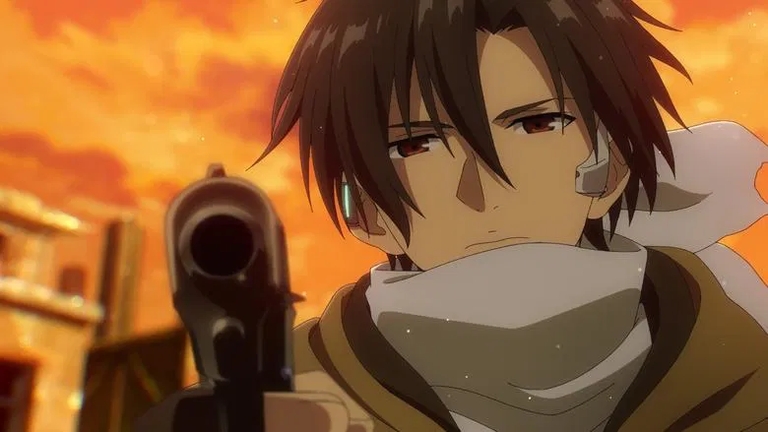
Shinei Nouzen, called Shin or the Undertaker, carries the names of every squad member who's died under his command written on his personal Juggernaut. He's got this weird psychic ability to hear the voices of the dead trapped inside the Legion processors because the enemy machines use human brains as CPUs. So Shin is literally haunted by the ghosts of everyone he's failed to save, plus his own brother who got absorbed by the enemy. His character arc isn't about becoming stronger or unlocking new powers. It's about not losing his mind completely while being forced to kill the animated corpses of people he knew.
The White Savior Problem
Most stories with this setup would let Lena ride in and fix everything through the power of friendship and good intentions. 86 refuses to let her off that easy. The anime directly confronts the white savior trope by having the 86 constantly remind Lena that her sympathy doesn't stop bullets. She can cry about their situation all she wants, she's still benefiting from the system that put them in those cockpits.
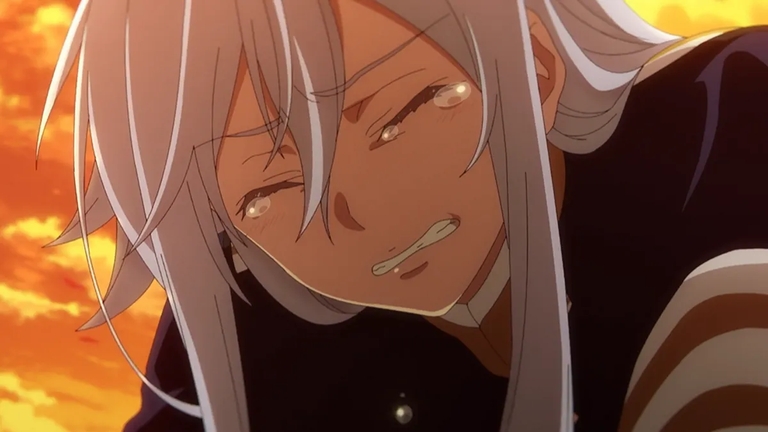
There's this brutal scene where one of the pilots asks her why she's crying. He points out that she gets to feel good about herself for being sad while they actually die. He asks if she knows what they eat, if she knows how cold it gets, if she knows anything about them beyond their names. She doesn't. The show makes it clear that Lena's arc isn't about saving the 86 from the outside. It's about her figuring out how to use her privilege to support them without making it about her own emotional needs. It's messy and uncomfortable and way more honest than most fiction gets about allyship.
The Legion and the Cost of Autonomy
The enemy machines, called the Legion, were built by the Giadian Empire to fight without human soldiers. But the programmers got lazy or cruel and used human brains as the processors for these drones. So the war machines are actually powered by the consciousness of dead soldiers, trapped and forced to keep killing even after their bodies are gone. It's a messed up commentary on how warfare consumes people completely, taking even their deaths and turning them into ammunition.
Shin can hear these trapped voices because of his weird neurological wiring. He's basically forced to listen to the screaming of thousands of dead men while he fights. This isn't a cool anime power that lets him win fights easier. It's a curse that makes him relive every death he's ever witnessed. The show uses this to ask questions about autonomous warfare and what happens when we remove human accountability from killing. The Legion don't get tired, don't surrender, don't remember they were human. They just keep killing until they break down.
Bearing Witness to the End
The first season builds toward this suicide mission where the Spearhead Squadron decides to break through enemy lines and keep going until they can't go anymore. They know it's a death sentence. The Republic designed it that way, they're a disposal unit meant to kill off veteran 86s before they can complete their service and demand citizenship. But the kids decide to take control of their own deaths. They'd rather die free, moving forward, than get shot by their own side for surviving too long.
Lena has to stay behind. That's the worst part. She has to watch them ride off to die while she remains safe in the capitol. They leave her with their names and their memories and the burden of not forgetting them. The show makes it clear that survival isn't just about living through the battle. Sometimes it's about being the one who remembers the dead after the guns go quiet. Lena becomes the archive of their existence because the Republic tried to erase them completely.
Sound and Fury
Hiroyuki Sawano did the score for this series, and it hits exactly as hard as you'd expect. The music doesn't pump you up for fight scenes like it's a sports anime. It wails. It throbs with this desperate energy that sounds like machinery breaking down and hearts giving out. The sound design uses silence just as brutally as the music, with long stretches of quiet before explosions that leave your ears ringing.
The voice acting deserves mention too, especially for Shin. He speaks in this flat, tired monotone that makes him sound like he's already dead. It's not edgy or cool, it's hollow. Like the war scooped out everything inside him and left a shell that knows how to pilot a mech. When he does show emotion, it breaks through like a dam cracking, all the more devastating because you've gotten used to his emptiness.
Why the Pacing Matters
Most light novel adaptations rush through three books per season, burning plot to get to the merchandise-friendly moments. 86 took eleven episodes to adapt one volume. It moves slow, letting you sit in the dread and the quiet moments between battles. This isn't a bug, it's the point. The show wants you to feel the waiting, the boredom, the anxiety of being stationed at the edge of a war that never ends.
The non-linear structure in the first half can be confusing if you're not paying attention, but it serves the story. It shows you the disconnect between Lena's timeline and the squadron's timeline. She's living in a world with calendars and schedules while they're living in an eternal present where tomorrow isn't guaranteed. When the timelines finally sync up, it hits harder because you've been waiting for that connection.
Comparisons That Actually Fit
People always bring up Code Geass or Evangelion when talking about mecha anime, but 86 has more in common with All Quiet on the Western Front. It's interested in the grinding psychological damage of war, not the spectacle. The action scenes are competently animated by A-1 Pictures, sometimes genuinely stunning with the spider-mechs leaping around like actual arachnids, but they're never fun. You don't watch an 86 battle scene and think "that was awesome." You think "that was awful" and mean it in the traditional sense.
The show also shares DNA with Grave of the Fireflies in how it depicts the theft of childhood by military necessity. These kids should be in school. Instead they're gambling with their lives over card games in bombed-out shelters because it's the only way to feel alive between sorties. The anime refuses to let you forget that you're watching children die for old men's propaganda.
The Federacy and False Salvation
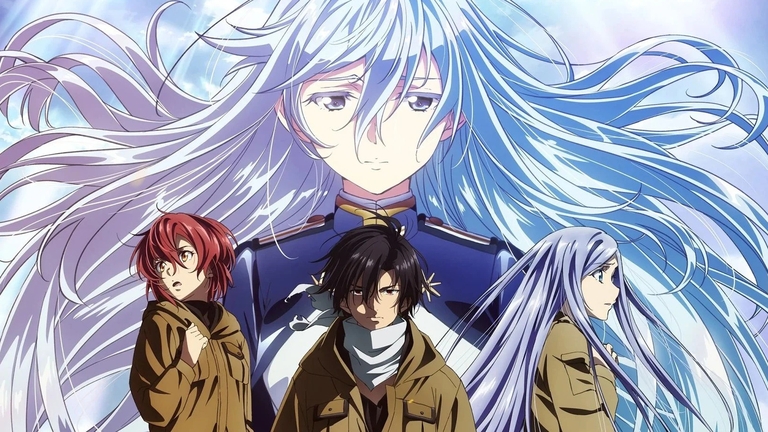
When the story moves to the Federacy of Giad in later episodes, it doesn't become suddenly better. The Federacy rescues the surviving 86 and gives them citizenship, but the kids can't stop fighting. War is all they know. They've been wired for combat since childhood and peace feels like a trap. It's a solid exploration of how you can't just drop a traumatized child soldier into normal society and expect them to function.
The Federacy treats them like heroes, which is almost as dehumanizing as treating them like pigs. It puts them on pedestals and expects them to keep dying for the greater good, just with better PR this time. The 86 who survive have to figure out if they're allowed to exist outside of combat, if they deserve to live when so many of their friends didn't. It's heavy stuff that most sci-fi action shows won't touch.
Fido and the Ghosts We Keep
There's this robot called Fido, a scavenger unit that follows the squadron around. It gets flashback episodes showing how it learned to recognize the squad members, how it developed something like loyalty or affection through repetition and proximity. It's weirdly one of the most human characters in the show, probably because it wasn't taught to hate like the humans were. Fido just knows these kids feed it and talk to it, so Fido protects them.
The mechanical design in general avoids the heroic poses you see in Gundam or Macross. The Juggernauts look like industrial equipment because that's what they are. They're not extensions of the pilots' heroism, they're the tools the Republic uses to extract labor from disposable people. When a Juggernaut gets destroyed, it doesn't explode in a pretty fireball. It crumples and leaks hydraulic fluid like blood and the pilot dies messy.
The Names Matter
The Republic strips the 86 of their names and gives them numbers. Spearhead Squadron takes their names back, and they give each other nicknames that stick. The Undertaker. Werewolf. Laughing Fox. These aren't cool codenames for action figures. They're coping mechanisms, ways to assert identity in a system designed to erase it. When Lena learns their real names and uses them, it's not just polite. It's an act of resistance against the entire machinery of the state.
The show keeps track of who dies. The opening credits update to remove characters as they get killed. It's a weirdly cruel device that forces you to notice the attrition. By the end of the first cour, the opening sequence is half empty. The silence where a character used to stand is louder than any explosion.
86 eighty six anime themes of war and humanity stick with you because they don't offer easy answers. The racism doesn't get fixed by a big speech. The trauma doesn't vanish with a hug. The kids don't all survive to see a better world. But they do get to choose how they die, and who remembers them after. In a story about people stripped of every human right, the act of remembering becomes the final rebellion. The show demands that you look at the cost of war without flinching, and maybe that's why it hits harder than anything else in the genre right now.
You can stream the series on Crunchyroll, and if you want a deeper breakdown of how the adaptation handled the source material, there's a solid analysis over at this anime review site. For more on why this stands apart from other military mecha stories, check out this piece on the franchise's approach.
Frequently Asked Questions
What does 86 mean in the anime?
The 86 are Colorata minorities, basically anyone who isn't silver-haired like the Alba majority. The Republic stripped them of citizenship and human rights, then forced them to pilot mechs in concentration camps called the 86th Sector. They're treated as disposable livestock while the government pretends they're autonomous drones.
Is 86 just another power fantasy mecha show?
Nah, it's the opposite. The Juggernauts are fragile aluminum coffins that break down constantly. The show emphasizes how poorly equipped and vulnerable these kids are. There's no power fantasy here, just survival against impossible odds in machines designed to fail.
Why can Shin hear voices?
Shin can hear the voices of the dead because the Legion uses human brains as processors. It's a curse, not a cool ability. He hears the screaming of everyone who died and got absorbed by the enemy machines, including his own brother. It drives him slowly insane throughout the series.
Who is Lena in 86?
She starts as the Handler for Spearhead Squadron, an Alba officer who actually cares about the 86 as humans. Her arc is about learning that sympathy isn't enough and confronting her own privilege. She becomes the archive of their memories when they ride off on their suicide mission, promising not to forget them.
What books inspired 86 Eighty-Six?
It definitely pulls from All Quiet on the Western Front with its focus on the grinding psychological damage of war rather than heroics. The author also cited The Mist as inspiration for the horror elements. It's less about cool robot fights and more about how war chews up children and spits out ghosts.