
91 Days Is The Most Honest Mafia Revenge Story In Anime
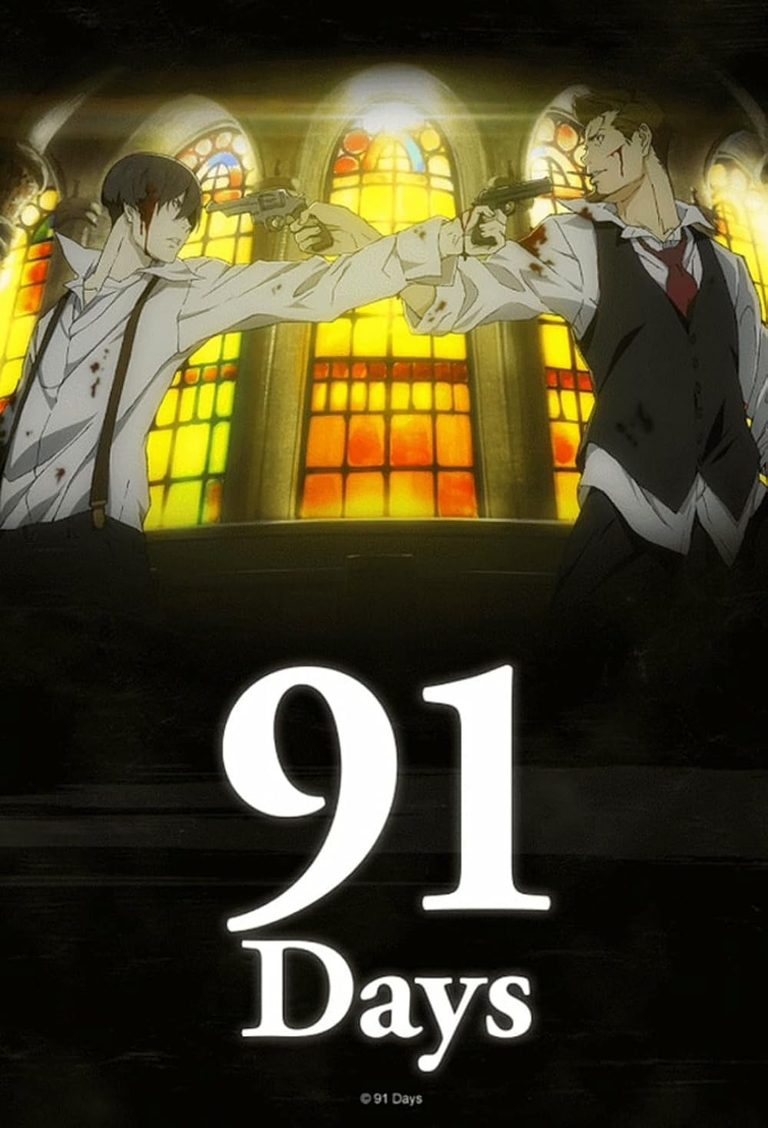
91 Days anime mafia drama and story doesn't waste your time with training montages or power-ups. It opens with a kid watching his father get shot in the head during his birthday party and it only gets darker from there. Angelo Lagusa sees his family murdered by the Vanetti crime family. He escapes through a window while his little brother bleeds out on the floor. Seven years later, a letter shows up with four names written inside. Angelo isn't Angelo anymore. He's Avilio Bruno, and he's come back to Lawless to burn the Vanettis to the ground.
The anime takes place in a town actually called Lawless during the 1930s Prohibition era. The Vanettis control the illegal liquor trade. The Orco family wants their territory. The Galassias watch from Chicago like vultures. Into this mess walks Angelo with a fake identity and a grudge that ate his capacity for joy. He doesn't want justice. He wants them to suffer the way he suffered. The show tracks exactly ninety-one days from the letter's arrival to the final confrontation on the beach, and every single one of them hurts to watch.

The 91 Days Anime Mafia Drama Timeline
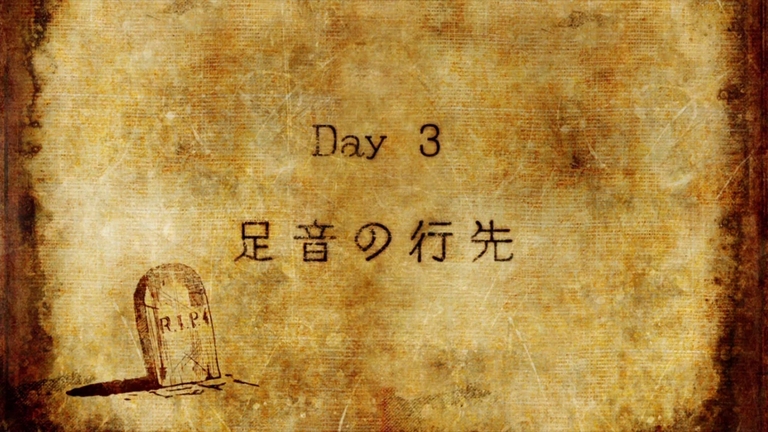
The title isn't a metaphor. The structure counts down from Day 1 to Day 91 with brutal precision. Day 1 shows Angelo receiving the anonymous letter identifying his family's killers. By Day 3 he's already infiltrated the Vanetti inner circle by staging a shootout and saving Nero's life. The pacing never lets up because the clock is always ticking.
Some fans point out that Day 4, featuring a one-off assassin named Goliath, feels slower than the rest. It introduces a bounty hunter who doesn't really impact the main plot, but it serves a purpose. It shows Angelo can pick pockets and think on his feet. It shows Nero can juggle when he's not killing people. These small character details matter later when the pressure ramps up. Every episode moves the pieces closer to the inevitable crash.
The letter itself remains a mystery. Someone sent Angelo the names of the four men who participated in the massacre. Three are Vanettis. Vincent, the Don. Nero, his eldest son. Vanno Clemente, a capo. The fourth name is a man named Testa, who was actually Angelo's father, confirming this was an inside job. Angelo kills Vanno first, then uses the death to get close to Nero. It's cold, calculated, and completely devoid of emotion. He doesn't smile when he pulls the trigger. He doesn't rage. He's already dead inside and the anime makes sure you know it.
Angelo And Nero's Twisted Friendship
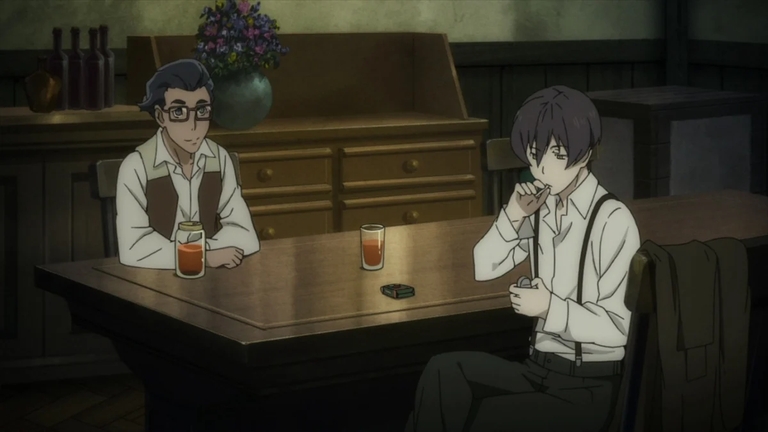
The relationship between Angelo and Nero drives the entire plot. Nero is the heir apparent to the Vanetti family. He's brash, loyal to a fault, and genuinely believes in the idea of family honor. He laughs loud, drinks heavy, and trusts easy. Angelo exploits every single one of these traits. He saves Nero's life multiple times. He drinks with him until they both pass out. He becomes the brother Nero never had, all while planning to murder his father.
But it's all fake. Every laugh is rehearsed. Every moment of loyalty is calculated to put Angelo closer to Don Vincent. The anime makes this painful to watch because Nero is actually likeable. He's not a cartoon villain. He loves his sister Fio. He cares about his subordinates like Barbero and Tigre. He believes Avilio is his best friend. When the truth finally comes out, it breaks something in both of them that can't be fixed.
Barbero, Nero's right-hand man, sees through Angelo immediately. He's suspicious from day one, sniffing around the edges of Angelo's cover story. The tension between them creates this pressure cooker situation where you know Barbero is right but you don't want him to win. Tigre, the muscle of the group, is more trusting and pays for it. These relationships show how Angelo's presence poisons everything he touches.
Then there's Corteo. He's Angelo's childhood friend, the only person in Lawless who knows the truth about his identity. Corteo isn't built for the mafia world. He's soft, scared, and just wants to brew good liquor. Angelo drags him into the mess anyway because he needs an inside man. Corteo's death is the turning point of the entire series. Nero orders Angelo to kill Corteo to prove his loyalty, not knowing Angelo and Corteo grew up together like brothers. Angelo pulls the trigger because he has to, not because he wants to. After that, there's nothing left of the boy who escaped through the window seven years ago.
The Chaos Of Fango And The Orco Family
Every mafia story needs a wildcard, and Fango fills that role perfectly. He works for the Orco family initially, but he's completely unhinged. While the Vanettis pretend to be businessmen in suits, Fango embraces the madness. He's violent for fun, unpredictable, and genuinely enjoys hurting people. He serves as a contrast to the buttoned-up corruption of the Vanettis.
Fango's arc involves him taking over the Orco family through sheer brutality. He feeds Don Orco to his own men. He wears the old man's hat while eating lasagna in front of the corpse. It's disgusting and theatrical and exactly the kind of thing that breaks the formal rules of the game. The anime uses him to show what happens when someone stops pretending to have honor. The other families hate him because he makes them look at what they really are.
The politics between the three families, Vanetti, Orco, and Galassia, feel messy and real. The Galassias are the big dogs from Chicago who want to control Lawless. They arrange a marriage between Fio, Nero's sister, and Ronaldo Galassia to secure peace. Fio knows she's being used as a bargaining chip but goes along with it to protect her brothers. When Angelo manipulates events to ruin the wedding, it starts a war that consumes everyone.
Prohibition Era Details And Catholic Guilt
The 1930s setting isn't just window dressing. Lawless feels like a place that exists in the shadows of American history. The cars are boxy and loud. The suits are heavy wool that gets wet when it rains. The guns are tommy guns and revolvers that kick hard and leave messes. Studio Shuka paid attention to the details of the bootlegging operation. You see the stills bubbling in back rooms. You see the routes through the woods. You see the corrupt cops taking bribes and looking the other way.
The alcohol itself is a character. 'Lawless Heaven' is the name of Corteo's brew. It's smooth enough that the mafia families fight over distribution rights. The show captures that weird period in American history where drinking was illegal but everyone was doing it anyway. The mafia didn't just sell booze. They sold the illusion that the rules didn't apply to anyone with enough money and bullets. The economy of the town runs on this black market, which means when Angelo destroys the families, he also destroys the livelihoods of everyone who worked for them.
There's this running theme of Catholic guilt throughout the show that TV Tropes documented well. The Vanettis cross themselves before they kill people. They attend church while ordering murders. Nero carries a rosary in his pocket even as he guns down rivals. Angelo doesn't bother with God anymore. He knows where he's going and he's already made peace with it.
The anime doesn't preach about religion. It just shows the hypocrisy. These men believe they're protecting their families while destroying other families. Vincent Vanetti murdered Angelo's parents to secure his own power. He did it to protect his bloodline and his territory. The show asks whether that kind of protection is worth the price. The answer seems to be no, given how many Vanettis end up dead by the finale. The sins of the father literally get passed down to the children.
Violence That Hurts
When people get shot in 91 Days, they don't fly backward through windows. They bleed out slowly. They cry. They beg. The violence is brutal and short and never glorified. The theater shootout in the later episodes is chaos. You can't tell who is shooting who. That's the point. Mafia wars aren't clean tactical operations. They're panicked, loud, and stupid.
Angelo's revenge involves a lot of collateral damage. He manipulates the Orcos and Galassias into fighting each other, which gets a lot of innocent foot soldiers killed. He doesn't care. He steps over bodies to get to his targets. By the end, he's responsible for almost as much death as the Vanettis were. The transformation is complete. He's become the monster he set out to destroy.
The animation quality shifts throughout the twelve episodes. Some scenes are gorgeous, with detailed backgrounds that look like Depression-era photographs. Other times, characters go off-model, with faces looking squashed or proportions getting weird. It doesn't ruin the experience because the story is strong enough to carry the visuals, but it's noticeable. The opening theme 'Signal' by TK features whispered vocals over frantic orchestral strings that sound like anxiety feels.
That Ending On The Beach
The final episode takes place on Day 91. Angelo has completed his revenge. Don Vincent is dead. The Vanetti family is destroyed. Nero is the last one standing. They sit in a car together, drive to the ocean, and walk out onto the sand. Nero points his gun at Angelo's head. Angelo doesn't fight back. He tells Nero he didn't kill him earlier because he didn't want to. Not because he couldn't.
The screen cuts to black. You hear a gunshot. Then the credits roll over a peaceful image of the beach.
People have argued about that ending since 2016. Reddit threads are full of theories. Did Nero shoot Angelo? Did he shoot himself? Did he fire into the air and walk away? The ambiguity is the entire point. Angelo is already dead. He completed his mission and found it empty. He tells Nero that revenge is a disease that eats you from the inside. If Nero kills him, it's a mercy. If he doesn't, Angelo has to live with what he became. Both options are hell.
Some fans say the footsteps heard in the post-credits scene prove Angelo survived. Others say it's Nero walking away alone. The Wikipedia entry notes the ending is intentionally left open to interpretation. What matters is that Angelo no longer has a reason to live. He started this journey because revenge gave him purpose. Now that purpose is gone and there's nothing left to fill the hole.
91 Days anime mafia drama and story works because it refuses to flinch. It shows you Angelo at his worst and asks if you still root for him. It shows you Nero's good qualities and reminds you he helped murder a family. There are no clean hands in Lawless. Everyone is guilty. Everyone pays.
The ninety-one day structure keeps the pacing tight. There's no filler. Every conversation is a move in a chess game where both players are cheating. By the time you reach the beach, you're exhausted in the same way Angelo is. The revenge is complete and it means nothing. If you want an anime that treats crime seriously, that understands mafia stories are about tragedy not cool one-liners, watch this. It's not fun. It's not supposed to be. It's just honest.