
Akame Ga Kill Anime Analysis Characters Themes And Broken Morality
Akame ga kill anime analysis usually gets stuck arguing about whether the high body count makes it mature or just desperate for attention. I'm going to cut through that noise right now. The show doesn't care if you get attached to its cast because it's too busy beating you over the head with the message that revolution eats its young and corruption rots everything it touches. That singular focus on theme over individual survival is what makes the series simultaneously compelling and frustrating as hell.
People call it the "Game of Thrones of anime" but that's giving it too much credit for political complexity. The Empire is cartoonishly evil, the rebels are portrayed as saints with bloodstained hands, and the plot moves with the subtlety of a sledgehammer. Yet there's something honest about how it treats Tatsumi's journey from naive village kid to martyr. The story isn't about him winning. It's about him learning that fighting monsters requires becoming one, and then dying anyway because that's what happens when you challenge a system built on centuries of oppression.
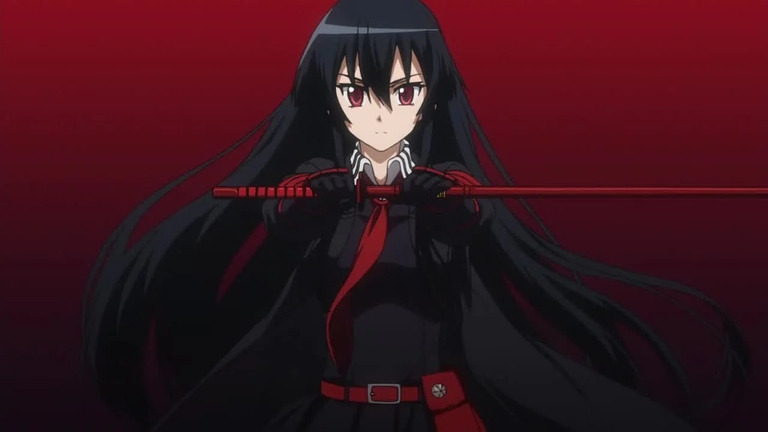
Tatsumi Is Not The Hero You Think He Is
Let's get this straight. Tatsumi isn't the protagonist in the traditional sense. He's the viewpoint character, sure, but he exists to service the show's thematic obsession with sacrifice. You can see the writers treating him like a delivery mechanism for the message that good intentions don't stop bullets. His evolution from bright-eyed kid who thinks he can join the army and fix poverty to hardened assassin who knows he's going to die happens fast. Too fast for some viewers, but that's the point. The Empire doesn't give you time to grow up gently.
His relationships with Night Raid members like Bulat serve as shortcuts to emotional investment. Bulat teaches him how to fight and how to accept that they're murderers for a cause, not heroes. Then Bulat dies. Tatsumi loses his mentor, gains a Teigu that will eventually kill him, and keeps moving forward because stopping means admitting the deaths were pointless. Some Reddit users pointed out that Tatsumi's death exemplifies his role as a character whose purpose was to fulfill a narrative function, highlighting the story's emphasis on overarching themes rather than character survival. He doesn't get the girl. He doesn't survive to see the new world. He gets incinerated protecting strangers and becomes a footnote in the history books.
Akame's Silence And The Weapon That Learned To Feel
The show is named after Akame but she spends most of it standing in the background looking intense. That's not bad writing, it's characterization through absence. She was sold by her parents as a child, survived a death forest where ninety-eight other kids died, and was trained to view human life as target practice. Her reserved nature isn't just a cool personality trait for marketing. It's trauma response frozen into permanent posture.
She speaks in short sentences. She eats massive amounts of meat because her training starved her. She shows affection through action rather than words, which makes her bond with Tatsumi feel genuine in a way the forced romance with Mine never quite manages. The only time she really opens up is when she's dealing with Kurome, her sister who stayed with the Empire. Their relationship is the only one that carries real weight because it predates the plot. It isn't manufactured in the writer's room to make us cry when someone dies.
Her Teigu, Murasame, is a perfect extension of her character. One cut means death. No drawn-out battles, no second chances, no mercy. The wikis classify her as reserved and emotionally distant due to her brutal training under the Empire, but they miss that she's also deeply compassionate toward her comrades in Night Raid. She just doesn't know how to express it without a sword in her hand. When she activates Murasame's Trump Card in the final battle, gaining red scars across her body and enhanced speed at the cost of her own life force, it isn't a power-up moment. It's the logical conclusion of a life spent trading pieces of herself for the mission.
Esdeath And The Philosophy Of The Strong
General Esdeath is the only character in this show who feels like she walked in from a better anime. She's not just evil for the sake of it. She operates on a coherent, terrifying philosophy that she absorbed from her father in the frozen north. The strong survive. The weak die. If you can be killed, you deserved it because you were weak. This isn't posturing. It's her entire worldview, shaped by watching her tribe get wiped out and accepting it as natural order rather than tragedy.
Anime Rants did a solid breakdown of how she fits the clinical definition of a sociopath. She lacks empathy completely. She can mimic emotions well enough to lead armies and charm subordinates, but she doesn't feel them. When she tortures prisoners or massacres villages, she isn't angry or happy about it. She's efficient. The fact that she finds amusement in suffering is just a bonus for her, like seasoning on meat.
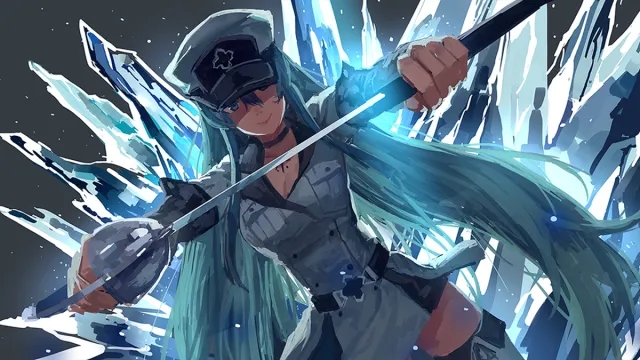
Her obsession with Tatsumi is the closest thing she has to humanity, and even that is possessive rather than loving. She wants to own him, break him, remake him into her ideal partner. When she freezes time and space to hold his dying body in the anime's final moments, it isn't redemption. It's a predator losing her favorite toy. The manga handles this differently, showing her death as the end of a monster who never understood why her victim wouldn't smile for her. The anime softens this, giving her a more romanticized farewell that contradicts everything we know about her character. Reddit discussions confirm this changes your entire view on her, making the anime version seem capable of genuine attachment while the manga version remains an unrepentant predator.
When Death Becomes A Punchline
The show's biggest flaw is how it handles mortality. Characters get three episodes of development, a tragic backstory revealed in flashback during their final fight, and then they're dead. Chelsea gets decapitated and her head stuck on a pike. Lubbock dies in agony. Sheele gets cut in half. These moments should devastate the viewer, but they often land with the emotional impact of a checklist being marked complete.
A Piece of Anime noted that the series attempts mature storytelling but feels contrived, with Night Raid members acknowledging they're murderers early on but the show never truly exploring that guilt. Instead, it cuts from gory death scenes to hot springs episodes or comedy hijinks with such speed that you get tonal whiplash. One minute you're watching a child get tortured, the next you're watching Akame eat too much meat in a chibi art style. This inconsistency doesn't just hurt the comedy. It robs the deaths of their dignity.
The problem isn't that characters die. It's that they die according to a predictable formula. If someone starts talking about their childhood trauma or shows you a picture of their sweetheart back home, they're dead before the episode ends. This creates detachment. You stop caring about new characters because you know they're temporary. The show tries to subvert shonen tropes where everyone survives, but it replaces them with horror movie tropes where everyone dies, which is equally boring.
The Teigu System And Broken Rules
The Imperial Arms, or Teigu, are supposed to be rare weapons forged from super materials and Danger Beast parts. The lore says that when two Teigu users fight, one must die. Except that's a lie the show tells in episode three and breaks immediately. Tatsumi fights Wave. Both live. Tatsumi fights the Emperor. Both live long enough for a chat. The rules are whatever the plot needs them to be in that specific moment.
This lack of consistency kills tension. If the weapons have no clear limits, you can't strategize with them. Akame's Murasame kills with one cut unless the opponent is a robot or has pre-cog abilities or is just really strong that day. Tatsumi's Incursio evolves because the plot demands he survive one more fight. The power levels scale based on emotional intensity rather than established mechanics, which works for Dragon Ball but clashes with the show's attempts at gritty realism.
Black White And Blood Red Morality
For a show about political revolution, Akame ga Kill has surprisingly little to say about politics. Prime Minister Honest isn't a complex villain representing systemic corruption. He's a fat caricature who eats chicken and twirls his mustache while ordering child murder. The Emperor is a puppet with no agency. The nobility are either secretly good (like that one girl Tatsumi meets in the manga) or openly monstrous rapists who hunt peasants for sport.
Night Raid isn't much better in terms of complexity. They're assassins who kill for the greater good, but the show never lets them make a truly hard choice. Every target they assassinate is personally shown doing something horrific first, so the audience doesn't have to grapple with moral ambiguity. Wave and Run in the Jaegers try to add some gray area, soldiers who think they're protecting order, but they never question why their side is using child soldiers or torture. The morality is painted in primary colors when it should be murky brown.
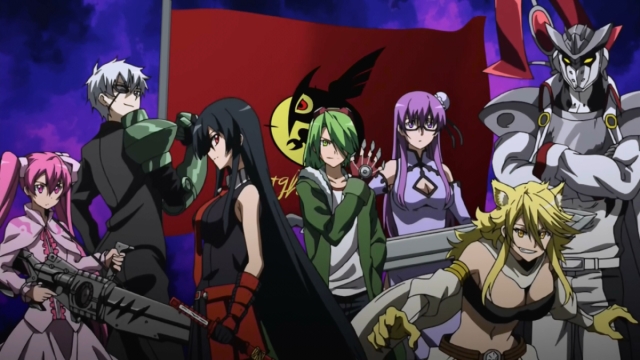
Why The Ending Divides Fans
The anime ran out of manga material and created its own conclusion, killing off Tatsumi, Mine, and Esdeath in ways that differ significantly from the source material. Tatsumi dies stopping a giant mecha instead of surviving to marry Mine. Esdeath dies embracing his corpse and freezing herself rather than dying alone cursing her weakness. These changes matter because they alter the thematic statement.
The manga says survival is possible if you're strong enough and lucky enough. The anime says everyone dies for the revolution except Akame, who gets to live as a cursed wanderer. Neither ending is particularly satisfying, but the anime's "kill them all" approach feels cheap, like the writers confused tragedy with substance. Death isn't automatically meaningful just because it makes the audience sad. Sometimes it's just empty.
Akame ga kill anime analysis comes down to this. It's a show with great visual style, a banger soundtrack, and one genuinely fascinating villain in Esdeath. It wants to say something profound about the cost of fighting evil, but it keeps undercutting itself with inconsistent tone, broken power systems, and a body count that numbs rather than moves. It prioritizes its message over its cast, which makes it thematically coherent but emotionally hollow. You'll remember the ice queen and the girl with the black sword, but you'll struggle to remember why any of it mattered beyond the fact that it looked cool and hurt to watch.
Frequently Asked Questions
Why does everyone die in Akame ga Kill?
The show uses mass death to hammer home its theme that revolution requires sacrifice and corruption destroys everything. Characters die not because they've completed their arcs, but because the story wants to prove that fighting the Empire costs everything. It's thematic prioritization over character survival, which makes the deaths feel like message delivery rather than earned tragedy.
Is Esdeath really a sociopath?
Yeah, she checks most boxes for sociopathic behavior. She lacks empathy, views torture as efficient rather than cruel, and follows a survival of the fittest philosophy that justifies any atrocity. Her love for Tatsumi isn't redemptive. It's possessive and self-serving, which fits with how sociopaths can experience attraction without genuine emotional connection.
What's the difference between the anime and manga endings?
The manga lets Tatsumi and Mine survive and marry, while the anime kills Tatsumi off during the final battle with the Emperor. Esdeath also dies differently. In the manga she dies cursing her weakness alone, while the anime shows her freezing herself while embracing Tatsumi's corpse, which softens her into a more tragic romantic figure rather than the unrepentant monster she was.
Why is Akame the titular character if Tatsumi is the protagonist?
She's the thematic core and the survivor who has to live with the consequences, while Tatsumi is the viewpoint character who dies for the revolution. The story uses Tatsumi to show the cost of rebellion through his death, while Akame represents the weapon that outlives the war. She's the weapon that learned to feel, and the show is named after her because she carries the burden of memory.
Do the Teigu have consistent power levels?
Not really. The show establishes early that Teigu battles result in one user's death, but then has Tatsumi and Wave fight multiple times with both surviving. Murasame's instant-kill poison works unless the plot needs it not to, like against robotic enemies or characters with healing factors. The power levels scale based on emotional intensity rather than consistent rules, which breaks the tension.