
Alderamin on the Sky Anime Plot and Strategy
People keep arguing about whether Alderamin on the Sky anime plot and strategy holds up or falls flat and honestly both sides have a point. You've got this lazy genius protagonist who hates war but keeps winning battles through sheer logic while everyone else charges around waving swords like it's the medieval era even though they've got air rifles. The show throws Ikta Solork into this mess of an empire that's rotting from the inside out and expects him to fix everything with math and insults. Some viewers call it a masterpiece of military logistics. Others say the tactics are vague hand-waving dressed up as genius. The truth sits somewhere in the middle where the show cares more about showing how bureaucracy kills soldiers faster than bullets do, which isn't something you see in most war anime that just want explosions.
The whole thing starts with this ridiculous exam scenario that dumps the cast into enemy territory before they even get their commissions. Ikta and his childhood friend Yatori are heading to take the High Grade Military Officer Exam because she has to and he's been dragged along by circumstances, then their ship sinks during a storm and they end up stranded behind Kioka Republic lines with a princess who fell overboard. This setup forces Ikta to actually use his brain for something other than napping and flirting because now he's got to get this group of cadets and royalty back home without getting captured or killed by enemy patrols. It's a classic bottle episode premise that turns into the foundation for the entire series because saving Princess Chamille means Ikta gets promoted despite wanting nothing to do with the military, trapping him in the very system he despises.
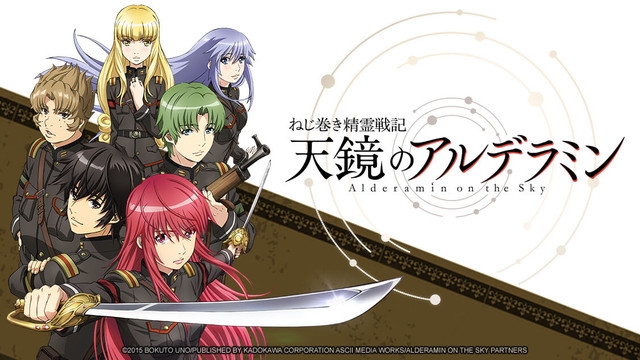
Ikta's whole deal is that he's lazy but not stupid, which sounds like every other anime protagonist until you realize he takes it to an extreme where his laziness drives innovation. He figures out ways to win battles with minimal effort because putting in more work than necessary offends him on a spiritual level. There's this quote he throws around about laziness being the mother of human progress and while it sounds like an excuse to sleep all day it actually informs every tactic he uses. He looks at problems through a scientific lens in a world where most commanders rely on honor and religious tradition, which makes him look like a wizard to his superiors and a heretic to the church. The guy applies basic physics and supply chain management to warfare in a setting where they've got air rifles powered by elemental spirits but haven't figured out that charging uphill into entrenched positions is suicidal.
The Katjvarna Empire itself is the real villain here more than the Kioka Republic ever could be. The empire is falling apart at the seams with corrupt nobles buying their ranks and incompetent generals sending troops to die because they care more about looking brave than being smart. You've got commanders who will order suicide charges just to avoid looking cowardly, burning through soldiers like they're disposable because the aristocracy doesn't value commoner lives. Ikta keeps running into these situations where his biggest obstacle isn't the enemy army but his own side's stupidity, having to navigate political landmines while trying to keep his friends alive. The show gets brutal with this stuff, showing how soldiers die from starvation and altitude sickness because some noble forgot to pack supplies, or how entire battalions get wiped out following stupid orders that violate basic common sense.

The technology in this world is weird and inconsistent in a way that somehow works for the story. They've got firearms but no gunpowder because they use air spirits to compress and fire the bullets, which creates this odd hybrid of Napoleonic warfare and fantasy magic. Ikta understands the mechanics better than most because he studied under a scientist who defected to the enemy, giving him knowledge that's borderline illegal in an empire that treats science as heresy. The rifles have limited shots before needing to reload, the spirits have to recharge, and the logistics of keeping an army supplied with compressed air canisters actually matter to the plot. It's not just cosmetic fantasy stuff pasted over a war story, the mechanics of how the guns work influence the tactics in ways that make sense even when they're ridiculous.
Yatorishino Igsem is the other half of this equation and she's carrying the combat weight while Ikta does the thinking. She's from this ancient military family that produces perfect soldiers who live for the sword, trained from childhood to be a one-woman army that can cut through entire squads without breaking a sweat. Her relationship with Ikta is this weird platonic life partnership where they trust each other completely despite having opposite philosophies about war, symbolized by that thing where they eat meals sitting back to back so they can cover all angles while resting. She's the only person who can keep Ikta in line when he gets too reckless with his mouth or his plans, acting as both his bodyguard and his enforcer when he needs someone to actually execute the violent parts of his strategies.

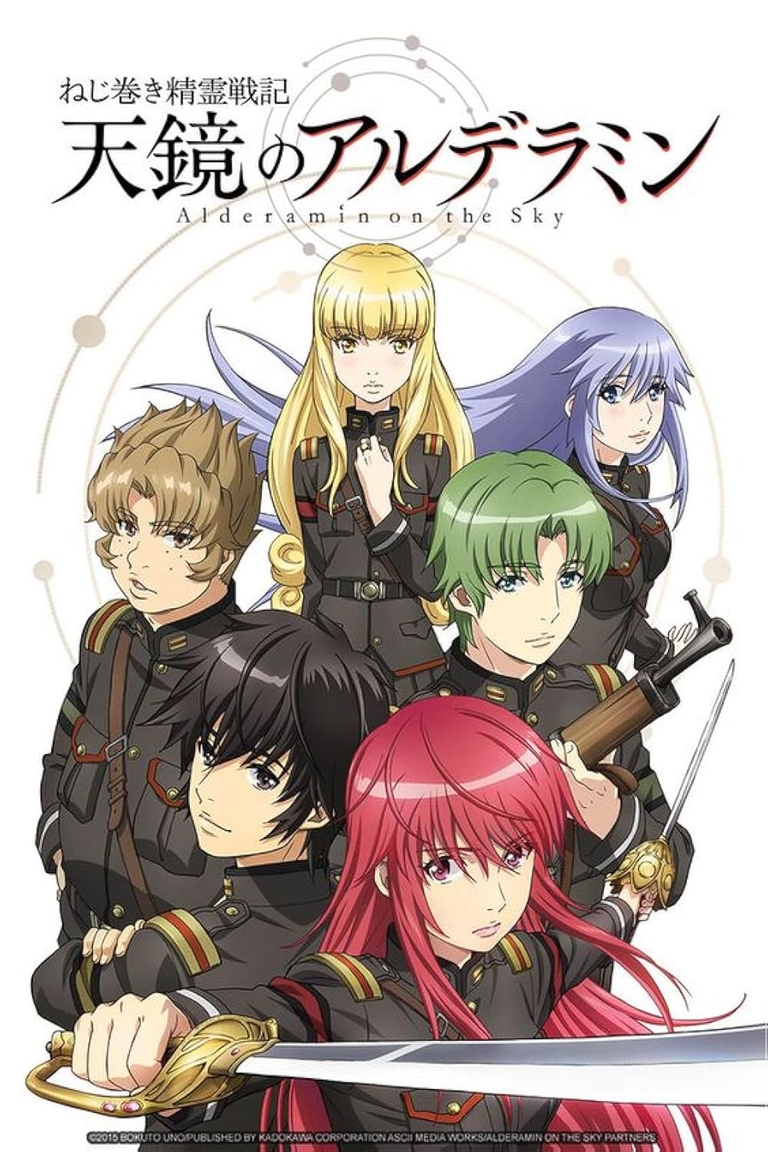
The supporting cast gets more development than you'd expect from a thirteen-episode military show. Torway Remeon starts off as this anxious noble kid who's an incredible marksman but lacks confidence, and over the course of the series he evolves into creating the first actual sniper unit in the imperial army because Ikta realizes they need specialists rather than just line infantry. Then there's Matthew Tetdrich who comes from a lesser noble house and has this massive chip on his shoulder about proving himself, constantly struggling to keep up with the geniuses around him but finding his niche in leadership and morale. Haroma Bekker is the tall shy medic who patches everyone up and serves as the heart of the group, keeping them human when the war starts grinding them down. These aren't just cardboard cutouts standing behind the protagonist, they grow and change as they survive battles together.
The battles themselves focus heavily on the logistics and preparation that most anime skip over entirely. There's an entire arc about mountain warfare where the biggest threat isn't the enemy army but the altitude and the weather, with Ikta having to calculate supply lines and evacuation routes while dealing with soldiers getting altitude sickness. He pulls off these Batman Gambits where he sets up traps days in advance or manipulates enemy commanders into overextending their supplies, winning through attrition and positioning rather than heroic last stands. It's messy and sometimes the show doesn't fully explain his plans until after they work, which annoys some viewers who want to see the strategy unfold in real time, but it fits his character as someone who thinks five moves ahead while everyone else is playing checkers.
The political side of Alderamin on the Sky gets complicated fast because the empire is basically a failed state propped up by tradition. You've got the church suppressing scientific advancement, nobles sabotaging each other for prestige, and the imperial family playing games with succession while the actual war effort falls apart. Ikta keeps getting promoted not because the empire values his talent but because they keep running out of officers and he's the only one keeping them from total collapse. Princess Chamille becomes a political chess piece that Ikta has to protect while also using her authority to bypass the worst of the bureaucracy, creating this tense dynamic where he's technically committing treason by going against direct orders even when those orders are suicidal.
The Republic of Kioka comes across as the more reasonable faction in this conflict, which is a weird choice for a war story. Their soldiers are professional, their commanders aren't actively trying to get their own men killed for glory, and they actually respect Ikta as a worthy opponent rather than just calling him a coward for using his brain. The show doesn't shy away from the fact that the empire Ikta is fighting for is objectively worse than the enemy, which creates this moral tension where he's defending a corrupt system because it's his home, not because it's right. Some viewers find this refreshing compared to the usual "our side is good their side is evil" setup, while others find it depressing that there's no clear moral victory to be had.
The gender integration in the military is worth noting because it's present but not commented on much, which is how you know it's written by someone who actually thought about worldbuilding rather than just checking diversity boxes. Women serve alongside men in all roles from infantry to command to medical corps, and nobody makes a big deal about Yatori being a female soldier because in this world the Igsem family produces killers regardless of gender. Haroma is tall and strong and nobody questions her place in the unit. It creates this alternate history vibe where the military structure evolved differently and integrated earlier, which fits with the weird tech level and the sprite magic system.
The biggest problem with Alderamin on the Sky is that it ends on a cliffhanger after thirteen episodes right when the story is gearing up for the really complicated political thriller stuff. The anime covers roughly the first five light novels and stops just as Ikta and Yatori's relationship is about to be tested by their conflicting ideologies, with hints that they might end up on opposite sides of a civil war or succession crisis. The light novels continue the story and apparently get even darker with major character deaths and Ikta committing war crimes out of necessity, but the anime never got a second season so viewers are left hanging. It's frustrating because the first season builds all this momentum and then just stops, leaving you with an incomplete story that requires reading the source material to finish.
Some fans will tell you the strategy in this show is shallow and they're not entirely wrong because the anime sometimes glosses over the details of Ikta's plans in favor of showing the results. The source material apparently goes deeper into the tactical minutiae but the adaptation cuts corners for time, making some victories look like ass-pulls where he wins because the plot says he's smart. That said, when it does focus on the logistics and the bureaucratic nightmares of running an army, it hits harder than almost any other anime in the genre. The scene where Ikta has to sacrifice his own finger to prove a point about discipline, or the episodes dealing with supply chain failures, show a understanding of military history that you don't see in shows that just want to animate cool sword fights.
The animation by Madhouse holds up pretty well for a 2016 series, with solid action choreography for Yatori's fight scenes and a color palette that's brighter than you'd expect for a war story. The character designs are distinctive enough that you can tell the cast apart even in military uniforms, and the backgrounds for the mountain warfare arc actually look cold and miserable in a way that sells the survival aspect. There are some wonky CGI moments with the airship sprites that look cheap, but the hand-to-hand combat and rifle battles are animated with care. The music knows when to shut up and let the tactical silence work, which is rare for anime that usually drown every scene in orchestral swells.
Alderamin on the Sky sits in this weird niche where it's too slow and talky for action fans who want constant battles, but too vague on the strategy details for the hardcore military otakus who want to see the math behind every maneuver. It works best as a character study about a guy who hates war but is really good at it, surrounded by a system that rewards stupidity and punishes competence. If you can handle the incomplete ending and the occasionally frustrating protagonist who never gets the peaceful librarian life he wants, there's something special here about the realities of military service in a broken empire. Just don't go in expecting Code Geass with mecha or Attack on Titan with monsters, because this is closer to a procedural drama about paperwork and supply lines that occasionally has people shooting each other.
The show leaves you with this lingering frustration about what could have been if it had gotten that second season to explore the political thriller aspects and the breakdown of Ikta and Yatori's relationship. As it stands, it's a solid thirteen-episode introduction to a much larger story that you'll have to read the light novels to finish, which isn't ideal but doesn't erase the good stuff that's there. For viewers who want a war story that cares more about logistics than heroics, or who just want to see a protagonist win by being smarter rather than stronger, Alderamin on the Sky anime plot and strategy offers something different even if it doesn't fully deliver on all its promises. It's a messy, incomplete gem that deserved better than the single season it got, but what's there is worth watching if you know what you're getting into.
Frequently Asked Questions
What makes Ikta Solork different from other anime protagonists?
He's a lazy, womanizing genius who wants to be a librarian but gets forced into the military. He wins battles using scientific methods and logistics rather than traditional honor-based tactics, often complaining the whole time.
Does Alderamin on the Sky have a complete ending?
The anime adapts roughly the first five light novels and ends on a major cliffhanger. It stops right before the political thriller elements really kick in, so you'll need to read the light novels to see how the story actually ends.
How do the firearms work in Alderamin on the Sky?
They use air rifles powered by elemental spirits instead of gunpowder. The show actually pays attention to the logistics of this, like how many shots a sprite can fire before needing to recharge and how heavy the air canisters are to transport.
Who are the good guys in the war?
It's complicated. The Katjvarna Empire is portrayed as corrupt, anti-science, and incompetent, while the Kioka Republic is more professional and reasonable. Ikta fights for the empire because it's his home, not because it's morally superior.
Is the military strategy realistic?
It's hit or miss. Some battles show detailed logistics and preparation, while others gloss over the specifics of Ikta's plans. The show cares more about military bureaucracy and supply lines than most war anime, but cuts some tactical details from the source material.