Alderamin on the Sky Anime Review and Why Thirteen Episodes Was Never Enough
Alderamin on the Sky anime review discussions always start with the same warning. Someone asks if it is worth watching and immediately gets hit with complaints about the ending. Yeah it stops. It stops hard right when things get interesting. But that does not change the fact that Madhouse produced one of the smartest military anime of the past decade and then left us all hanging because the Blu-rays did not sell enough in Japan and the light novels kept going without them.
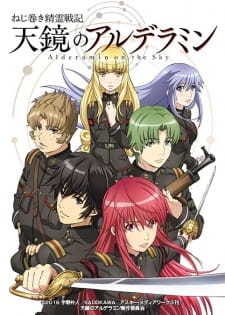
Ikta Solork is the protagonist we needed but probably did not deserve. He is lazy. He hates war. He wants to be a librarian and sleep all day surrounded by books. But he is stuck in this garbage empire where corruption runs the military and honor gets you killed faster than enemy bullets. So he uses science and logistics to win battles while everyone else is waving swords around and yelling about glory. It is messy. It is frustrating. And it is probably the most realistic depiction of how stupid military bureaucracy actually works in anime form even if the show only got halfway through its story.
The Lazy Genius Who Hates War
Most military anime give you protagonists who charge screaming into battle with a burning heart and a giant sword. Ikta Solork is not that guy. He is a womanizer who flirts with every girl he meets including the princess he is supposed to protect. He sleeps through lectures. He complains about physical training. And he would rather read science books than fire a rifle. This makes him annoying to some viewers who wanted a traditional hero. But his whole deal is that war is stupid and he is only participating because the system forced his hand.
His philosophy is simple. Laziness is the mother of human progress. If you prepare properly you save effort later. He applies this to everything from camping to battlefield strategy. While other officers are planning glorious charges straight into machine gun fire Ikta is calculating supply lines and weather patterns. He knows that armies march on their stomachs not their honor. This creates a weird tension where you are watching a guy who does not want to be there outsmarting people who love war so much they are blind to basic physics.
The show makes it clear that Ikta's intelligence comes from his weird childhood. His father was this legendary warrior but Ikta spent more time with his father's scientist friend Anarai Khan. This guy taught him to think rationally in a world that runs on tradition and religion. Then Anarai defected to the enemy Kioka Republic which adds this whole layer of complexity to Ikta's loyalties. He respects the guy who taught him everything but that guy is now fighting for the other side.
Why the Tactics Actually Matter
A lot of anime claim to be about strategy but then the solution is always just believe in yourself harder or unlock a new power level. Alderamin on the Sky anime review comments often point out that this show does not do that. The battles look like something from the early 19th century with bolt action rifles and cannons but there are also air rifles that work on compressed air and magic sprites. The technology is weird and anachronistic but the tactics are grounded.
Ikta wins by using terrain. He wins by cutting enemy supply lines. He wins by realizing that altitude sickness will kill more troops than bullets if you march too fast through mountains. One of his best moments involves him realizing that the enemy commander is a traditionalist who will never expect an attack from an impossible direction because it would violate military doctrine. He exploits the rigidity of military thinking to beat people who have more troops and better equipment.
The show spends time on logistics in a way that most military fiction ignores. You see soldiers complaining about food. You see officers dealing with quartermasters who are stealing supplies. You see the political fallout when a local commander decides to incite a rebellion among occupied civilians. It is messy political stuff that makes the war feel real instead of like a game. Some viewers found this boring. They wanted more explosions and less paperwork. But if you are the kind of person who enjoys watching someone outsmart the enemy using math then this is your show.
Yatori and the Buddy Cop Dynamic
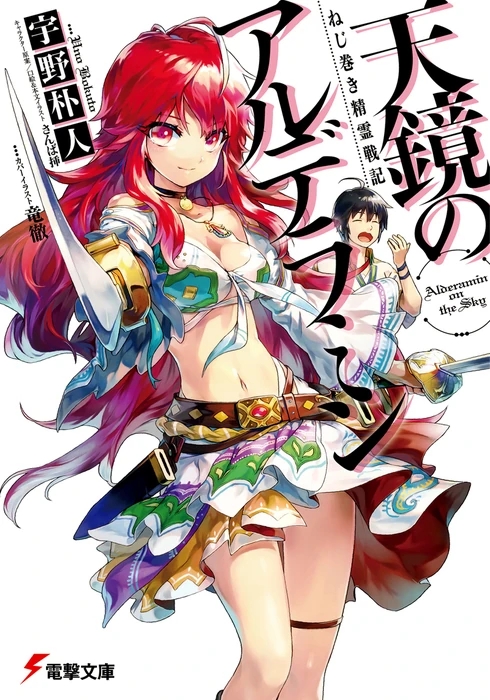
Yatorishino Igsem is Ikta's childhood friend and she is basically the opposite of him in every way. She comes from a noble family that serves the imperial house with absolute loyalty. She is a close combat specialist who fights with dual blades and she believes in honor and tradition. Where Ikta is lazy she is disciplined. Where he questions orders she follows them. But they have this bond that goes back to when they were kids surviving some traumatic event together.
Their relationship is the heart of the show. They eat meals sitting back to back so they can watch each other's blind spots. This ritual started in childhood and continues into their military service. It is this perfect visual representation of how they complement each other. Ikta is the brain and Yatori is the sword. He cannot fight his way out of a paper bag and she cannot strategize her way through a simple board game. Together they are unstoppable.
The flashbacks to their childhood explain why they trust each other so completely. They were trapped in some dangerous situation and had to rely on each other to survive. This created a bond that transcends the usual romantic tension you see in anime. They might love each other but the show never makes it explicit. Instead it focuses on this deep friendship and mutual respect. She acts as his right hand both literally and figuratively and he trusts her to protect him while he calculates odds and plans maneuvers.
The Empire is Rotten
One thing that makes Alderamin on the Sky stand out is that it does not pretend the Katjvarna Empire is the good guys. The empire is corrupt from top to bottom. Nobles buy their commissions. Generals care more about politics than winning wars. The government exploits conquered territories until the locals rise up in rebellion. Ikta has to navigate this mess while trying to keep his friends alive.
The show presents military life as a bureaucratic nightmare. Ikta gets promoted because he saves the princess but then he has to deal with jealous superiors who want him dead because he makes them look bad. He has to exploit loopholes in regulations to get supplies to his troops. He has to play politics with people who think winning battles is less important than maintaining their family honor. It is exhausting just watching him deal with it.
There is this running theme about the difference between following orders and doing what is right. Yatori struggles with this because her family loyalty demands she follow the chain of command. But Ikta keeps showing her that blind obedience gets people killed. The empire they serve is decaying and everyone knows it. The Kioka Republic is not portrayed as evil monsters either. They have their own valid reasons for fighting and some of their commanders are honorable people. The moral complexity makes the war feel authentic rather than cartoonish.
The Supporting Cast Gets Real Development
Beyond Ikta and Yatori the show gives attention to the other members of their unit. Torway Remeon is this amazing marksman from a rival noble family to the Igsems. He starts off as this insecure guy who cannot handle the pressure of combat but eventually develops into the first real sniper in this world's military history. He creates a specialized unit of sharpshooters who change how battles are fought. His growth from self-doubting noble to confident tactical asset is satisfying to watch.
Then there is Matthew Tetdrich who comes from a lesser noble family. He is constantly trying to prove himself because he does not have the prestige of the Igsems or Remeons. He is not naturally talented like Torway or a genius like Ikta. He is just a guy working hard and complaining the whole time. But he finds his role as the dependable soldier who holds the line when things get rough. His character arc is about accepting that not everyone can be the hero but everyone is necessary.
Haro is the medic and she is this tall shy girl who Ikta keeps flirting with. She starts off naive and overwhelmed by the reality of war. But she grows into a competent military doctor who keeps everyone alive through sheer determination. The show lets these characters fail and learn. They are not static archetypes even if they look like standard anime tropes at first glance. By the end of the thirteen episodes you actually care whether they live or die.
Thirteen Episodes Was a Cruel Joke
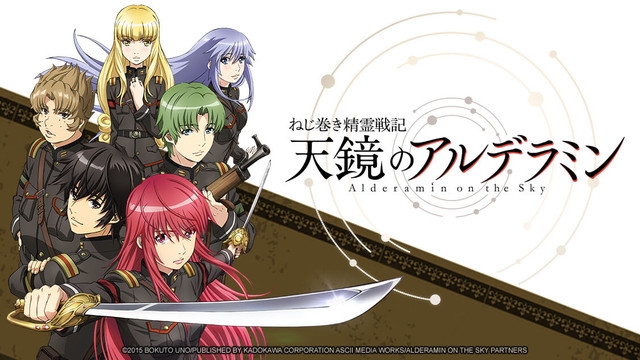
Here is where we have to talk about the elephant in the room. The anime adapts roughly the first four or five light novels and then just stops. It ends on a massive cliffhanger that sets up a huge conflict between Ikta and Yatori based on their differing philosophies about duty versus morality. The final scene hints at a political thriller where they might end up on opposite sides of a civil war. And then the credits roll and you realize that was it. No season two. No resolution.
This frustrates people and rightfully so. The pacing in the second half feels rushed because they were trying to cram too much content into too few episodes. Important political developments get glossed over. Characters from the light novels who should have major roles get reduced to cameos. The anime functions more like a commercial for the books than a complete story. Some fans will tell you to just read the light novels instead. But that is not fair to people who do not read Japanese or who prefer the visual medium.
The show covers the training arc and the first major campaign. It ends with Ikta becoming a high ranking officer and establishing his reputation as a strategic genius. But the best parts of the story according to light novel readers happen after the anime ends. Volume seven apparently has some controversial plot twists that divided the fanbase in Japan. We never got to see that animated. It is a tragedy because the anime was building toward something amazing and then Madhouse just walked away.
The Animation and Sound Are Solid
People like to complain about CGI in anime and Alderamin does use it for some of the big battle scenes with lots of soldiers. It is not perfect. Sometimes the CGI stands out in a bad way. But the character designs are great and the animation during the tactical discussions keeps things visually interesting even when it is just people talking in a tent. The studio knew how to frame a conversation to make strategy sessions feel tense.
The sound design deserves special mention. The rifles sound like actual firearms not laser guns. The cannons have weight to them. The soundtrack uses orchestral music that fits the military setting without being overbearing. The voice acting in both Japanese and English captures Ikta's lazy drawl and Yatori's stern discipline perfectly. Funimation did a good job matching the energy of the original performances.
The blood and gore are not gratuitous but they are present. This is a war story and people lose limbs and die in messy ways. The show does not glamorize the violence. It shows war as dirty and painful which reinforces Ikta's whole point about why he hates fighting. The animation quality stays consistent throughout the run which is more than you can say for some thirteen episode series that run out of money by episode ten.
Comparisons to Legend of Galactic Heroes
If you have seen Legend of the Galactic Heroes you will notice similarities immediately. Ikta is basically Yang Wenli if Yang was younger and lazier. Both are tactical geniuses who hate war and would rather read books than fight. Both are forced to climb the military ranks to protect their friends and both serve corrupt empires that do not deserve their loyalty. The comparison is so strong that fans of LOGH usually love Alderamin on the Sky.
But Alderamin is more compact and accessible. You do not need to watch a hundred episodes to get the story. The downside is you do not get a complete story either. LOGH had the luxury of adapting the entire novel series. Alderamin got cut off at the knees. Still if you want that specific flavor of military science fiction where battles are won by logistics and intelligence rather than superpowers this is the closest thing anime has produced recently.
Why You Should Watch It Anyway
Look I am not going to lie to you. Watching Alderamin on the Sky is going to frustrate you. You are going to get invested in these characters and their conflicts and then you are going to hit that ending and scream. But the journey to get there is worth it. Thirteen episodes of brilliant strategic warfare and character development is better than zero episodes. The show does something unique in the anime space by treating war as a logistical and political problem rather than a heroic adventure.
Ikta Solork is one of the most interesting protagonists in modern anime. He is flawed and selfish and brilliant. Watching him outsmart corrupt generals and entitled nobles never gets old. The relationship between him and Yatori is beautifully written and avoids the usual romantic comedy tropes. The supporting cast grows on you until you are cheering for every minor victory they achieve.
Is it a complete story? No. Will you be sad when it ends? Yes. But is it a waste of time? Absolutely not. Sometimes you have to appreciate the good stuff even if it is incomplete. The light novels exist if you need closure but the anime stands on its own as a solid piece of military fiction. Just go in knowing you are signing up for pain and enjoy the ride anyway.
The show handles themes of imperialism and corruption with more subtlety than you would expect from a thirteen episode adaptation. It asks questions about duty and morality without giving easy answers. Yatori's struggle between her loyalty to the empire and her loyalty to Ikta creates genuine tension. You understand why she follows orders even when those orders are stupid. You understand why Ikta breaks rules even when it puts him in danger. Neither of them is entirely right and that is what makes their conflict interesting.
If you are tired of anime where the hero wins by screaming louder or unlocking a new transformation Alderamin on the Sky is the antidote. It is slow. It is talky. It ends too soon. But it respects your intelligence and assumes you can follow a tactical discussion without getting bored. That is rare in this medium. Give it a shot. Just do not blame me when you get to the end and start desperately searching for fan translations of the light novels.
Frequently Asked Questions
What is Alderamin on the Sky about
It is a military fantasy anime following Ikta Solork, a lazy genius who hates war but becomes a brilliant strategist for the corrupt Katjvarna Empire.
Does Alderamin on the Sky have a complete ending
No. The anime covers roughly the first four or five light novels and ends on a major cliffhanger with no second season planned due to poor disc sales in Japan.
Who is Ikta Solork similar to
Ikta is often compared to Yang Wenli from Legend of the Galactic Heroes. Both are lazy tactical geniuses who love books and hate war but serve corrupt empires.
Is the military strategy realistic
Yes. It focuses on logistics, terrain, supply lines, and outsmarting enemies rather than power levels or physical combat.
Should I read the light novels after watching
The light novels continue far past the anime ending with major plot developments and character conflicts that were never animated.