
Anime Like The Tunnel to Summer That Don't Waste Your Time
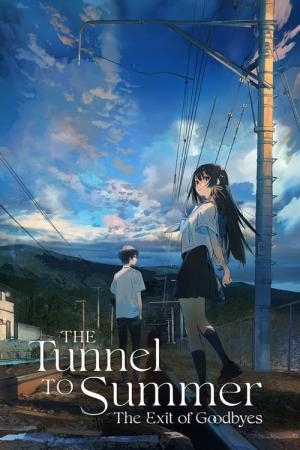
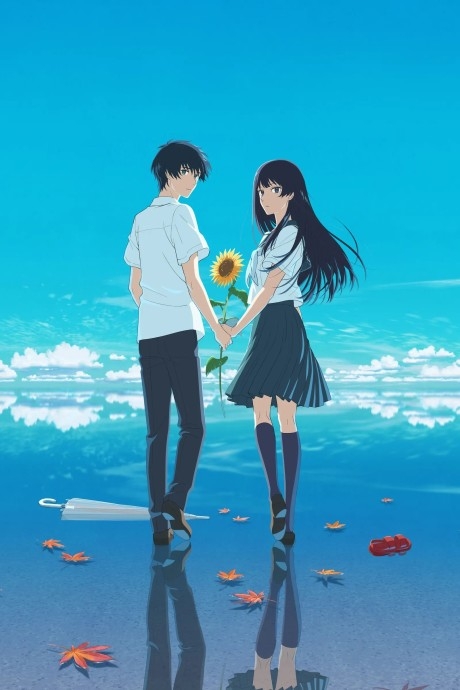
The Tunnel to Summer, the Exit of Goodbyes wants to be the next big supernatural romance. It has the summer setting, the mysterious portal, the two kids who can't quite connect. But here's the thing: it's messy. The writing is clunky, the meta-commentary about the author inserting herself as the female lead gets weird by the end, and the emotional beats feel recycled from better films. If you're looking for anime like the tunnel to summer, the exit of goodbyes, you probably want that specific mix of time fuckery and first love that really lands. You want the feeling of warm asphalt and the fear of growing up and the sense that every second matters. The good news is that plenty of movies do this without falling into the same traps. Some came before it, some came after, but all of them understand that you need more than a cool tunnel gimmick to make people care.
What The Tunnel Gets Wrong
Most people who watched this movie walked away with the same thought: it feels like a rough draft. The story follows Kaoru and Anzu as they mess around with a tunnel that eats your time in exchange for granting wishes. Cool idea. But the execution is weird. Anzu is basically a self-insert for the light novel author, which starts feeling uncomfortable when you realize the romantic dynamic. The dad is this over-the-top alcoholic villain who blames his kid for his sister's death, and it's handled with all the subtlety of a brick. The animation is fine but nothing special, and the voice acting is just there.
The real problem is that it doesn't earn its ending. It wants to be Whisper of the Heart with time travel, but it skips the part where you actually believe these people exist. The Film Obsessive review calls it personal but generic, and that's dead on. The movie is trying to say something about wasted time and creative ambition, but it gets lost in clichés about abusive parents and wish fulfillment. If you're hunting for anime like your name or other big hits in this space, you need stories where the supernatural element serves the characters, not the other way around.
Your Name Is The Obvious Choice But Still The Best
Yeah, everyone says this, but they're right. Kimi no Na Wa works because it trusts you to keep up. The body swapping isn't just a gimmick, it's how these two kids learn to care about someone they've never met. Mitsuha lives in this rural town she hates, dealing with shrine maiden duties and her dad's political career, while Taki is scrambling through Tokyo working part-time jobs and nursing crushes on older girls. When they start waking up in each other's bodies, they don't immediately fall in love. They mess with each other's lives. Mitsuha gets him a date with his crush just to see what happens. Taki makes her stand up to the bullies at her school.
The time element is woven into the fabric of the story so tightly that when the twist hits, it feels inevitable rather than cheap. You find out they've been separated by three years the whole time, and Mitsuha's town was destroyed by a comet. The scene where Taki drinks the sake and sees her whole life flash by, or when he finally finds her name written on his hand only for it to fade, or that final meeting on the stairs where they ask for each other's names. It all matters because the movie spent time making them real people. The Anime-Planet recommendations list this as the top pick for a reason. If you haven't seen it yet, fix that. If you have, watch it again to remind yourself how this genre is supposed to work.
The Girl Who Leapt Through Time Is The Standard
Before Your Name, there was this. Mamoru Hosoda's film about Makoto Konno discovering she can jump backwards through time is basically required viewing. Unlike The Tunnel to Summer, which uses time as a currency you spend, this movie treats it as something you can break. Makoto figures out she can leap by literally jumping, and she gets a number on her arm counting down how many jumps she has left. She uses them for stupid stuff at first, like getting perfect karaoke scores or avoiding awkward conversations with Chiaki, the boy who likes her. That's what real teenagers would do.
The romance builds slowly and painfully. Chiaki is from the future, which Makoto doesn't find out until she's used up almost all her leaps trying to fix a bad day. The scene where he confesses to her on that sloped street, or the final moment where he has to return to his own time and she has to decide whether to use her last leap to see him again. It hurts in a way that feels earned. The movie doesn't have the glossy sheen of Shinkai's work, but it's got heart for days. The Reddit threads always mention this one, and for good reason. It understands that time travel should have consequences that sting.
Josee, The Tiger and the Fish
This one is different but fits the vibe perfectly. Tsuneo is a college student working part-time at a mahjong parlor who meets Josee, a girl who uses a wheelchair and rarely leaves her house because her overprotective grandmother keeps her locked away. There's no time travel, but there are barriers keeping them apart that feel just as impossible as a magic tunnel. Josee is prickly and defensive, Tsuneo is patient and obsessed with ocean biology. They bond over food and stories, and eventually he starts taking her outside.
The movie is about whether love can survive when the world keeps telling you no. The summer setting is there, the quiet moments of connection are there, and the ending will wreck you. It's based on a short story by Seiko Tanabe, and it treats Josee's disability with respect while not making it the whole point of her character. The aquarium scenes where she gets to see the fish she loves, or the moment where Tsuneo has to choose between his study abroad program and staying with her. If you liked the idea of two outsiders finding each other in The Tunnel to Summer but hated how the movie handled it, this fixes everything. It's real and messy and doesn't need supernatural explanations to make you cry.
Lonely Castle In The Mirror
This came out around the same time as Tunnel and does the "magical place that grants wishes" thing way better. Seven kids get pulled through their mirrors into a castle where they can have one wish if they find a hidden room before five o'clock. The catch is that they have to share their stories to survive, and there's a wolf hunting them. It's got the same melancholy tone as The Tunnel to Summer, but the writing is tighter and the emotional payoffs hit harder.
Each kid is dealing with something heavy, from bullying to abuse to suicide attempts, and the castle forces them to be honest about it. The wolf isn't just a monster, it's a manifestation of their trauma. When they finally find the hidden room, the twist about what the wish really costs lands with actual weight. The castle itself is a better metaphor than the tunnel because it represents the isolation these kids feel in their real lives. You can see why the Bestsimilar list groups these together, but Lonely Castle understands that you need to care about the people before you care about the magic.
The Parallel Worlds Duology
To Every You I've Loved Before and To Me, The One Who Loved You are two movies that came out the same day and tell the same story from different angles. They involve Koyomi falling for Shiori, but their parents marry each other, making them step-siblings. To avoid this, they jump to parallel worlds using technology from his dad's research lab. It's complicated and messy and romantic in a way that feels dangerous.
The sci-fi elements are heavier here than in Tunnel, with actual parallel world theory and dimensional shifting, but the core idea is the same: love that defies the rules of reality. These movies take risks that The Tunnel to Summer was too scared to take. They don't shy away from the implications of choosing one world over another, or what it means to leave your original life behind. The two films intersect in weird ways, showing the same scenes from different perspectives, and by the end you realize you've been watching two sides of a tragedy depending on which one you saw first.
Summer Ghost
This is a short film, like forty minutes, but it packs more punch than movies twice its length. Three kids meet a ghost in an abandoned airfield during summer. They're all dealing with their own stuff, from bullying to terminal illness to suicidal thoughts, and the ghost helps them process it. There's no romance in the traditional sense, but the themes of lost time and saying goodbye fit perfectly with what The Tunnel to Summer was trying to do.
The animation is beautiful, all golden hour lighting and floating sparks, and the ending is bittersweet in the best way. It was written and directed by loundraw, who did the art for I Want to Eat Your Pancreas, so you know it looks incredible. The scene where they light fireworks with the ghost, or the final revelation about who she really was. It proves you don't need eighty-five minutes and a convoluted time tunnel to make people feel things.
Words Bubble Up Like Soda Pop
Another short one about two shy kids meeting during summer. Cherry expresses himself through haiku because he has a speech impediment, and Smile is a popular influencer who hides her braces behind masks. They meet at a shopping mall and bond over an old man searching for a lost record. It's sweet and quiet and understands that sometimes the biggest barrier between two people isn't time or magic, it's just the fear of speaking up.
The haiku elements are woven throughout, with text floating across the screen, and the color palette is all bright reds and blues. If you liked the quieter moments of The Tunnel to Summer but wished the characters weren't so annoying, this is your fix. It's got that same lazy summer heat vibe but with characters who feel like they could exist.
Suzume: When The Director Does It Right
Makoto Shinkai's follow-up to Your Name deals with similar themes to The Tunnel to Summer but actually executes them. Suzume Iwato finds a door in abandoned ruins that leads to the Ever-After, a place where time is frozen at the moment of disaster. She teams up with Souta, a chair (long story), to close these doors before the worm causes earthquakes. The romance is subtle, built on shared trauma and road trip conversations rather than dramatic time sacrifices.
The movie deals with the 2011 Tohoku earthquake in a way that respects the tragedy without exploiting it. Every door Suzume closes represents a memory of a place destroyed by disaster, and the people who lived there. When she finally goes through the door to find her mother, or when she has to choose between saving Souta and preventing catastrophe, it hits because the movie earned that emotion. Unlike Tunnel, which feels like it's checking boxes, Suzume builds its world with care.
Whisper of the Heart: The Meta-Commentary Done Right
The Tunnel to Summer tries to do this weird meta thing where Anzu is clearly based on the author Mei Hachimoku, and she's writing a manga about a girl in a wheelchair who falls in love. It wants to be Whisper of the Heart, where Shizuku writes a fantasy story based on the boy she loves, but it fumbles because it makes Anzu too perfect and the metaphor too obvious.
Whisper of the Heart works because Shizuku's writing is bad at first. She's copying what she's read, and she has to learn to find her own voice. The scene where she follows the cat to the antique shop, or when Seiji plays "Country Road" on the violin while she tries to sing along. The movie understands that creativity is messy and embarrassing and takes work. If Tunnel wanted to be about a writer finding her voice through love, it should have watched this first.
When Time Travel Goes Wrong
Not every attempt at this genre works. Maboroshi tries to do something similar with a town where time stops after a factory explosion, but it gets bogged down in its own mythology and weird incest subplots. Tatami Time Machine Blues is fun but it's more of a comedy about fixing your air conditioner than a romance. The difference between these and the good stuff is character.
You can have the coolest time distortion mechanic in the world, but if I don't care about the people using it, I'm checking my phone. The Tunnel to Summer falls into this trap. It spends so much time explaining the rules of the tunnel and showing Anzu's manga drafts that it forgets to make Kaoru interesting beyond his tragic backstory.
Erased: Fixing The Past Without Magic Tunnels
Satoru Fujinuma has a power called Revival that sends him back in time a few minutes to prevent accidents. When his mom gets murdered, he gets sent back eighteen years to his childhood to prevent a kidnapping that started a chain of tragedies. There's a romance element with Kayo, the girl who would have been the first victim, but the focus is on saving people.
The time travel here has rules that hurt. Satoru can't control when he goes back, and he has to relive his childhood with adult knowledge. The scenes where he befriends Kayo and tries to keep her from going home to her abusive mother are brutal. It shows that you don't need a magical wish-granting tunnel to tell a story about time and regret. The live-action version is solid too, but the anime captures the winter atmosphere perfectly.
Rascal Does Not Dream: Adolescent Syndrome
Sakuta Azusagawa meets Mai Sakurajima, an actress who has become invisible to everyone except him due to Adolescent Syndrome, a condition that manifests supernatural symptoms based on emotional trauma. The series deals with time loops, body swapping, and alternate timelines across its run, culminating in the movie Rascal Does Not Dream of a Dreaming Girl where Sakuta has to choose between saving Mai or saving Shoko, a girl from his past with a terminal illness.
The time mechanics here are complicated, involving quantum physics and Schrödinger's cat, but the emotional core is simple. These kids are hurting, and the universe bends to accommodate that pain. The scene where Sakuta runs through the rain screaming Mai's name, or when he realizes Shoko has been manipulating time to save him. It handles the "sacrifice time for love" theme better than Tunnel because it makes you understand what exactly is being sacrificed.
I Want To Eat Your Pancreas: Dying Girl Done Right
Haruki finds a diary in the hospital that belongs to Sakura, a popular girl who is dying of a pancreatic illness. She decides to spend her remaining time with him because he treats her normally. There's no time travel, just the countdown of a terminal diagnosis, but it captures that same feeling of stolen moments that Tunnel was going for.
The twist at the end, where Sakura dies not from her illness but from a random stabbing, feels like a cheat to some people, but it drives home the theme that death comes for everyone regardless of plans. The scene where they watch fireworks together, or when she explains the title's meaning about wanting to live inside someone else's body. It's manipulative, sure, but it earns its tears honestly rather than through contrived time tunnels.
A Silent Voice: Redemption Without Magic
Shoya bullies Shoko, a deaf girl, in elementary school until she transfers away. Years later, he's ostracized and suicidal, and he tries to make amends. No time travel, no supernatural elements, just the slow process of forgiving yourself and others. The scenes where Shoya learns sign language to properly apologize, or the festival scene where he finally looks people in the eye again.
If you liked the idea of Kaoru dealing with his guilt over his sister's death in Tunnel but hated how it was resolved through magic, this shows how to do that arc properly. It takes work and awkward conversations and setbacks. The animation by Kyoto Animation is gorgeous, with careful attention to body language and facial expressions that Tunnel's stiff character animation can't match.
Why These Movies Work
The best supernatural romance anime understand that the magic is just a way to show how hard it is to connect with another person. Your Name uses distance in time and space. Josee uses physical disability and social anxiety. Lonely Castle uses trauma and isolation. They all share DNA with The Tunnel to Summer, but they remember that the tunnel isn't the point. The point is who you walk through it with.
If you're looking for anime like the tunnel to summer, the exit of goodbyes, start with these. They give you the same bittersweet summer vibes without the awkward writing and weird meta-narrative. They prove that you can have impossible romance and grounded characters at the same time.
Check out this guide to better time romance anime if you want more options, or look at what really works in this genre. The Reddit crowd also has solid recs if you want to dig deeper into specific tastes.
Frequently Asked Questions
Is The Tunnel to Summer worth watching?
It's got pretty scenery and the premise is cool, but the writing is clunky and the characters feel like templates rather than people. If you love the genre, maybe give it a shot, but there are way better options that handle similar themes.
Does Your Name have time travel?
Yeah, sort of. It's complicated and I don't want to spoil it, but it uses time in a way that hits harder than The Tunnel to Summer's gimmick. The body swapping leads to a twist involving temporal displacement.
Are there any other short movies like Summer Ghost?
Words Bubble Up Like Soda Pop is around the same length and hits similar themes of summer romance and communication issues. Summer Ghost is another short film that packs a heavy emotional punch in under an hour.
What's the best time travel romance anime?
Most people say Your Name or The Girl Who Leapt Through Time. Your Name is more visually spectacular with a complex timeline, while The Girl Who Leapt Through Time feels more grounded in teenage stupidity and consequences.
What if I want the romance without the magic?
Josee, the Tiger and the Fish has no supernatural elements but captures that same feeling of two outsiders meeting during summer and dealing with barriers that keep them apart. A Silent Voice also deals with heavy trauma and redemption.