
Blue Exorcist Anime Series Review
Blue Exorcist anime series review threads always start with the same warning. If you watch episode seventeen right after sixteen, you are doing it wrong. This show has the most broken timeline in modern shonen and it confuses everyone who tries to binge it straight through. I have been following this series since it started airing and I am tired of seeing new fans get screwed by the watch order.
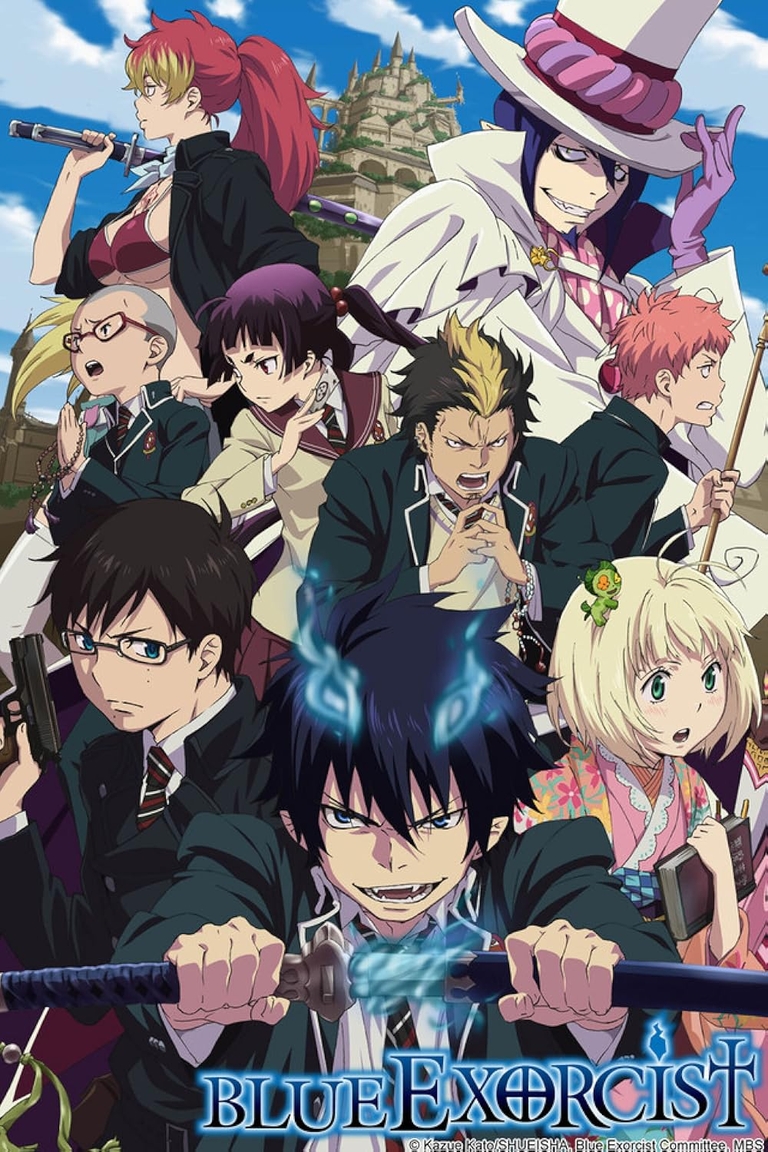
The show follows Rin Okumura, a kid who finds out he is Satan's son after his adoptive father dies. He goes to True Cross Academy to become an exorcist and fight his real dad. Simple enough. But the production history is a nightmare. Season one adapts the manga then veers off into filler hell. Season two ignores that ending and picks up from episode sixteen. Then you have new seasons that keep jumping around. It is a mess. But it is a mess with heart, solid music, and some of the best sibling dynamics in the genre. You just need to know how to approach it.
The Watch Order Is Broken And Nobody Warns You
Look, nobody tells you this when you start, but Blue Exorcist has two different continuities fighting each other in the same season. The first sixteen episodes of season one follow Kazue Kato's manga closely. Then the anime overtook the source material and the writers panicked. Episodes seventeen through twenty-five are pure filler with a rushed ending that makes Satan look like a pushover and wastes all the build up.
If you want the real story, you stop at episode sixteen. Then you watch season two, which is called the Kyoto Saga. That covers the Impure King arc and follows the manga canon. Only after you finish season two do you go back and watch episodes seventeen through twenty-five of season one if you really want to, though most fans skip them entirely. Some people say you should watch the first season straight through for completion's sake, but honestly it ruins the pacing. spoiler-free watch guide explains this better than most official sources.
There is also a movie. It is set between season one and two but it is not canon and it is pretty forgettable. You can skip it unless you are a completionist. It has pretty animation but adds nothing to the characters.
Season One Starts Strong Then Falls Apart
The first half of season one is good shonen fun. Rin is loud and angry in a way that feels genuine, not forced. He is struggling with his demon heritage while trying to make friends at an exorcist school that would kill him if they knew who his dad was. The tension works. The side characters like Bon and Shiemi get enough screen time to matter. The animation by A-1 Pictures holds up, especially during the early fight scenes.
People compare the school setting to Harry Potter a lot and they are not wrong. You have the dormitories, the eccentric teachers, the class system based on skills, and the hidden dangers lurking in the hallways. It hits those same notes of found family and learning to trust your weird classmates.
Then it collapses. Once the original content kicks in, the plot holes start showing up. Characters stop growing. Rin spends twenty five episodes learning how to draw his sword but never really gets stronger as an exorcist. The finale brings Satan in too early and he goes down like a chump. user reviews mention this rushed feeling constantly. It feels like they tried to cram three arcs into three episodes.
Kyoto Saga Actually Respects The Source
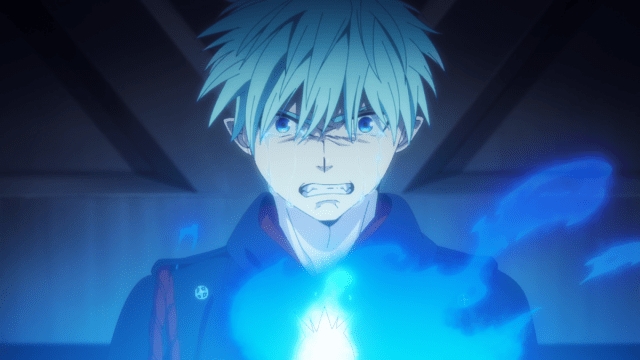
Season two is what the show should have been from the start. It adapts the Kyoto arc where the class goes on a field trip and fights the Impure King. This is canon material and it shows. The pacing slows down enough to let characters breathe. You get actual development for Bon and his family issues. The animation stays consistent and the stakes feel real because they are not rushing to an artificial ending.
This is also where the show starts treating its female characters better. Shiemi and Izumo get agency. They are not just waiting to be rescued. The romantic tension between Rin and Shiemi gets subtle hints that feel natural instead of forced comedy bits. Reddit discussions often cite this season as the reason the series is worth watching despite season one's problems.
The action in Kyoto Saga focuses more on teamwork than solo power trips. You see the exorcist classes working together. Knights defend while Aria recite scripture to weaken demons. Doctors stay back to heal. It is tactical in a way the first season's filler was not.
The New Seasons Get Dark And Quiet
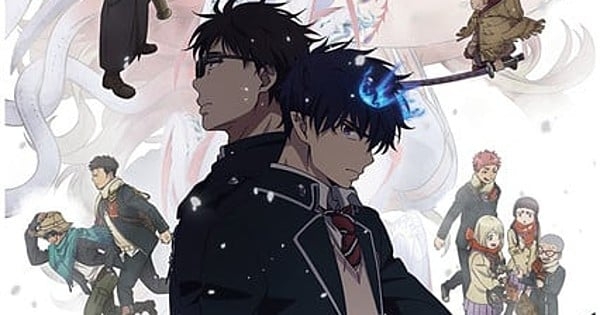
After Kyoto, we got Beyond the Snow Saga and Blue Night Saga animated by Studio VOLN instead of A-1 Pictures. The budget shows. There are fewer big fight sequences and more talking heads. Static images replace fluid animation during battles. But the writing got darker and more personal.
Beyond the Snow focuses on Yukio unraveling. He is dealing with his own demonic powers and his resentment against Rin. It is slow. It is moody. Bon follows Lightning around investigating secret labs and it feels more like a mystery show than an action one. ANN's review points out how this arc trades spectacle for character study.
Then Blue Night Saga jumps back in time to show Shiro Fujimoto raising the twins and the tragedy of their mother Yuri. These episodes hit hard. You see Lucifer as a tragic figure, not just a villain. You learn why Mephisto helped raise the boys. Episode twelve of Blue Night where Rin says goodbye to Shiro properly made me cry, which is something I cannot say about the original season one ending. reviews of the final episodes give these arcs high marks for emotional payoff.
Shura's Backstory Gets Weird
Beyond the Snow also gives Shura Kirigakure a full origin story. It involves a cursed family, a snake demon, and some uncomfortable sexual content that the show usually avoids. It is grim. It explains why she acts the way she does but it is heavy stuff involving abuse and forced marriage concepts. Not everyone likes how it was handled but it is definitely not filler.
The Power System Is Simple And That Is Okay
Do not come to this show expecting Hunter x Hunter levels of complexity. The exorcist classes are straightforward. You have knights who fight close up, doctors who heal, tamers who summon, and aria who use scripture. That is it. Rin has blue fire because he is Satan's kid. He does not get new forms every ten episodes. He just learns to control what he has.
Some fans hate this. They want power scaling and tournament arcs. some critics call the fights flaccid because the tension comes from character drama rather than power levels. I think it works fine. The show is more interested in whether Rin can control his temper than whether he can punch harder.
The weapons are cool at least. Kurikara is a neat sword concept. The demon familiars have distinct designs. But yeah, if you are here for epic shonen battles where the protagonist unlocks hidden potential every arc, you will be disappointed. Rin at episode one and Rin at the end of season three are not that different in terms of raw power. He just makes fewer stupid decisions.
The Soundtrack Slaps Hard
One thing this show never screws up is the music. Hiroyuki Sawano worked on the newer seasons and you can tell. The OST has that dramatic choir and heavy guitar mix that makes even boring scenes feel important. The first opening by UVERworld, Core Pride, is still a banger. It gets you hyped every time. The second opening In My World by ROOKiEZ is PUNK'D has that early 2000s angst that fits Rin's attitude perfectly.
Season two's opening Itteki no Eikyo by UVERworld again is probably the best one. The animation during that opening shows off the Kyoto setting beautifully. Even when the show was running out of money in the later seasons, they still spent cash on good music.
Why It Works Despite The Mess
Here is the thing. Blue Exorcist is a comfort show. It has that old school shonen vibe where characters really care about each other. The openings get you hyped. The English dub is solid, with Johnny Yong Bosch making Yukio sound like he is constantly holding back a breakdown, which fits the character perfectly.
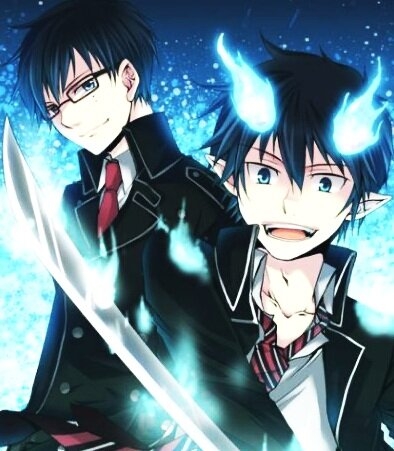
The sibling relationship between Rin and Yukio carries the whole production. Rin is all heart and no brain. Yukio is all brain and broken inside. Watching them try to understand each other hits different if you have a sibling. The show is at its best when it stops trying to be a big action blockbuster and just lets these two talk.
It is also funny when it wants to be. The comedy does not rely on exaggerated reaction faces as much as other shonen. Rin's face when he fails at cooking or studying lands every time. Mephisto Pheles provides that chaotic energy as the principal who may or may not be helping the heroes. He is like if the Joker ran a school but was too lazy to actually kill anyone.
So yeah, this Blue Exorcist anime series review comes with baggage. You have to navigate a broken timeline. You have to skip episodes or watch them out of order. You have to accept that season one ends poorly and the new seasons have less animation polish. But if you can get past that, you get a story about family that really means something. It is messy, it is flawed, and it is probably not getting the budget it deserves anymore. But it is honest about what it is. Watch the first sixteen episodes. If you like them, jump to Kyoto Saga. Save the filler for last, or skip it. Just do not let the messed up production history scare you off from one of the more sincere demon stories in the genre. This breakdown of the messy timeline covers the viewing order in more detail if you are still confused, and this analysis explains why the show keeps getting second chances despite its flaws.
Frequently Asked Questions
What is the correct order to watch Blue Exorcist?
Stop at episode sixteen of season one. Then watch season two (Kyoto Saga) completely. After that, you can go back to episodes seventeen through twenty five of season one if you want, but they are filler and not canon. This avoids the rushed anime-only ending that confuses everyone.
Should I watch the Blue Exorcist movie?
No, it is optional and not canon to the main story. It takes place between season one and two but adds nothing important to the characters or plot. You can skip it unless you want more content.
How are the newer seasons different from the original?
It gets darker and more character focused. Studio VOLN took over from A-1 Pictures, so there is less fluid animation and more static shots. However, the writing improves with deeper drama, especially in Blue Night Saga which covers the twins' origin story.
How does the power system work?
It is pretty basic compared to complex shonen. You have five main classes: Knights fight with weapons, Aria use scripture to weaken demons, Doctors heal, Tamers summon familiars, and Dragoon use guns. Rin is a Knight with Satan's blue flames, but he does not get new powers every arc, he just learns control.
Is Blue Exorcist worth watching?
Yes, but with caveats. It is a comfort show with great sibling dynamics and music. Just know that season one has a bad filler ending after episode sixteen, and the new seasons have cheaper animation. If you can handle a broken timeline, the characters make it worth it.