Brynhildr in the Darkness Anime Plot and Themes
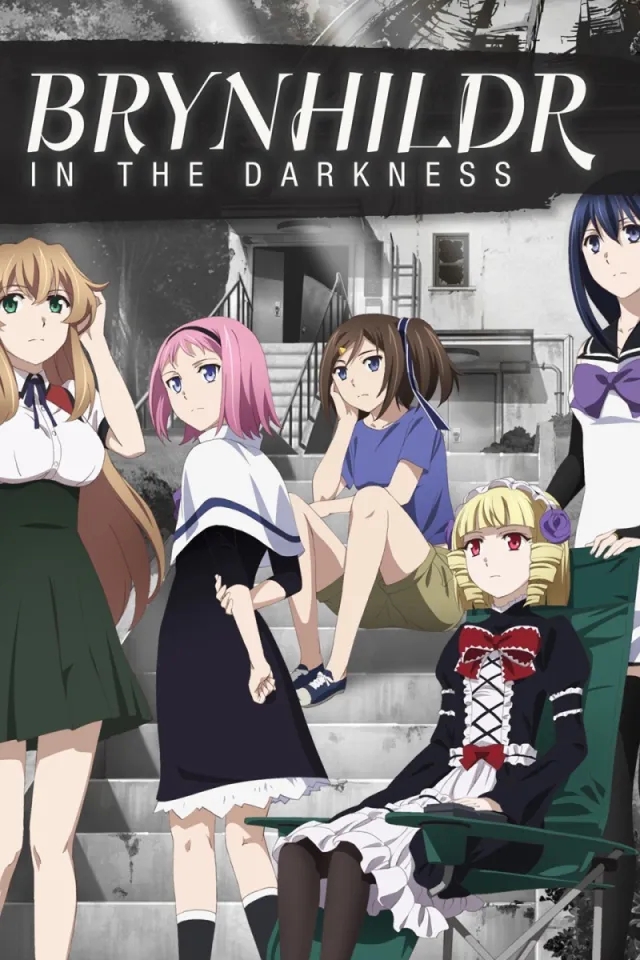
Brynhildr in the Darkness anime plot and themes revolve around a question that the show never answers properly: what happens when you mix Elfen Lied style body horror with a generic high school harem comedy. You get a mess, that's what. Ryouta Murakami is this astronomy nerd with a photographic memory who can't stop obsessing over his dead childhood friend Kuroneko. She died ten years ago trying to prove aliens were real and now he's trying to honor her memory by looking through telescopes every night. Then this transfer student shows up looking exactly like Kuroneko but calling herself Neko Kuroha and suddenly there are witches with alien parasites in their necks who will melt without daily pills and a secret organization trying to kill them all.
That's the setup, and it sounds cool on paper. You've got these escaped experiments living in an abandoned chapel hiding from the government guys who made them. They've got superpowers but they're also ticking time bombs because if they don't take these special pills every day their bodies literally liquefy. The show wants to be this dark survival story about kids with trauma but it also wants to be a boob comedy where the girls measure each other's chests and fight over who gets to sleep with the main guy. It doesn't work. The result is something that feels like it was stitched together from two different anime that hate each other.
The Setup That Could Have Worked
Ryouta's whole deal is that he blames himself for Kuroneko's death. They were kids climbing a dam to look for aliens, she fell, he tried to save her, they both died except he got revived somehow and she didn't. Or so he thinks. This guilt drives every decision he makes. When Neko shows up with the same face but no memory of him, he immediately latches onto her because he sees it as a second chance to keep his promise. The promise was to prove aliens exist, which is ironic because Neko is basically proof of extraterrestrial life since she's got a parasite from outer space living in her spinal cord.
The show spends way too long on the mystery of whether Neko is actually Kuroneko or not. Spoiler alert: she is, kind of, but with memory loss and some weird split personality stuff involving her sister. The problem is Ryouta isn't a normal protagonist. He's got this perfect memory that the writers only use when it's convenient. Sometimes he remembers every detail of a scientific paper he glanced at once and uses it to save the day. Other times he forgets basic survival instincts. It's annoying because the show keeps telling us he's a genius but he acts like an idiot whenever the plot needs him to be clueless.
What the Neck Devices Actually Do
So these witches aren't magic users in the traditional sense. They're girls who were kidnapped and implanted with these alien organisms called Drasils. The Drasil sits in a metal collar attached to their spine. It gives them powers like telekinesis or seeing the future or hacking computers with their mind, but it's also killing them slowly. Every witch has a button on the back of their neck that can instantly kill them if pressed, which the organization uses to control them. If they use their powers too much, the Drasil hatches and eats their body from the inside out turning them into a puddle of goo.
This is where the horror elements shine. When a witch runs out of pills or overuses her abilities, she doesn't just die peacefully. She melts. It's graphic and disturbing and exactly what you'd expect from the guy who wrote Elfen Lied. The show doesn't shy away from showing bodies dissolving into red mush. But then it'll cut immediately to a scene where the girls are trying to grope each other in the bath and you're left wondering what kind of show you're actually watching. The frankenstein monster of genres creates this weird viewing experience where you feel guilty for watching the fan service right after watching someone die horribly.
The Girls Living on Borrowed Time
Each witch represents a different anime trope but with a dark twist. Kana is this goth loli looking girl who's completely paralyzed and trapped in a wheelchair. She can see the future but she can't move her body at all, which means she watches her friends die in visions but can't do anything to stop it. She's got this device that lets her communicate by typing slowly and the show uses her for cheap laughs about her being helpless which is honestly pretty gross.
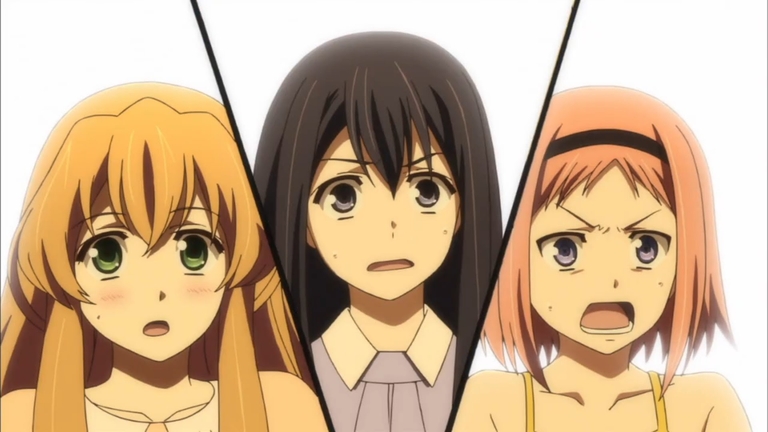
Kazumi is a foul-mouthed hacker who acts tough but is terrified of dying a virgin so she throws herself at Ryouta constantly. She's supposed to be the comic relief but her jokes are mostly about being flat-chested and sexually desperate. Kotori seems like the clumsy big-breasted comic relief but she's actually got one of the most powerful abilities and she's hiding severe depression. She can swap places with people instantly which makes her a target because she's useful.
Hatsuna shows up later as a healer who can regenerate but every time she fixes someone she falls apart a little more. She's got this rivalry with Kazumi about who deserves Ryouta's attention which feels forced because they've got bigger problems like not melting into slime. Neko herself has the ability to break things with her mind and she can also transfer her power to others, which becomes important later. But she's also got this curse where she loses her memories every time she uses too much power, so she's constantly forgetting who Ryouta is and why she cares about him. It's tragic when the show remembers to be tragic.
Brynhildr in the Darkness Anime Plot and Themes The Norse Connection
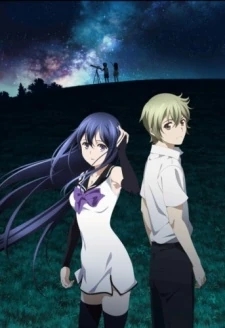
Here's where things get weird in a good way. The whole story is actually a retelling of Norse mythology mixed with sci-fi nonsense. The title itself refers to Brynhildr the Valkyrie from the old legends. Neko represents Brynhildr, the warrior maiden who gets cursed to sleep surrounded by fire until a hero wakes her. Ryouta is Siegfried, the hero who breaks the curse but ends up betrayed. The organization represents the Aesir gods who think they can control everything through technology while the witches represent the Vanir, the nature gods who believe in love and sacrifice.
If you dig into the Norse mythology analysis, Kazumi is basically Freyja, the goddess of love and fertility. Hatsuna represents Nerthus, an earth mother figure associated with death and rebirth. Kana is a Völva, a seer who predicts Ragnarok. Kotori combines aspects of Grani the horse and Idunn the goddess of immortality. Even the Drasils are references to Yggdrasil, the world tree. The manga apparently explores this way more than the anime does, which just touches on these ideas before rushing to the finish line. The anime barely mentions that Ryouta's family discovered alien ruins in Dresden which connects to the whole Siegfried finding Fafnir's hoard thing.
The Tone Is Completely Broken
This is the biggest problem with the show. It cannot decide if it wants to be a serious sci-fi horror about child experimentation and existential dread or a lighthearted ecchi harem where the girls compete for the protagonist's attention. You'll have an episode where a character melts into a pile of blood and flesh while screaming, followed immediately by a scene where the surviving characters go to the beach and have a breast size contest. It's not just jarring, it's disrespectful to the characters' suffering.
The show cannot decide if it wants to scare you or turn you on and that confusion ruins both attempts. The fanservice isn't even good fanservice. It's this weird aggressive sexuality where the girls act desperate because they think they're going to die soon, so they throw themselves at Ryouta in ways that feel pathetic rather than sexy. Kana is paralyzed and can't consent to anything but the show still has other characters make lewd jokes about her while she's trapped in her own body. It's uncomfortable to watch. The show thinks it's being edgy but it's just being gross. Half the runtime is spent on stupid harem antics including constant comparisons of breast sizes and heavy sexualization of a totally paralyzed girl which is alarming because she cannot escape or fight back.
The Pacing Disaster
The first four episodes move at a crawl. They introduce Ryouta, Neko, and the basic concept, then spend way too long on slice of life stuff at school. Then around episode five they realize they only have thirteen episodes total so everything goes into hyperdrive. Characters get introduced in one episode and die two episodes later. Plot twists that should have had entire arcs dedicated to them get resolved in five minutes. The final three episodes are such a mess that you need a flowchart to follow what's happening.
There's this thing called a gecko ending in anime, where the show runs out of manga material so the writers make up their own ending that doesn't match the source. Brynhildr has one of the worst gecko endings I've seen. The manga goes on for 181 chapters and has a proper resolution to the alien conspiracy, the organization, and the characters' fates. The anime ends with a big fight against a character named Valkyria who shows up out of nowhere, some nonsense about an alien spaceship under the school, and then a reset button gets pushed that fixes some things but not others. Kogorou, the teacher who helps them, just disappears and you never find out what happens to him. If Neko was unsealed, how did she lose her memories at the end? The true nature of Valkyria and Neko, whether they are genuine witches or merely gifted humans, is left ambiguous. The identity and origins of the aliens, the specifics of how the other girls became witches, and the source of their distinct powers are never fully explained.
The Soundtrack and Visuals
The animation is done by Studio Arms, who also did Elfen Lied and Queen's Blade, so you know what you're getting into. The character designs are generic but the backgrounds of Kamakura where it's set look nice enough. The CGI for vehicles is terrible though. Cars look like they're from a PlayStation 2 game. The censorship is also annoying if you watch the broadcast version, with bright white light covering all the gore which makes the melting scenes look stupid instead of scary.
The music is weird because the opening themes don't match the show at all. The first opening is this techno dubstep thing that actually fits the dark mood pretty well, but then halfway through they switch to a death metal track by Fear and Loathing in Las Vegas that feels completely out of place. The ending theme is a soft piano ballad that works better. The voice acting is fine in Japanese but the English dub is rough. Some of the lines sound like they were recorded in a closet and the direction makes everyone sound unnatural.
Why It Fails As Both Genres
As a horror show, it's undermined by the constant fan service. You can't build tension about characters dying when you keep cutting to panty shots. As a harem show, it's undermined by the constant threat of gruesome death. You can't enjoy the romantic comedy when every girl could turn into a puddle of goo at any moment. The protagonist Ryouta is also a problem because he's this blank slate nice guy who just says "I'll protect you" over and over. He's supposed to be smart but he makes terrible decisions constantly.
The supporting characters are introduced late just to pad the runtime rather than developing the ones we already have. The villains have unclear motives. Dr. Ichijuki wants to reanimate someone but the show never explains who or why. The whole alien conspiracy is mentioned in episode one then ignored until the last episode where it comes back as a deus ex machina. It's sloppy writing that assumes you won't notice the plot holes because you're distracted by the boobs.
Brynhildr in the Darkness anime plot and themes had the potential to be something special. The idea of these doomed girls fighting against the organization that made them while living on stolen time is compelling. The Norse mythology angle adds depth that most sci-fi anime don't bother with. But the execution is a disaster. The show is too busy trying to be a harem comedy to properly explore its dark themes, and too violent and depressing to work as a fun fanservice show. It ends up satisfying nobody. If you want the real story, read the manga. The anime is just a poorly paced advertisement that wastes your time with tonal whiplash and an ending that fixes nothing. It's not the worst thing ever made but it's definitely a cautionary tale about what happens when a studio doesn't understand the material they're adapting.
Frequently Asked Questions
Is Brynhildr in the Darkness related to Elfen Lied?
Yes, both were created by Lynn Okamoto and animated by Studio Arms. They share themes of experimented girls with powers, shadowy organizations, and graphic violence mixed with fan service. Brynhildr is often called Elfen Lied's spiritual successor but with more sci-fi elements and worse execution.
What is a gecko ending and why does this anime have one?
It's called a gecko ending because the anime caught up to the manga and had to create its own conclusion. The anime ends at episode 13 with an original story that differs from the manga's 181-chapter run, leaving many plot threads unresolved and introducing Valkyria suddenly as a final boss.
What are the witches and how do their powers work?
They are modified humans implanted with alien parasites called Drasils in metal collars attached to their spines. These devices grant supernatural powers but will kill the host by making their body melt into goo if they don't take special daily pills or if they overuse their abilities.
What does the title Brynhildr in the Darkness mean?
The title references Brynhildr the Valkyrie from Norse mythology. Neko represents Brynhildr cursed to forget, Ryouta is Siegfried, and the conflict mirrors the Aesir versus Vanir war with technology representing the Aesir gods and the witches representing nature and love as the Vanir.
Is Brynhildr in the Darkness worth watching?
It's extremely divisive. Some enjoy the dark survival elements and Norse symbolism, but most criticize the severe tonal whiplash, rushed pacing, excessive fan service, and unsatisfying anime-original ending. The manga is generally considered superior.