
Bungou Stray Dogs Anime Character Analysis Reveals The Real Story
Bungou Stray Dogs anime character analysis usually misses the mark completely. People get hung up on the fancy animation and the literary names without realizing these characters are textbook studies in trauma responses and coping mechanisms. You watch five seasons of this show thinking it's a superhero crime drama but it's actually a group therapy session where everyone has guns and the therapist is also suicidal.
Look at the ability names. They're not random cool words pulled from a hat. Beast Beneath the Moonlight isn't just Atsushi turning into a tiger to punch harder. It's about the thing inside you that you can't control, the part that comes out when you're scared and angry, the literal manifestation of feeling like a monster. No Longer Human isn't Dazai being edgy for aesthetic points. It's literal emptiness, a void where connection should be. Rashomon isn't just black tentacles because they look scary. It's the ugliness Akutagawa sees when he looks in the mirror, the belief that he's fundamentally rotten. what really drives the cast
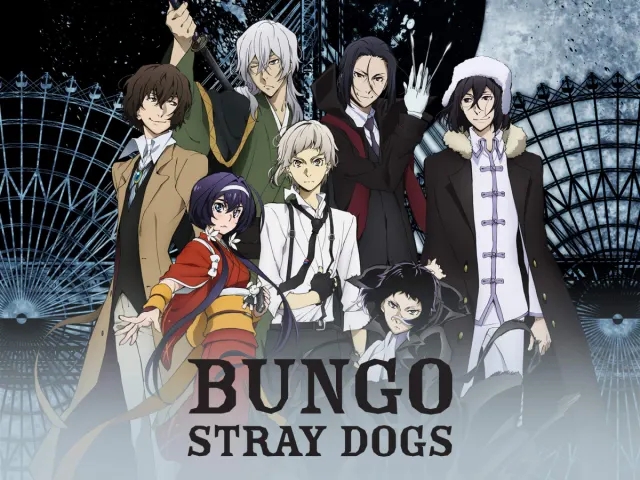
Shin Soukoku and The Abandonment Cycle
Atsushi and Akutagawa are the same person with different coping strategies and that's what makes their rivalry work. Both got thrown away as kids. Both starved in the streets. Both think their only value is being useful to someone else, that if they can't produce results they're trash that should be burned. But Atsushi got picked up by the Armed Detective Agency where people told him he mattered even when he failed, and slowly, painfully, he started to believe it. Akutagawa got scooped up by the Port Mafia where they told him he was only worth the bodies he left behind, so he became a weapon with teeth.
They fight each other for five seasons not because they hate each other but because Akutagawa looks at Atsushi and sees everything he could have been if someone had just been kind to him instead of using him, and it makes him sick with envy, while Atsushi looks at Akutagawa and sees the monster he could become if he lets the bitterness win and the fear of being abandoned again turn him into something sharp and cruel. It's not a hero fighting a villain. It's two orphans arguing about whether hope is real while trying to kill each other. what makes them tick
Dazai Osamu and The Nothing
Dazai's ability nullifies everything it touches. That's not a coincidence or a power picked for utility in fights. The guy is based on an author who wrote No Longer Human, a book about feeling like you're wearing a human suit and everyone else got the instruction manual but you can't feel anything real. In the anime, he's always smiling and scheming and laughing but there's nothing behind the eyes until you get to the later seasons and even then it's like watching someone learn to want to live in real time.
He bandages his neck and wrists constantly. That's not a fashion statement. The show never says it outright but you can see the history there, the attempts to check out early, the physical evidence of someone who tried to leave and failed. His ability to cancel other abilities is perfect for him because it mirrors how he moves through the world, touching everything but letting nothing touch him back, keeping everyone at arm's length so they can't see how empty the inside is. good and evil portrait
The Literary Connections Really Matter
Every ability name connects directly to the real author's work and it isn't just flavor text for fans to spot. Atsushi's tiger comes from The Moon Over the Mountain, a story about a scholar who slowly turns into a tiger because he can't control his ambition and hunger. That's Atsushi exactly. He's terrified of his own potential because he thinks it'll hurt people, that if he lets himself want things or be strong he'll destroy everything around him.
Akutagawa's Rashomon is based on a short story about people stealing clothes from a corpse during a famine, about human ugliness and what people do to survive. Akutagawa believes he's ugly inside, that he's rotten, so of course his ability looks like a hungry monster that consumes everything. Chuya's ability For the Tainted Sorrow comes from poetry about being sad and broken but still moving forward. He controls gravity but he's weighed down by loyalty to people who don't deserve it. The connections aren't Easter eggs. They're the blueprint for the character's psychology. real life origins explained
The Side Characters Have Damage Too
Kunikida's ability lets him create anything he writes in his notebook. He's a control freak who thinks if he plans hard enough and organizes everything correctly, the world will make sense and bad things won't happen. His notebook is his security blanket. When he can't write something down, he panics, because unpredictability means danger means trauma.
Ranpo calls his ability Super Deduction but he's just really smart. He has to frame it as a special power because he can't accept that he's a normal person who happens to be good at puzzles. It's arrested development, a kid who never grew up because growing up meant the world would stop being a game.
Kenji gets stronger when he's hungry because his real-life poetry was about enduring hardship and being unyielding. He's pure and innocent but only because he chooses to be, because the alternative is becoming hard like everyone else in Yokohama.
Why The Port Mafia Hits Different
The Port Mafia isn't cartoon villainy where they want to take over the world. It's a system of abuse that produces broken people. Chuya stays with them because they raised him from the streets, not because he believes in the work. His loyalty is trauma bonding plain and simple. He wears fancy hats and controls gravity but he's a foster kid who thinks he owes his abusers.
Akutagawa's entire personality is built around Dazai's rejection. He wasn't good enough for his mentor so now he tries to be good enough through violence, stacking bodies like grades on a report card hoping for approval that won't come. It's not ambition. It's a kid trying to pass a test he doesn't realize is rigged.
The Visual Language Of Brokenness
When Atsushi transforms, it's messy and painful. Bones crack and shift. He doesn't magically become cool. It looks like it hurts because it does, because accepting your own power after years of being told you're worthless is painful. Akutagawa coughs up blood constantly because his ability eats his life force, literally consuming him from the inside out. He doesn't care because he doesn't think his life has value anyway.
Dazai stands too close to edges. You can see it in the background shots, the way he hovers near railings and rooftops. Atsushi flinches when people raise their voices. Akutagawa never sleeps, you can see the shadows under his eyes. These aren't aesthetic choices for cool character designs. They're medical charts, visible symptoms of PTSD and depression and anxiety disorders that the show treats seriously instead of using them as quirky personality traits.
What The Final Seasons Get Right
The later seasons with the Guild and the Decay of Angels forces everyone to confront why they fight instead of just who they're fighting. Atsushi stops saying he's useless out loud because he finally internalizes that he has value. Akutagawa stops begging for Dazai's approval and realizes he can want things for himself. Dazai finds a reason to stay alive that isn't just curiosity about what death feels like.
It's not about winning the fight. It's about deciding you're worth something even when the world told you otherwise, even when your parents threw you away, even when your mentor rejected you, even when you tried to die and failed. The character work across five seasons isn't about power scaling or who can punch harder. It's about whether these people can learn to live with themselves.
Why The Abilities Are Metaphors
Beast Beneath the Moonlight is dissociation. It's the feeling that your body isn't yours, that something else is driving, that you're dangerous. No Longer Human is depression, the inability to connect, the void where feelings should be. Rashomon is self-hatred made physical, the belief that you are a monster so you become one. For the Tainted Sorrow is the weight of expectations, of gravity pulling you down when you try to rise.
When you watch the fights, don't look at the explosions. Look at what the characters are saying with their powers. Atsushi doesn't want to hurt anyone so he fights defensively even when he could end it. Akutagawa attacks relentlessly because he thinks if he stops, he'll cease to exist. Dazai cancels everything because he won't let the world affect him until he finally does.
Bungou Stray Dogs Anime Character Analysis Is About The Quiet Moments
The show works because of the small scenes. Atsushi eating a bowl of chazuke and crying because someone made him food without wanting anything in return. Akutagawa standing in the rain waiting for someone who isn't coming. Dazai bandaging his arms alone in his apartment. Chuya drinking alone at a bar because he can't sleep.
These aren't plot points. They're character studies. The anime understands that trauma isn't just flashbacks and nightmares. It's the way you flinch when someone touches your shoulder. It's the way you can't accept a compliment. It's the way you keep people at arm's length because letting them close means they can leave.
The literary references matter because the real authors these characters are named after wrote about the same things. Osamu Dazai wrote about being human and failing at it. Ryunosuke Akutagawa wrote about the ugliness inside people. Atsushi Nakajima wrote about transformation and isolation. The anime takes their themes and makes them literal superpowers but keeps the emotional core intact.
So when you watch it, don't skip the talking scenes to get to the fights. The fights are just metaphors for the talking anyway. Pay attention to the way they look at each other. Pay attention to who sits too close and who stands too far away. That's the real story. The rest is just flashy decoration around a core of human damage and the slow, painful process of healing it.
Frequently Asked Questions
What does Atsushi's ability Beast Beneath the Moonlight symbolize?
Beast Beneath the Moonlight represents Atsushi's dissociation and fear of his own potential. It's based on the real author's story The Moon Over the Mountain about a man who transforms into a tiger. The ability isn't just a power, it's the physical manifestation of his trauma and belief that he's inherently dangerous to others.
Why do Atsushi and Akutagawa hate each other so much?
They're trauma responses to abandonment. Both were street kids who think their only value is utility. Atsushi learned to seek approval through protection while Akutagawa learned to seek it through violence. Their rivalry works because they see what they could have been in each other.
Do the literary references actually matter or are they just names?
Yes, every ability connects to the author's real work. No Longer Human references Dazai's novel about alienation. Rashomon references Akutagawa's story about human ugliness. For the Tainted Sorrow comes from Chuya's poetry about sadness. The abilities are metaphors for the psychological themes in their writing.
What is the significance of Dazai's bandages?
Dazai's bandages cover his wrists and neck, implying past suicide attempts. His ability No Longer Human nullifies everything, mirroring his depression and emotional emptiness. He stands too close to edges and treats life like a joke because he's dissociated from feeling alive.
Is the Port Mafia portrayed sympathetically?
The Port Mafia functions as an abusive family system. Characters like Akutagawa and Chuya display trauma bonding, believing they owe loyalty to the organization that 'saved' them despite the abuse. It shows how street kids get groomed into criminal organizations through manufactured dependency.