
Call of the Night Anime Review and Why It Deserves More Attention
Call of the Night anime review discussions usually focus on the vampire gimmick but they miss the point entirely. This show isn't about blood or monsters or supernatural powers. It's about being awake at 3 AM when the rest of the world is asleep and feeling like you finally belong somewhere. It's about that specific limbo state where you're not quite dreaming but not quite living your normal life either.
Kou Yamori is a middle school kid who stops going to school because he can't force himself to care about grades or social hierarchies. He suffers from insomnia. Instead of lying in bed staring at the ceiling, he walks around the empty city streets. One night he meets Nazuna Nanakusa, a strange girl with blonde hair who stops him from buying alcohol from a vending machine. She takes him back to her apartment, reveals she's a vampire, and bites his neck. Instead of being scared, Kou is fascinated. He decides he wants to become a vampire too. Nazuna agrees, but there's a catch. To transform, Kou has to fall in love with her, and she has to fall in love with him. The other vampires give him one year to make this happen or they'll kill him to protect their secrecy. That's the setup, but the show spends more time exploring why the night feels magical than it does on typical vampire action.
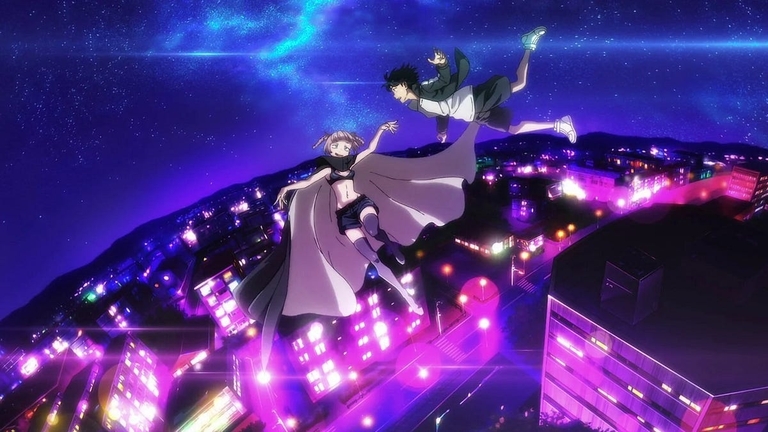
Liden Films produced this adaptation of Kotoyama's manga, with direction by Tomoyuki Itamura and Tetsuya Miyanishi. They nailed the atmosphere completely. The whole thing looks like someone took a neon sign and turned it into anime. Purple and blue lights wash over every scene while the backgrounds show convenience stores, overpasses, and apartment buildings that feel eerily similar to anyone who's ever walked around a city late at night.
The Visuals Create the Mood
You can't talk about this show without mentioning how it looks. Every frame resembles a painting of a parking lot at 2 AM. Liden Films didn't go for flashy animation with constant movement. They went for mood and stillness. The backgrounds are highly detailed while the characters often move simply or remain static. This works because the color palette does the heavy lifting.
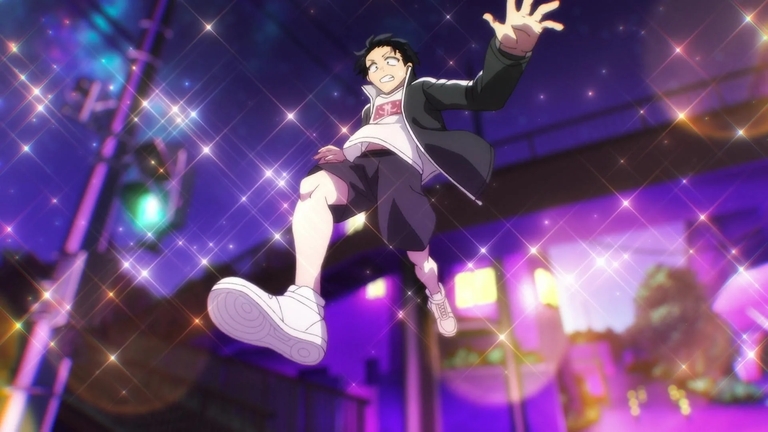
That galaxy purple aesthetic everyone mentions isn't just pretty. It communicates the weird mental state of being nocturnal. You're not quite awake. You're not quite asleep. The whole city becomes this soft-focus dreamscape where anything feels possible because the normal rules of society don't apply. When Nazuna floats through the air with her yellow eyes glowing, you buy it completely because the show has established that the night operates by different rules than the day.
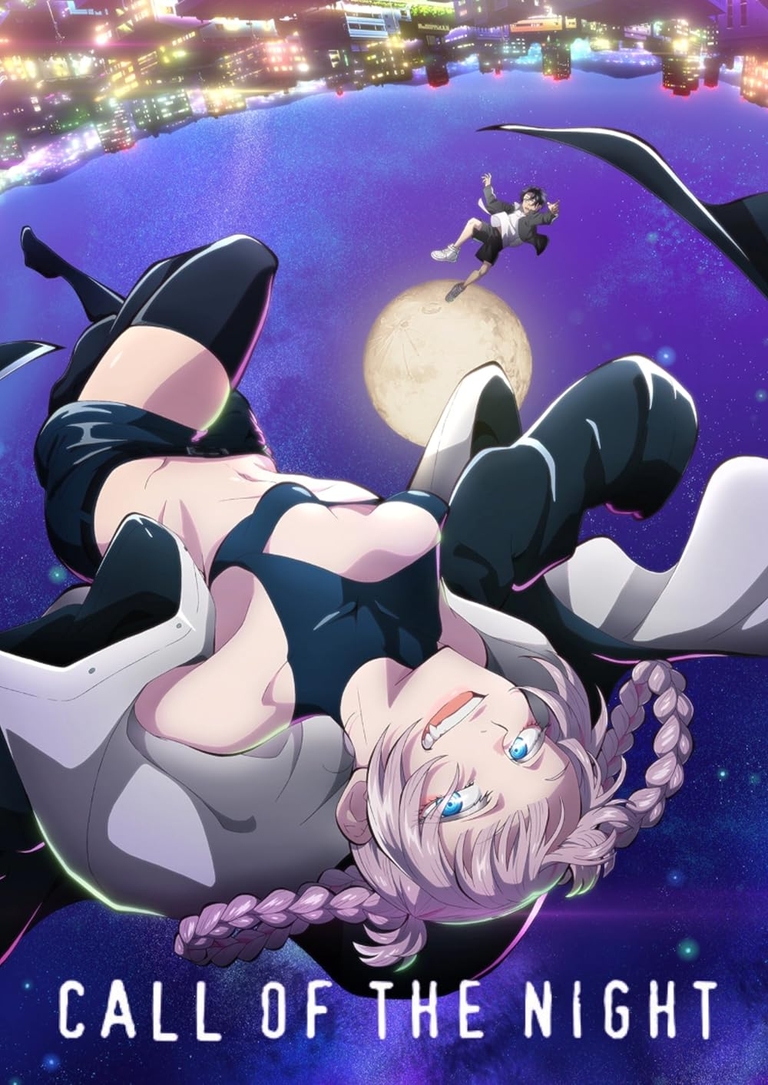
The character designs come straight from Kotoyama's manga style, recognizable if you've seen Dagashi Kashi. The angular faces and sharp eyes give everyone a slightly alien appearance that fits the supernatural setting. Nazuna in particular looks wrong in a good way, like she's not quite human even when she's just standing there.
The animation saves its energy for the moments that matter. Fight scenes happen, but they're brief and impactful. Most episodes feature Kou and Nazuna walking around, sitting on rooftops, or talking in her messy apartment. That's the point. The show wants you to feel the slow passage of time that happens when you're avoiding sleep. It wants you to notice the hum of vending machines and the way streetlights reflect on wet pavement.
That Creepy Nuts Soundtrack
The music choices for Call of the Night weren't safe bets. The rap duo Creepy Nuts provided the opening theme "Yofukashi no Uta," the ending "Fukakouryoku," and several insert songs including "Datenshi." Their hip-hop beats mixed with jazz elements match the nocturnal vibe perfectly. The tracks use low-tempo rhythms and filtered instruments that sound like they're coming through a wall from a club three blocks away.
The OST knows when to be quiet and when to drop a bass line. Scenes of Kou walking alone use minimal sound. When Nazuna shows up, the music shifts to something with more energy. It's like the soundtrack itself is keeping time with their heartbeats. The opening theme immediately tells you what kind of show this is. It's not about high school drama or saving the world. It's about cruising through the city at midnight with nowhere specific to be.
The insert song "Datenshi" plays during key moments throughout the series, and somehow it never gets old despite being used frequently. The lyrics talk about fallen angels and nighttime activities that fit the show's themes of transgression and freedom. Even if you don't understand Japanese, the flow of the rapping matches the rhythm of the animation. Some Reddit users have called the soundtrack one of the best parts of the experience.
Kou and Nazuna's Complicated Arrangement
The relationship between these two drives everything, and it's messy in a way that feels real. Kou is fourteen years old, antisocial, and confused about why he doesn't feel romantic attraction like his classmates. He rejected a girl's confession before the series started and felt guilty about not feeling anything. Nazuna looks like a teenager but she's been a vampire for decades. She feeds on blood but she's picky about her victims. She won't turn Kou into a vampire just because he asks nicely.
This creates a strange pressure cooker of a friendship where the lines are constantly blurred. They sleep in the same bed. She bites his neck regularly, which the show treats with both the awkwardness and the intimacy it deserves. Blood drinking is portrayed as embarrassing for Kou, almost sexual but not quite, mixing pleasure with vulnerability. But they aren't dating. They might not even be friends in the traditional sense. She teaches him about the city at night while he provides food. It's transactional and intimate at the same time.
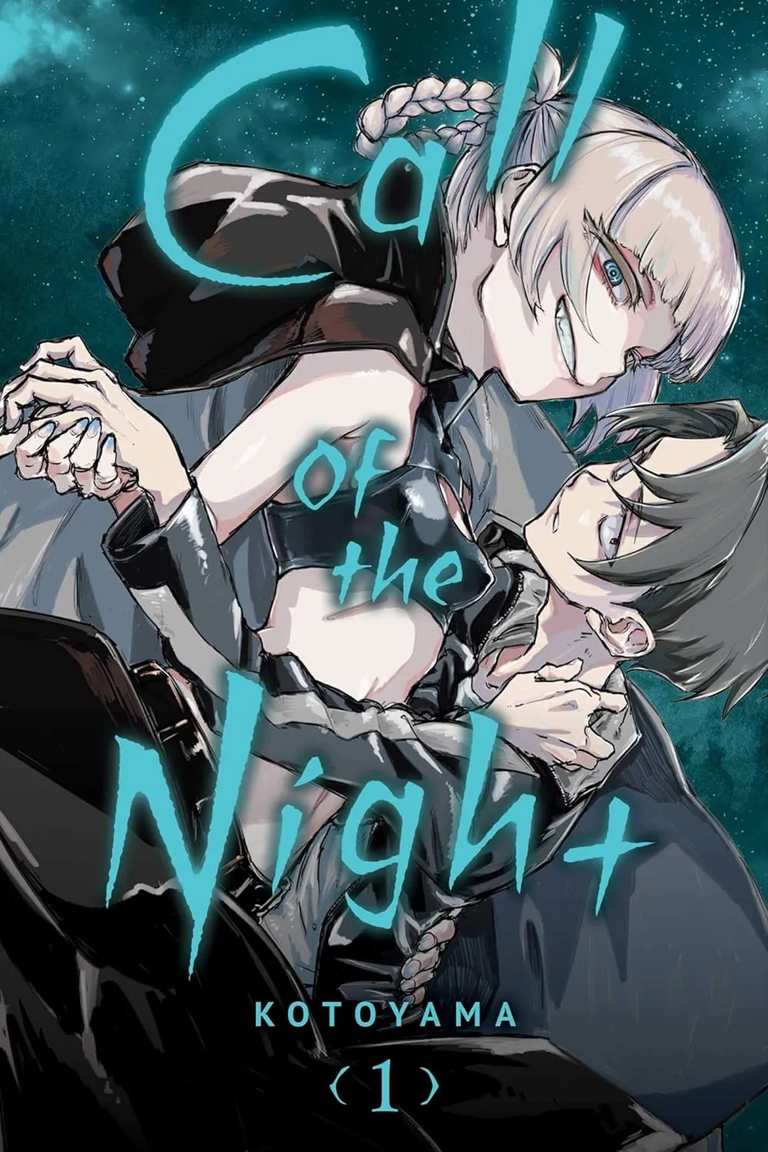
Some viewers get hung up on the age gap. Nazuna is technically an adult in a teenager's body. The show handles this by keeping her emotionally stunted. She doesn't act like a mature adult. She acts like someone who never grew up because she never had to face consequences. Kou is often the one pushing for emotional connection while she's hesitant and teasing. It flips the usual script where the older character guides the younger one. Here, Kou is exploring his feelings while Nazuna seems stuck.
The Vampire Rules and World Building
Most vampire stories use the monster as a symbol for sex or disease or addiction. This one uses vampires to talk about emotional walls and the difficulty of genuine connection. You can't become a vampire through force. You can't do it by accident. It requires mutual vulnerability and love. That's a solid hook for a romance anime, even if the "one year deadline" that the other vampires impose on Kou feels a bit contrived to create urgency and tension.
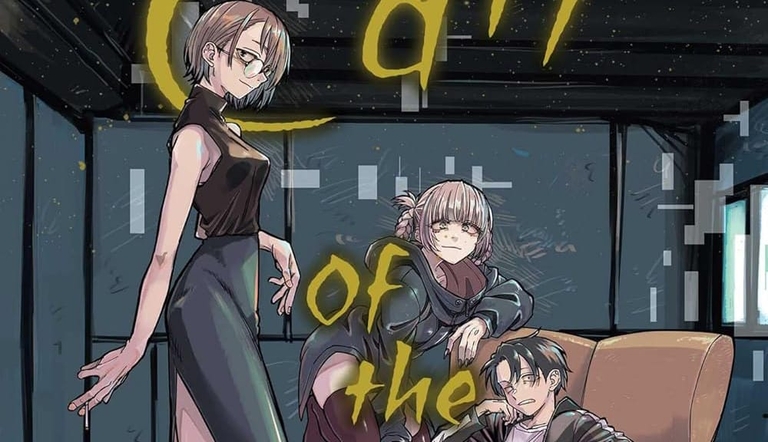
The show introduces other vampires slowly throughout the first season. Seri is loud and aggressive, representing a vampire who embraces the predatory nature of their existence. Kabura is mysterious and maternal, showing a softer side of immortality. Nico acts as a leader among them, enforcing the rules that keep vampires hidden from society. They each represent different approaches to living forever. Watching them interact with Kou, who is still deciding if he even wants to live forever, creates genuine conflict without needing constant action set pieces.
If Kou fails to fall in love with Nazuna within the year, the other vampires will kill him to protect their secret. This raises the stakes beyond simple romance. Kou has to figure out his own emotions quickly, which is difficult for someone who questions whether he's capable of love at all. The show suggests he might be on the asexual or aromantic spectrum, and it doesn't treat that as something to fix. It treats it as a part of his character that makes the vampire transformation more complicated. MyAnimeList reviews often point out how this complexity separates it from standard rom-coms.
Season Two Goes Darker
If you only watched the first season, you missed where the story gets really heavy. Season two introduces Kyouko Mejiro, a detective whose parents were killed by vampires. She knows specific ways to kill them: destroy the objects they cherished from their human lives. These mementos anchor vampires to their humanity, and without them, they lose their immortality.
This mechanic forces every vampire character to confront their past. Some try to destroy their own mementos to sever their connection to humanity voluntarily. We learn Nazuna's backstory about her mother and how Kabura took care of her after her parents abandoned her. These revelations add layers to characters who seemed simple in the first season. Season 2 coverage notes how the storytelling becomes fantastic from start to finish with immaculate pacing.
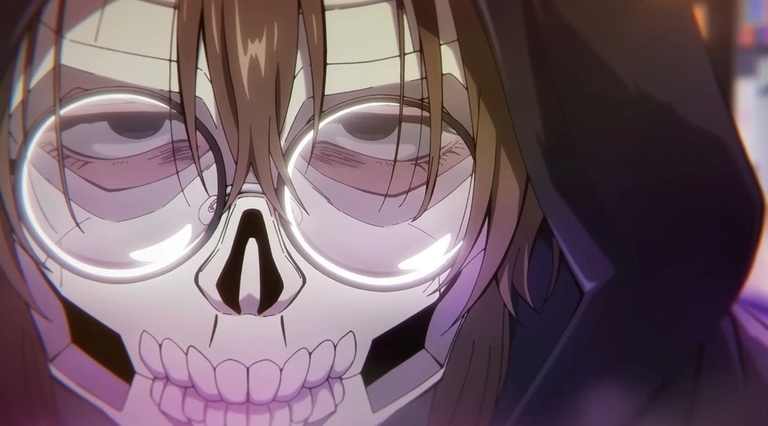
The second season shifts from episodic adventures to a continuous plot about vampire hunters and the cost of immortality. Kyouko attempts an elaborate suicide plan by fighting the vampires, pushing herself to her mental and emotional limits. The animation remains gorgeous, but the emotional beats hit harder because you spent the first twelve episodes getting to know these characters.
Some fans prefer the chill vibe of the first season and feel the second season gets too dark. Others appreciate that the story acknowledges you can't stay in limbo forever. Kou has to decide if he's going to commit to this life or go back to being human. The show forces that choice by bringing in people who have lost everything to vampires, showing that the supernatural world isn't just fun and games.
The Side Characters Keep It Grounded
While Kou and Nazuna take up most of the screen time, the supporting cast prevents the show from feeling too isolated. Akira Asai is Kou's childhood friend who notices his weird new schedule. She grounds the story in reality because she represents the normal life Kou left behind. She goes to school. She worries about him. She tries to understand why he's drifting away but can't quite bridge the gap.
The other vampires each get moments to shine. Hatsuka is a male vampire who introduces different energy to the group. His interactions with Kou show that vampire society has its own politics and hierarchies that Kou doesn't understand yet. The show hints at a larger structure without explaining everything at once, which keeps the mystery alive.
Even random night owls that Kou meets during his walks serve a purpose. They show that Kou isn't the only person awake at odd hours. There are delivery drivers, convenience store workers, and other insomniacs populating the city. The night isn't empty. It's just populated by people who don't fit into the 9-to-5 world.
The Romance Question
One of the most interesting things about Call of the Night is how it handles the question of whether Kou and Nazuna are actually falling in love or just forming a weird codependent friendship. The show refuses to give easy answers. Kou admits he doesn't know what love feels like. Nazuna seems afraid of it. Their relationship develops through shared experiences rather than dramatic confessions.
This ambiguity frustrates some viewers who want clear progress. They want to see Kou transform or for them to officially start dating. But the show is more interested in exploring what attraction means when you remove the social scripts. Without school or family expectations, without the pressure to perform normalcy, what do these two people actually mean to each other?
The blood drinking complicates this further. It's intimate. It's physical. But it's also predatory on Nazuna's part and survival-based for her. The show walks a thin line between romanticizing the vampire bite and showing it as a real violation of boundaries that requires trust. This complexity is what separates it from simpler supernatural romances.
Technical Details and Release Information
The first season aired in 2022 with thirteen episodes. The second season followed, expanding the episode count and the scope of the story. Sentai Filmworks licensed it for North America, streaming on HiDive. The English dub exists, though some fans argue the Japanese voice acting captures Nazuna's teasing tone better. Sora Amamiya voices Nazuna in Japanese, bringing a lazy, singsong quality to the character that fits her "I don't care about anything" attitude.
The production values remained consistent between seasons, which is rare for anime. Liden Films clearly cared about maintaining that specific nighttime aesthetic. The consistency helps sell the passage of time in the story, showing that these characters are living in this altered schedule for months on end. IMDb user reviews frequently mention the superb artwork and liken it to a moving painting.
Call of the Night Anime Review: Final Thoughts
Call of the Night anime review scores on sites like MyAnimeList don't capture what makes this special. You can't rate the feeling of watching the sky turn purple at dawn. You can't quantify how relatable Kou's insomnia is to anyone who's ever felt out of step with normal schedules.
The show isn't perfect. Some episodes in the middle of season one feel like they tread water, repeating the same nighttime walks without advancing the plot. The vampire hunter plot in season two might be too dark for people who loved the chill vibe. But when it works, it works like nothing else. It's a love letter to the night and to anyone who feels like they don't fit into the daylight world.
If you haven't watched it, do it at night. Turn down the lights. Let the Creepy Nuts soundtrack wash over you. You might find yourself wanting to take a walk at 2 AM afterward. That's the point. The show wants you to embrace that quiet time when the world sleeps and you don't.
Frequently Asked Questions
Do Kou and Nazuna end up together in Call of the Night?
The anime ends before the manga's conclusion, so their relationship remains complicated and unresolved in the animated adaptation. Kou wants to become a vampire by falling in love with Nazuna, but whether he succeeds depends on continuing the story in future seasons or reading the manga.
Is Call of the Night appropriate for kids?
Not really. While it's not graphic horror, the show deals with mature themes like asexuality, emotional manipulation, and the age gap between a 14-year-old boy and a centuries-old vampire. There's also sexual tension around the blood-drinking scenes and some violence in the second season.
Does Call of the Night have a second season?
Yes, the second season expands the plot significantly by introducing vampire hunters and exploring the backstories of the vampire characters. It shifts from the episodic chill vibe of season one to a more continuous story with higher stakes.
What makes Call of the Night different from other vampire anime?
Instead of focusing on action or horror, it focuses on the atmosphere of urban nightlife and the emotional barriers between people. The vampires require mutual love to create new vampires, which turns the usual predatory dynamic into a story about vulnerability and connection.
Where can I watch Call of the Night?
The series streams on HiDive in North America. Sentai Filmworks produced the English dub, which is available alongside the original Japanese audio with subtitles.