
Chainsaw Man Anime Review and Analysis The Quiet Horror Beneath The Gore
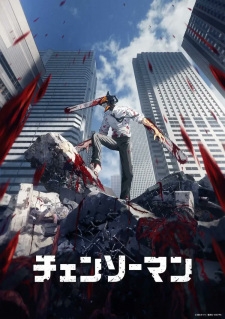
Chainsaw Man Anime Review and Analysis Starts With The Wrong Expectations
Everyone who watched Chainsaw Man expecting Demon Slayer with chainsaws walked away confused and kind of annoyed. That's not what this show is. The marketing sold blood and spinning blades, but the chainsaw man anime review and analysis that actually gets it focuses on the silences between the violence. MAPPA didn't make a hype action show. They made something slower, meaner, and way more interested in what happens when the fighting stops.
People complained the middle episodes were boring. They said the hotel arc killed the momentum. But that's the point. The show isn't about escalating power levels or training montages. It's about a kid who lived in a shed eating cigarette butts now experiencing air conditioning for the first time. Denji isn't trying to be the strongest. He wants to touch a breast and eat toast with jam. That's his entire motivation. And that's what makes the whole thing so weirdly heartbreaking.
The Animation Looks Too Real For Some Viewers
MAPPA made a weird choice with the cinematography. They used realistic facial expressions and reference-heavy movement that makes the characters feel like actual people instead of anime drawings. Denji's face contorts in ugly ways when he's scared. The lighting looks like a movie from the 70s. Some fans hated this. They wanted the high-energy color flashing of Jujutsu Kaisen or the manga's rough sketchy lines. Instead they got something muted and cinematic that looks more like a live action film than a typical shonen.
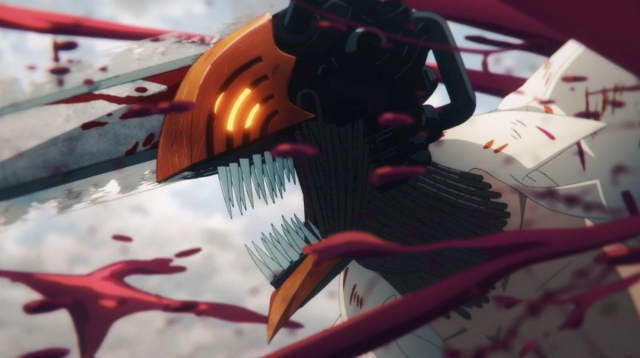
The CGI moments are rough in episode one, sure. But the 2D animation when Denji transforms and rips through devils is fluid and gross in the best way. The blood doesn't sparkle. It looks like actual fluid dynamics. When the Chainsaw Devil revs up, you can see the teeth grinding. The devil designs are creepy in a way that sticks with you, like the Eternity Devil's looping hotel corridors or the Katana Man's stitched together body. It looks wrong. That's the goal.
Denji Wants Bread And Friendship Not Heroism
Here's the thing about Denji that manga readers already know but anime-onlys took a while to get. He's not a hero. He's not even an anti-hero. He's a victim of capitalism who got superpowers by accident. The guy was selling his kidney and an eye to pay off his dad's yakuza debt before the show even starts. He doesn't want to save the world. He wants three meals a day and someone to hug him without hitting him afterward.
This social commentary on poverty hits harder when you realize every character in Public Safety is broken in some financial or emotional way. Aki is working to afford revenge. Kobeni is there because she has no other job options. Power just wants to save her cat. None of them are noble. They're scraping by in a system that chews up devil hunters and spits out corpses. When Denji gets excited about having his own apartment with a door that locks, it's not a joke. It's the first time he's ever had safety.
The Apartment Scenes Are The Real Story
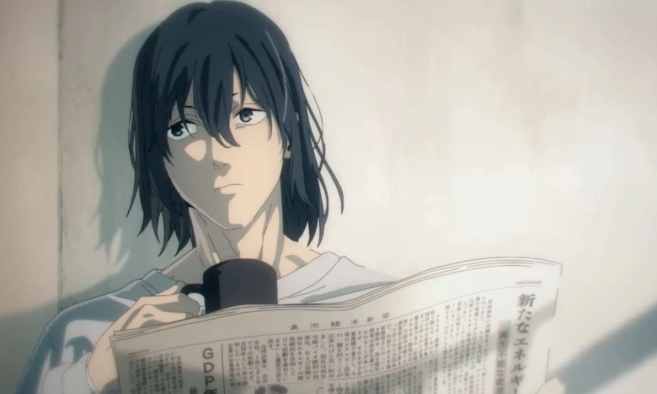
Forget the devil fights for a second. The best parts of season one happen in that tiny apartment where Aki, Power, and Denji form the world's most dysfunctional family unit. Aki trying to read the newspaper while Power steals his food and Denji begs for attention. These quiet moments where they just exist together carry more weight than any chainsaw fight because you know it won't last.
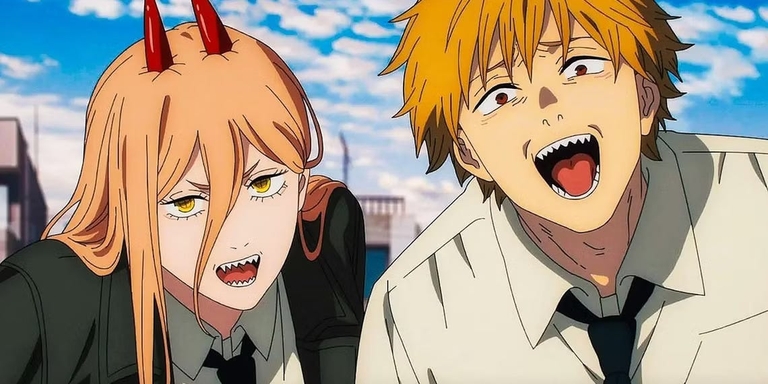
Power acts like a feral cat but she's a fiend who possessed a dead body and doesn't know how to human properly. Aki is grieving his family and trying not to care about these idiots he's stuck with. Denji is learning what boundaries are for the first time in his life. Watching them develop this weird platonic bond while knowing the show kills characters permanently like some messed up game of thrones creates this constant anxiety. You can't relax. The show trains you to expect loss.
Makima Is Grooming Him And Nobody Talks About It Enough
Makima isn't just a cool mysterious boss lady. She's the Control Devil. And her relationship with Denji is deeply uncomfortable in a way the show doesn't shy away from. She gives him affection exactly when he obeys and withholds it when he doesn't. She isolates him from Power by sending him on solo missions. She feeds him ideas about what he should want instead of letting him figure it out.
This manipulation works because Denji is starved for maternal affection and romantic attention and he doesn't know the difference. When he says he wants to be her dog, it's not a funny meme. It's a kid with severe trauma begging for structure from someone who sees him as a weapon. The show lets this sit there without explaining it. You're just watching grooming happen in real time and it feels gross because it's supposed to.
The Violence Actually Means Something
Yeah there's blood everywhere. Denji gets cut in half, devils eat people, limbs fly across the screen. But unlike other shows where characters shrug off massive injuries, the violence here has consequences. When Himeno loses her arm, she's traumatized. When Aki gets injured, he stays injured. The show doesn't let you forget that these are soft human bodies getting torn apart by monsters.
The gore serves the story instead of being gratuitous. It shows you what Denji is risking every time he pulls that cord in his chest. He's not immortal. He's just harder to kill. And every regeneration takes something out of him. The fights feel desperate and messy because they are. There's no clean choreography. Just two things trying to murder each other before they run out of blood.
Why The Middle Episodes Feel Like They Drag
Around episodes five through eight, the pacing drops off a cliff. The Eternity Devil hotel arc takes forever. New characters show up, do nothing memorable, and leave. A lot of viewers checked out here because it feels like the show lost its way after the strong opening.
But this stretch is doing important setup work. It's showing you how boring and terrifying the job actually is. Devil hunting isn't non-stop action. It's sitting in a room watching a devil regenerate while you slowly starve. It's office politics and paperwork. The show wants you to feel the monotony so that when the violence hits again, it disrupts your comfort. Some people call this bad pacing. Others call it atmosphere. Either way, it's intentional.
The Soundtrack Knows When To Shut Up
Kensuke Ushio composed the score and he understands something a lot of anime composers don't. Silence is louder than noise. There are entire scenes with no music, just the sound of breathing or ambient city noise. When the music does hit, it's this pulsing electronic stuff that sounds like a migraine feels. It doesn't cheer you on during fights. It makes you anxious.
Then there are the twelve different ending songs. Every episode gets a new track by a different artist. Some are calm indie rock, others are chaotic noise. They all fit the specific emotional beat of that particular episode. It's a flex by MAPPA that also serves the story, giving each chapter its own flavor instead of the same repetitive theme song.
What Season One Actually Covers
If you're wondering where the story goes after episode twelve, you're in for a wait. The anime only adapts the first two arcs of the manga, ending around chapter 38. It stops right before the Reze Arc which is getting its own movie. So season one is basically a prologue. It introduces the characters, establishes the tone, and then drops you off a cliff.
This frustrates people who want a complete story. But Chainsaw Man was never going to fit in twelve episodes. The manga has over a hundred chapters and it's still going. What you get in season one is a character study of Denji learning to want things beyond survival, and a setup for the absolute chaos that comes later when the Gun Devil actually shows up and the international assassins arrive.
It Subverts Shonen Tropes By Being Honest About Trauma
Most shonen heroes get stronger through friendship and willpower. They overcome their pasts through sheer determination. Denji doesn't get over his trauma. He copes poorly. He develops unhealthy attachments. He makes terrible decisions because he doesn't know any better. When bad things happen to him, they don't make him stronger. They just add to the pile of things he has to carry.
This is what separates Chainsaw Man from series like Jujutsu Kaisen or My Hero Academia. It's not about growing through adversity. It's about surviving despite it. The power system isn't fair. Hard work doesn't guarantee safety. Good people die randomly. Evil people succeed because the system is built to let them. It's a cynical show that still manages to be funny, which is a hard balance to strike.
The Supporting Cast Deserves More Love
Kobeni's car is the best character and I'm not joking. But seriously, the side characters in Division 4 are weird and specific in ways that make the world feel lived in. Kobeni is a crybaby who becomes terrifying when backed into a corner. Kishibe is the washed up mentor who drinks too much but sees through Makima's lies. Beam is a shark fiend who worships Denji as a god.
These characters aren't just cannon fodder despite what the show wants you to think. They have their own agendas and fears. The show takes time to show you who they are before it hurts them. That's what makes it sting when things go bad. You remember that Kobeni just wanted to go to college and that Himeno wanted to protect Aki from the future she saw coming.
Comparing The Anime To The Manga Expectations
Manga readers expected something faster and more chaotic. The manga has a rough, sketchy energy with panels that feel like they're vibrating off the page. The anime went for slow, contemplative, and cinematic. This confused a lot of fans who thought they were getting Dandadan energy but with chainsaws.
Director Ryū Nakayama chose to focus on the quiet horror instead of the spectacle. He lets shots linger. He uses natural lighting. He doesn't rush the emotional beats. Some call this pretentious. Others call it faithful to the tone of the story which is more about isolation and longing than it is about cool fight scenes. The anime isn't an upgrade or a downgrade. It's a different interpretation that prioritizes different things.
Why The Hype Hurt The Show
Chainsaw Man was billed as the next big thing before it even aired. The manga sales were massive. The trailers looked incredible. So when the actual show turned out to be a slow character study with occasional bursts of gore, people felt let down. They wanted episode one energy for twelve straight episodes. Instead they got episode seven where Denji and Power just talk about nightmares.
The hype created impossible standards. No show could live up to being called the savior of anime or the smartest social commentary ever made. When you strip away the marketing though, what you have is a solid adaptation of a weird manga that takes risks with its pacing and character work. It's good. It's not perfect. But it's way more interesting than another generic battle shonen.
Final Thoughts On Whether You Should Watch
If you need your protagonists to have noble goals and your plots to have clear victories, skip this one. Chainsaw Man is messy, uncomfortable, and often depressing. The characters are jerks who hurt each other. The world is cruel without reason. But if you want to see an anime that treats its characters like real traumatized people instead of heroic archetypes, this chainsaw man anime review and analysis says give it a shot.
The animation is gorgeous when it counts. The voice acting captures that exhausted, beaten-down tone perfectly. And the story sticks with you in ways that cleaner, happier shows don't. Just know going in that season one is a setup. It's the opening act. The real chaos hasn't even started yet. But watching Denji learn that he deserves more than breadcrumbs is worth the ride, even if the ride is bloody and weird and makes you feel bad for laughing.

Frequently Asked Questions
How much of the manga does season one of Chainsaw Man cover?
It covers the first two arcs of the manga, ending around chapter 38. It introduces Denji, Power, Aki, and Makima while setting up the Public Safety Division 4 dynamics. The season stops before the Reze Arc, which is getting its own movie adaptation. So it functions more as a character study and prologue than a complete story with a definitive ending.
Is the Chainsaw Man anime different from the manga?
Yeah but it's not the same vibe. The manga moves faster with rougher, more chaotic art. The anime slows things down with cinematic shots and realistic animation. Director Ryū Nakayama focused on atmosphere and quiet horror instead of non-stop action. Some manga fans were disappointed by the muted colors and slower pacing, but the anime captures the emotional isolation and trauma themes accurately.
Why is the main character Denji so weird compared to other anime heroes?
Denji isn't a typical shonen hero. He doesn't want to be the strongest or save the world. He's a broke kid who wants basic things like food, shelter, and physical affection because he grew up in extreme poverty. His motivation comes from surviving capitalist exploitation rather than heroic ideals. This makes him more realistic but also harder for some viewers to root for since he acts selfish and shortsighted.
Is Chainsaw Man appropriate for younger viewers?
It's rated R for graphic violence, gore, dismemberment, and sexual themes. The show features intense body horror, blood spray, and mature situations involving manipulation and grooming. While it has comedic moments, the tone is dark and cynical. Definitely not for kids or people who prefer clean shonen action without permanent consequences.