
Death Parade Anime Review and Themes That Still Hit Hard
Death Parade anime review and themes discussions usually miss how fundamentally broken the show's internal logic is from the very first episode. People get distracted by the pretty animation and that banger opening song and they don't stop to think about how the whole judgment system makes zero sense if you look at it for more than five seconds. But here's the thing. It doesn't matter. The show still works. It still guts you when it needs to because the people writing it understood something about regret and fear that most anime never touch.
The setup is simple. When two people die at the same time they wake up in a bar called Quindecim. They can't remember they're dead. A white-haired bartender named Decim tells them they have to play a game and the winner gets to leave while the loser dies. That's the lie. Really they're already dead and the game is just a way to stress them out enough to show their true colors so Decim can send one soul to be reincarnated and the other to the void. It's a neat trick. The memories come back during the game usually at the worst possible moment and people snap.
The problem is the show can't decide if this system is fair or not. Decim is supposed to be an arbiter which means he's an artificial being created specifically to judge souls. He can't feel emotions. That's rule number one for arbiters. But the whole point of the series is that he's bad at his job because he doesn't understand humans. So why did they make him that way? Nona his boss is running some experiment where she introduces human emotions into his design by giving him an assistant. This is where the show gets messy. Them Anime Reviews pointed out that the standalone stories vary wildly in quality and the main plot gets rushed at the end and they're right. The show spends eleven episodes hinting that the system is corrupt or at least flawed and then Oculus the guy who's supposedly second in line to God just shows up in the finale to say yeah actually we're all dummies and the system is fine or something. It's vague.
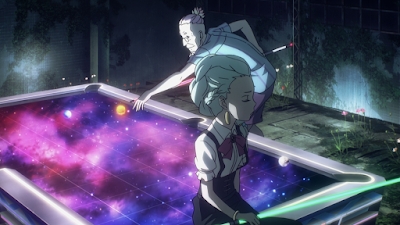
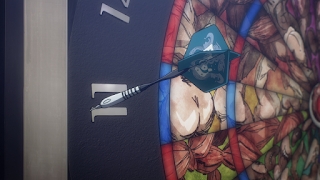
But while the mythology falls apart the individual episodes slap. The first episode with the married couple playing darts where you find out the husband has been poisoning the wife. The episode with the old couple playing pool on that galaxy table. The one called Death Counter with the detective and the young girl. These work because they don't lean on the Decim plot. They just trap two people in a room and watch them break. Someone on Reddit mentioned that the show is incredible and you should watch it and honestly for these standalone stories alone they're right. You don't need to know anything about arbiters or the void to feel the gut punch when someone realizes they wasted their life or when they choose to sacrifice themselves for a stranger.
The games themselves are a mixed bag. Sometimes they're bowling or arcade games or old maid. Sometimes they're darts with body parts on the line. The show uses the idea that extreme stress reveals your true self. Under the Fridge called it a pattern disrupt because it avoids the typical isekai or battle shonen tropes and they're spot on. It's just people playing bar games while having nervous breakdowns. But the rules are inconsistent. Decim says in episode two that the games are designed to make participants believe their lives are at stake so they'll show their darkness. But what if they refuse to play? What if they figure out they're dead? The show never addresses this. It assumes everyone just goes along with it which makes no sense when you think about how many people must die every day. Are millions of people just politely playing darts in bars across the afterlife? The world building is shallow and that's being generous.

Then there's the black-haired woman. Chiyuki. She shows up with no memories and becomes Decim's assistant. She's human or was human and she remembers dying eventually. Her whole deal is that she challenges Decim's judgments because she thinks it's unfair to judge someone based on their worst moment. She's right obviously. The show knows she's right. But then it doesn't know what to do with that. The review on Personafication tears the show apart for this saying the writing fails to create a cohesive story and honestly they're not wrong. Decim sends a deserving single mother to the void in episode four while letting a suicidal loser get reincarnated and the show plays it like a twist but it's just inconsistent characterization. He has no clear criteria. Sometimes he likes people who lived full lives and sometimes he doesn't. It's random.
But Chiyuki herself works. Her backstory when it finally comes is brutal. She was an ice skater who lost her ability to compete and killed herself. There's this scene in episode eleven where she skates in Decim's memories or whatever and it's just silent. No dialogue. Just her moving on the ice. That's the kind of visual storytelling that makes the show worth watching even when the plot is a mess. It doesn't need words. You see her passion and her loss and it hurts.
The other arbiters are wasted potential. Ginti the redhead who runs another floor gets an episode or two but his whole character is just being angry and having a cat. He judges this kid harshly and the show implies he's wrong but then never follows up. Nona is supposed to be wise and mysterious but she just stands around looking concerned for twelve episodes. Oculus shows up at the end to be a villain but he doesn't do anything. He just explains the rules in a way that contradicts earlier episodes. Apparently arbiters are made from voided souls which raises questions about who judged the first souls before there were arbiters. The show doesn't care. It just wants to end.

The soundtrack though. The opening Flyers by Bradio is this upbeat funky jazz number that makes zero sense for a show about death but that's why it works. It's jarring. You get hyped up and then the episode starts and someone is crying about their dead wife. The Review Monster mentioned that the OP suggests a cheerful tone but the show is far from it and that's the point. The contrast keeps you off balance. The ending theme Last Theater is more appropriately sad but forgettable. The background music is all smooth jazz and electronic stuff that makes the bar feel classy but empty which fits.
Animation wise it's solid. Madhouse always delivers. The lighting is the real star. Quindecim is always dim with these pops of color from the game machines or the drinks. It looks expensive. The character designs are distinct. You can tell an arbiter from a human immediately just by the eyes. Decim's eyes are weird and colorful while human eyes look normal. It's a simple trick but it works. The flashbacks to the living world are usually brighter and more detailed which makes the return to the bar feel like a letdown every time. That's intentional.
The themes are where the show earns its keep even with the sloppy execution. It asks if you can really know a person based on one bad day. It asks if judgment is even possible without empathy. Decim learns emotions throughout the series but the question is does that make him a better judge or a worse one? Typelish noted that the show is about moral ambiguity and that's true. It doesn't give answers. It just shows you people at their worst and asks if they deserve another chance. The suicide episode hits different. The one with the couple where both die in the accident and have to accept it. These aren't happy stories. They're about the weight of choices you can't take back.
The finale is the weak point. After building up this whole system as potentially corrupt or at least in need of change the ending just kind of shrugs. Chiyuki gets judged and Decim cries which he's not supposed to be able to do and then... that's it. She goes to be reincarnated or maybe becomes an arbiter or something. It's unclear. Oculus says the system will continue. Nona's experiment is deemed a success or maybe a failure. Nothing changes but we're supposed to feel like something did. It leaves too many threads hanging. MAL reviews mention that the conclusion is bittersweet but for me it's just incomplete.
So why recommend it? Because the journey matters more than the destination here. Each two-episode arc is a self-contained tragedy. You get to know these dead people just enough to care when they break. The games are creative. The animation is pretty. And even though the main plot is a mess the questions it raises stick with you. Would you want to be judged by someone who never lived? Can one good act redeem a life of selfishness? Is it fair to judge someone at their most terrified? The show doesn't answer these but it forces you to ask them.

It's also short. Twelve episodes. You can binge it in a weekend. The pacing is tight even when the logic is loose. No filler. Every episode moves forward or digs deep into someone's past. That's rare. Most anime pad their runtime with recaps or side quests. Death Parade doesn't have time for that. It puts two people in a room and lets them destroy each other or save each other and that's the whole show.
Death Parade anime review and themes conversations often get bogged down in whether the system makes sense but that's missing the point. The system is broken on purpose. The show is about broken things. Broken people broken afterlives broken judges. It's messy and weird and sometimes frustrating but it's honest about death in a way most media isn't. It doesn't promise heaven or threaten hell. It just promises an end and asks what you did with the time before it. That's enough to make it worth your time even if the ending leaves you hanging.
Frequently Asked Questions
What is Quindecim in Death Parade?
It's a bar in the afterlife where people who died at the same time are sent to play games that reveal their true natures so an arbiter can judge whether they get reincarnated or sent to the void.
Do I need to watch Death Billiards first?
Not really. It's a continuation of the 2013 OVA Death Billiards but you can jump straight into the series without watching the short first. The anime explains everything you need to know.
Is Death Parade worth watching?
Most fans say yes. The standalone episodes with new characters are consistently strong while the main plot about Decim and the arbiters gets rushed and confusing at the end.
What is the Death Parade opening song?
The opening is Flyers by Bradio. It's an upbeat funky jazz song that contrasts weirdly with the dark content of the show which is probably why people remember it so well.
Who is the black-haired woman in Death Parade?
She's a human who becomes Decim's assistant. She challenges his emotionless judgment methods and serves as the viewer's perspective on why the system might be unfair.