
Dragon Ball Super Broly Movie Analysis Breaking Down The Best Film
Dragon Ball Super Broly movie analysis has to start with the obvious. This film took a character who was a laughing stock in the 90s and turned him into the best villain the franchise has seen since Frieza first showed up. The original Broly movies were garbage. He hated Goku because babies cry in hospitals and he spent three films screaming about it while getting punched by Goku's family. It was stupid. This new version keeps the power but fixes everything else.
The movie works because it treats Broly like a person instead of a natural disaster. He's got this abusive father controlling him with a shock collar. He was stranded on a hell planet for decades. When he fights Goku and Vegeta, he's not trying to conquer the universe. He's just a scared kid who doesn't know how to stop hitting things. That emotional core makes the 40-minute fight scene at the end mean something. You're not just watching colors flash on screen. You're watching a tragedy unfold.
That's the magic trick this movie pulls off. It makes you care about the punches.
Why This Broly Works When The Old One Didn't
The 1993 version of Broly was just angry. That was his whole personality. He showed up, laughed, broke stuff, and got punched by Goku. He had zero motivation beyond hating Kakarot for crying next to him as an infant. It was lazy writing even by Dragon Ball standards. Dragon Ball Super Broly takes that same power level and wraps it around a character who earns your sympathy.
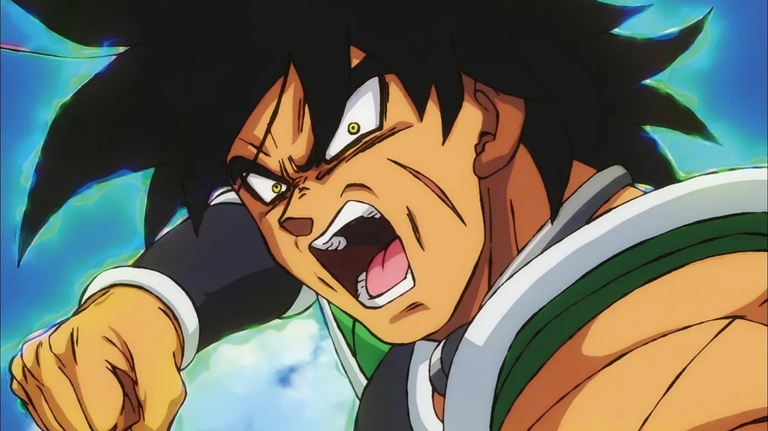
This Broly is gentle. The movie shows him on Planet Vampa feeding a giant alien monster and treating it like a pet. He doesn't want to fight. His dad Paragus forces him to. Paragus put a shock collar on his own son to make him angrier during battles. That's messed up and it changes how you view every punch Broly throws. He's not a villain. He's a weapon being aimed by a bitter old man.
When Frieza's soldiers find them and bring them to Earth, Broly doesn't want to kill Goku and Vegeta. He just wants to stop getting hurt. The movie makes this clear through his body language. He holds back. He tries to calm down. But Paragus keeps pushing the button on that remote and forcing him to transform. By the time he's in his full power state, he's not achieving a new level. He's having a breakdown.
The Father Son Problem
Paragus is the real antagonist here. In the old movies, he was just Broly's dad who wanted revenge on King Vegeta. Here, he's pathetic and controlling. He lost everything when King Vegeta exiled Broly to Vampa, so he decided to live through his son's fists. He trained Broly to hate Vegeta even though Vegeta was just a kid when the exile happened.
The movie doesn't shy away from how abusive this relationship is. There's a scene where Broly is fighting Vegeta and he's clearly holding back. You can see it in the animation. He's trying to stop but Paragus hits the button on the collar and forces him to keep going. It's uncomfortable to watch because you realize Broly has been living like this for years. The rage that makes him powerful isn't natural. It's trauma.
This changes the stakes completely. When Broly goes Super Saiyan against Goku, it isn't a celebration. It's horrifying. The music shifts. The colors get darker. He's lashing out at the world because he thinks everyone is going to hurt him like his dad did. Some fans noted that this portrayal makes Broly sympathetic rather than scary, which is harder to pull off than just making him evil.
That Forty Minute Fight Scene
Let's talk about the obvious thing everyone mentions. The fight between Broly, Goku, and Vegeta lasts roughly 40 minutes without stopping. In any other movie that would be exhausting. Here it works because the location keeps changing and the power levels keep escalating in ways that make sense.
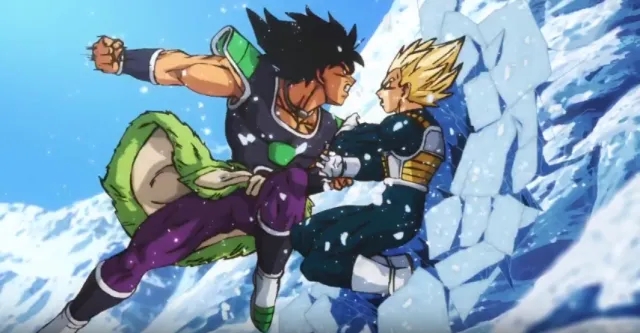
It starts in an arctic wasteland. Vegeta fights first and he's winning because he's got technique. Broly is just brawling. But Broly learns mid-fight. He adapts to Vegeta's style and starts landing hits. Vegeta has to go Super Saiyan God just to keep up. Then Goku steps in and they go through Blue forms. The environment gets obliterated. They fight through ice caves, open tundra, and rocky outcrops. The camera never stops moving.
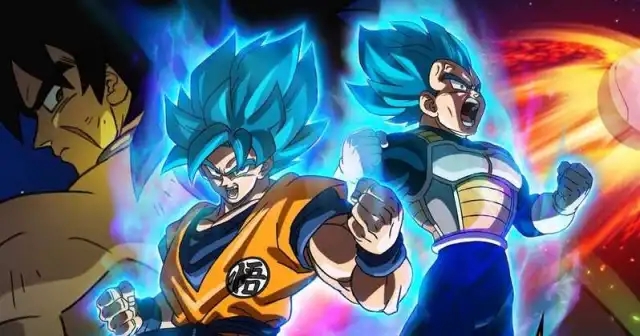
The choreography is different from the TV series too. Broly fights like a street fighter. He's wild and uses his whole body. He grabs Goku by the face and drags him across the ground. He headbutts Vegeta without warning. It looks painful because he's not using martial arts. He's just swinging with everything he has. Goku and Vegeta have to use perfect technique just to survive because if Broly lands one clean hit, it's over. One review pointed out that Broly's fighting style shows his lack of formal training compared to the heroes, which makes his raw power more impressive.
When CGI Helps And When It Doesn't
Toei Animation tried something new here. They blended traditional 2D hand-drawn animation with 3D CGI models for certain shots. Sometimes it looks incredible. When Broly powers up and the camera spins around him in 3D space, that works. It gives the transformation a sense of scale you can't get with 2D alone.
But other times it looks like a PlayStation 2 cutscene. There's a section where Gogeta is fighting Broly and they switch to CGI for the rapid movement. It gets blurry and the models look plastic. It's jarring because the 2D animation in this movie is so good. The line work is thick and dark like the old days. The shading has depth. When they switch to CGI, it feels cheap.
They should have picked one style and stuck with it. Still, when it's 2D, it's the best Dragon Ball has ever looked. Every punch has weight. When Broly hits the ground, the ice shatters with detail you can see. The particle effects don't overwhelm the characters. It's clean.
Fixing The Canon
One of the smartest things this movie does is clean up the Saiyan backstory. For years, fans had this non-canon Bardock special from the 90s that everyone accepted as fact even though Toriyama didn't write it. Dragon Ball Super Broly takes that story and makes it official, but fixes the parts that didn't make sense.
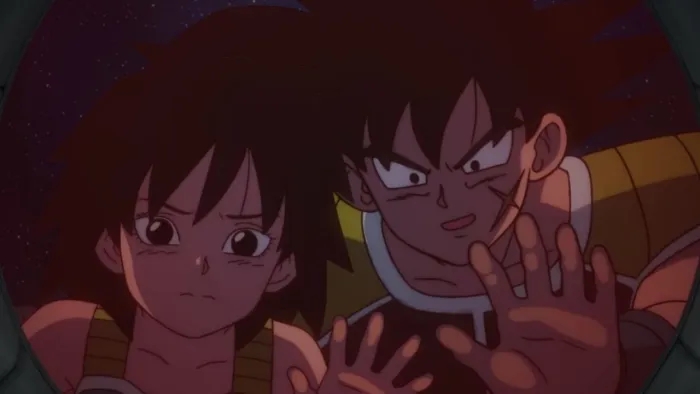
They introduce Gine, Goku's mom. She's a low-class Saiyan who actually cares about her kids. In the old special, Bardock was this lone wolf who sent Goku away as an afterthought. Here, Gine helps him. They send Goku away together because they love him. It makes the destruction of Planet Vegeta hit harder because you see parents trying to save their child instead of just a soldier making a tactical decision.
You also see King Vegeta being jealous of Broly's power. He finds out baby Broly has a higher power level than his own son, so he exiles Broly to Vampa out of spite. This establishes why Broly hates Vegeta without making it stupid. It's political. It's petty. It fits with what we know about Saiyan culture.
This ties the three main Saiyans together perfectly. Goku is the low-class warrior who became a hero. Vegeta is the prince who lost his kingdom. Broly is the weapon who never got to choose his life. They're the last three full-blooded Saiyans and they represent different reactions to the same trauma. That's solid writing.
The Sound Design Issues
The music is a mixed bag. Norihito Sumitomo composed some tracks that fit perfectly. The theme when Broly goes full power has this chaotic chanting that sounds like a cult ritual. It fits the character. But the mixing is terrible sometimes.
The music overpowers the dialogue in several scenes. When Broly is talking to Cheelai about his past, the background score is so loud you can barely hear him. The same thing happens during some of the fight scenes. The sound effects for the punches and energy blasts are cranked up so high they drown out the voice actors.
Vic Mignogna played Broly in the English dub and delivered a performance full of pain and confusion. Whether you like the actor or not, he sold the character's suffering. But the audio levels make him hard to understand during the roars. The Japanese track is cleaner but still has balance issues. It's a technical flaw that keeps the movie from being perfect.
Why Frieza Works Here
Frieza showing up could have been pure fanservice. Instead, they gave him a motivation that fits his character perfectly. He wants to use the Dragon Balls to become taller. It's petty and stupid and exactly what Frieza would care about. He's a tyrant who obsesses over his appearance.
He also serves as the trigger for the final battle. He figures out that Broly will transform into a Super Saiyan if he experiences enough trauma. So Frieza kills Paragus in front of Broly, mimicking how Krillin's death triggered Goku's first Super Saiyan transformation on Namek. That's clever writing. It shows Frieza learned from his past mistakes but he's still evil enough to use child abuse as a tactical weapon.
His interactions with Broly are creepy. He talks down to him like he's a tool. When Broly beats him senseless later in the film, it's satisfying because Frieza deserved every punch. He thought he could control this weapon and he got destroyed for it.
Cheelai And Lemo Matter
The movie introduces two new characters who serve as the emotional grounding for Broly. Cheelai and Lemo are Frieza Force deserters who find Broly and Paragus on Vampa. They aren't fighters. They're just trying to survive.
Cheelai is the one who takes the collar controller from Paragus and destroys it. She's the first person to show Broly kindness without wanting something in return. Lemo is older and more cynical but he looks out for Broly too. They give Broly a support system that isn't his abusive father.
At the end of the movie, when Gogeta is about to kill Broly, Cheelai uses the Dragon Balls to wish Broly back to Vampa. She saves his life. This is important because it means Broly has friends now. He isn't alone. That sets up future appearances where he could be an ally instead of a villain. It gives the character somewhere to go beyond just fighting Goku again.
Gogeta And The Fusion Dance
The film brings back Gogeta, which is what everyone wanted to see. Goku and Vegeta use the fusion dance instead of the Potara earrings to become one warrior. They mess it up twice before getting it right. The failed attempts are funny without killing the tension. You've got Vegeta practicing the poses while Goku laughs at him.
When Gogeta actually appears, he dominates the fight. The battle between Gogeta and Broly is faster and cleaner than anything before it. Gogeta isn't holding back because he knows Broly can take the punishment. He uses the Stardust Breaker and Kamehameha waves at full power.
The power scaling here is nuts. Broly is keeping up with a fused warrior who should be exponentially stronger than either Goku or Vegeta alone. This establishes Broly as potentially the strongest mortal in Universe 7. The only reason Broly survives is because Cheelai wishes him away before Gogeta lands the killing blow. That's how dangerous the fight got. The heroes had to use the Dragon Balls as a defensive tool instead of an offensive one. Apparently, this was the first time fans saw Gogeta in canon, making the fusion sequence particularly important.
Accessibility For New Viewers
Most Dragon Ball movies require homework. You need to know who Buu is, or Cell, or what the Tournament of Power was. This one doesn't. The first act explains everything you need to know about Saiyans, Frieza, and the Dragon Balls.
Sure, it helps if you know Goku and Vegeta are rivals. But the movie explains their backstories through the Planet Vegeta flashbacks. You learn why Frieza is bad. You learn why Broly is angry. You don't need to watch 300 episodes of Z or Super to understand the emotional beats.
This is why the movie brought in new fans. It works as a standalone action film. The character drama between Broly and his dad is self-contained. The comedy with Bulma wanting to be younger and Frieza wanting to be taller doesn't require prior knowledge. It's just good writing that assumes the audience is smart enough to keep up. I saw some data that said the film stands on its own better than previous entries, making it a solid entry point.
How It Compares To The 90s Films
People who grew up with the original Broly movies have nostalgia for them. Those films were bad. The first one had that stupid crying backstory. The second and third movies had Broly coming back as a clone or a slime monster. They were cash grabs with no soul.
Dragon Ball Super Broly ignores all of that. It takes the one cool thing about the old films, the idea of a Legendary Super Saiyan with green hair, and builds a real story around it. The green hair is explained here as a different transformation path caused by the berserk state. It's not just a recolor. It's a visual indicator that Broly has lost control.
The old movies had Broly punching Goku through mountains while laughing. This movie has Broly crying while he punches because he doesn't want to hurt anyone. That contrast is everything. It shows how far anime storytelling has come since the 90s.
The Beerus And Bulla Subplot
While the main story is happening, there's this weird comedy subplot where Beerus is babysitting Bulla, Vegeta's daughter. It shouldn't work but it does. Beerus is this god of destruction who destroys planets on a whim, and he's holding a baby and complaining about her crying.
It breaks up the tension without feeling forced. Dragon Ball has always mixed comedy with action. Here, the comedy happens while Broly is on his way to Earth. It reminds you that this universe keeps moving even while the tragedy is unfolding. Plus, it gives Bulma a reason to be involved. She wants the Dragon Balls to look younger, which is funny, but she's also protecting her family.
Why The Pacing Works
The movie is exactly 100 minutes long. The first 30 minutes are all backstory on Planet Vegeta and Vampa. The next 30 minutes are setup and character interactions on Earth. The final 40 minutes are just fighting.
Some people say the first hour is slow. They're wrong. That hour is what makes the final 40 minutes matter. Without seeing Broly suffer on Vampa, you don't care when he explodes on Earth. Without seeing Paragus control him, you don't feel the relief when that collar gets destroyed. Without seeing Bardock and Gine send Goku away, you don't understand why Goku keeps trying to talk to Broly instead of just killing him.
The structure is deliberate. It's a slow burn that pays off with an explosion. Most Dragon Ball movies rush to the fighting and then you're bored by the end because you don't care. This one makes you care first.
The Visual Upgrade From Super
The Dragon Ball Super TV series had budget problems. Everyone knows certain episodes looked rough. This movie got theatrical funding and it shows. The colors are richer and deeper. The backgrounds aren't just empty deserts. When they fight in the arctic, you can see individual snowflakes and ice crystals.
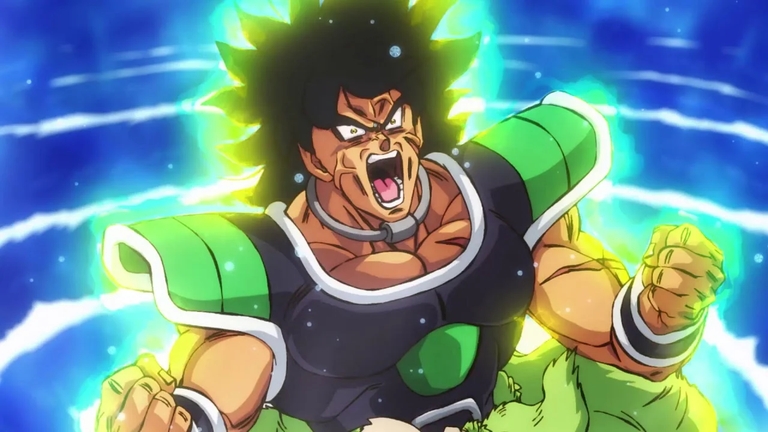
The character designs changed slightly too. The muscles look more defined and realistic. The hair has actual strands instead of being solid shapes. When Broly powers up, his hair doesn't just change color. It flows and moves like real hair would in that energy.
The lighting is darker and more dramatic. When Broly goes into his berserk form, the shadows on his face make him look like a horror movie monster. It's a maturity in the art style that fits the darker themes of abuse and trauma. This isn't just bright Saturday morning cartoon stuff. It looks like a real film.
The difference between the TV series and this film is night and day. The Super anime had episodes where characters went off-model constantly. Faces would stretch weirdly. The colors were washed out. Here, every frame looks like a promotional poster. Goku's orange gi has texture. You can see the fabric weave. Vegeta's armor reflects light properly. When they power up, the auras don't just glow. They cast light on the environment. Snow melts near Goku when he goes Blue. Rocks shatter from the pressure waves. It's attention to detail that respects the audience.
Also, the cinematography uses wider shots. The TV series always felt claustrophobic with tight zooms on faces. This movie pulls back. You can see the full body movements. When Broly does a backflip kick, you see his feet leave the ground and the rotation. It's animated by people who understand martial arts and weight distribution.
Dragon Ball Super Broly movie analysis always comes back to the same point. This is the best the franchise has ever been. It fixed a broken character. It delivered fights that mattered. It expanded the lore without contradicting anything important.
The film isn't perfect. The pacing drags slightly in the middle when Frieza's soldiers are explaining the plot. The CGI integration sometimes looks like a video game. The audio mixing is rough in spots. But the things it gets right, it gets perfect. Broly's character arc is better than anything in the Super series proper. The animation during the final 20 minutes is the best the franchise has ever produced.
If you watch one Dragon Ball movie, make it this one. You don't need to know the history. You don't need to tolerate a stupid villain motivation. It just gives you solid action with a heart. Broly isn't a monster anymore. He's just a guy who got dealt a bad hand and found some friends by the end. That's a better story than this franchise has told in years.
Frequently Asked Questions
Is Dragon Ball Super Broly canon to the main story?
Yes, Dragon Ball Super Broly is 100% canon. Unlike the original Broly movies from the 90s which were non-canon side stories, this film was written by Akira Toriyama and fits directly into the main timeline after the Tournament of Power arc. It retcons the old Broly movies out of existence and replaces them with this new version of the character.
How long is the fight scene in Dragon Ball Super Broly?
The main fight lasts approximately 40 minutes without stopping. It starts with Vegeta fighting Broly, then Goku steps in, and eventually Gogeta appears. The battle moves through multiple environments including arctic wastelands and destroyed landscapes while constantly escalating in power levels.
What's the difference between this Broly and the original Z version?
The old Broly was a one-dimensional villain who hated Goku because they were babies in the same hospital. He was pure evil and laughed while destroying planets. The new Broly is a tragic figure who was abused by his father and doesn't want to fight. He's gentle by nature but loses control due to trauma, making him sympathetic rather than purely evil.
Do I need to watch Dragon Ball Super before seeing this movie?
Not really. The movie includes flashbacks that explain the Saiyan race, Frieza's role in destroying Planet Vegeta, and who Goku and Vegeta are. While watching Dragon Ball Super helps you understand the current power levels like Super Saiyan Blue, the film works as a standalone story focused on Broly's origin.
Who wins between Gogeta and Broly?
Gogeta wins decisively. He dominates the fight once he appears, and Broly only survives because Cheelai uses the Dragon Balls to wish Broly back to Planet Vampa before Gogeta can deliver the final blow. The fight establishes that Gogeta is stronger, but Broly's ability to keep adapting made him a serious threat even to a fused warrior.