
Engaging Anime Discussion Topics That Spark Real Arguments
Most anime forums are dead zones filled with the same lazy question. "What should I watch next?" It's boring. It's lazy. Engaging anime discussion topics for fans should spark arguments, not endless lists of shows people will ignore anyway. You want to know who's serious about this medium? Start a fight about whether subtitles ruin the experience or if CGI is killing 2D animation. That's where the real meat is.
I've been in these trenches for years. I've watched communities die because everyone was too busy being polite to call out bad takes. The truth is, anime fans have opinions. Strong ones. But we keep asking safe questions because we're scared of starting arguments. That's backwards. Arguments are how we figure out what works and what doesn't. You don't learn anything from someone agreeing with you about Demon Slayer having pretty animation. Everyone knows that. You learn something when someone tells you why the writing is shallow trash and you have to defend it.
The real problem is most people don't know where to start. They think "Naruto or One Piece" is the only debate worth having. It's not. There's a whole range of topics that get at the heart of why we watch this stuff. From the technical garbage like animation techniques to the emotional stuff like whether a show earned its ending. These aren't just arguments. They're how we map out what makes this medium worth caring about.
Dubs Versus Subs Will Never Die
This is the big one. The eternal war. People pretend it's settled but it's not. Sub purists act like reading text while watching animation is some holy experience that dubs can never match. Dub fans claim they want to look at the art instead of the bottom third of the screen. Both sides have points but both are annoying about it.
The real discussion isn't about preference. It's about access and culture. Japanese voice acting has different acting traditions. They sound different because the language structure is different. English dubs sometimes rewrite lines to match lip flaps and lose meaning. Sometimes they add jokes that weren't there. But sometimes the English cast brings something new that works better for the material. The debate gets messy when you bring up specific performances. Steve Blum as Spike Spiegel is iconic. But is it better than the original? That's where friendships end.
Then there's the speed issue. Subs come out faster. You can watch Attack on Titan the same day it airs in Japan. Dubs take weeks or months. Some fans refuse to wait. Others would rather wait for a performance they can understand without reading. This isn't just about anime. It's about how you consume foreign media in general. Do you want the authentic experience even if you miss nuances in translation? Or do you want a localized version that might flow better in English? There's no right answer but people will fight like there is.
Shonen Versus Seinen Is About Maturity
People think this is just age ratings. It's not. Shonen targets boys, Seinen targets men. But the content differences are huge. Shonen jumps run on friendship, determination, and power levels. Seinen shows let characters die and stay dead. They deal with psychological breakdowns and moral gray areas that would never fly in a magazine aimed at twelve-year-olds.
The debate isn't which is better. It's about whether Shonen can ever achieve real emotional weight when you know the protagonist won't die. Can you feel tension in My Hero Academia when Deku has plot armor thicker than All Might's muscles? Seinen fans argue that without real stakes, you're just watching colorful punching. Shonen fans fire back that Seinen is just edgelord nonsense pretending to be deep. Both arguments are solid depending on which shows you're comparing.
Look at Berserk versus Dragon Ball. Both are fantasies with fighting. But Berserk shows you the cost of violence. Dragon Ball shows you cool laser beams. Neither is wrong. But they serve different purposes. The discussion gets interesting when a show tries to be both. Chainsaw Man runs in Shonen Jump but has Seinen themes. Does that make it smart or just confused? Fans can't agree.
CGI Animation Breaks Communities
This one divides old heads from new fans. Traditional 2D animation is dying. Everyone knows it. Computers are cheaper and faster. But does it look good? That's the fight. Some CGI anime looks like plastic dolls moving through syrup. Other times, like in Beastars or Dorohedoro, it creates movement that would be impossible with hand-drawn cells.
The annoying part is when studios use CGI for crowds or background characters and it looks like a different show entirely. Or when they CGI the mecha in a Gundam series and it feels weightless compared to the old hand-drawn robot fights. Fans who grew up on 90s cel animation see CGI as a cost-cutting betrayal. Fans who started with Netflix see it as normal. This topic gets heated because it touches on craft versus commerce.
There's also the issue of blending. Ufotable uses CGI backgrounds with 2D characters and it looks seamless. Other studios stick out like a sore thumb. The debate isn't just "CGI bad." It's about whether the technology is ready or if we're losing something irreplaceable. Hand-drawn animation has mistakes and imperfections that give it soul. CGI is perfect and sterile. Which do you want?
Fan Service Ruins Good Shows (Or Does It)
Here's where things get weird. Some people think any sexual content in anime is embarrassing and proves it's just cartoons for horny teenagers. Others argue that fan service is part of the medium's freedom and censorship is worse. The real debate centers on whether it breaks immersion.
You're watching a serious political thriller like Code Geass and suddenly there's a beach episode with jiggle physics. Does that ruin the tone? Or is it a needed break? Some shows integrate it into the plot like Food Wars where the reactions are literally the point. Others just throw in a hot springs episode because the manga had it and they needed to fill episode count. This discussion separates people who care about tone from people who just want to be entertained.
Then there's the gender issue. People argue about whether fan service objectifies women or if it's equal opportunity because sometimes guys get shirtless scenes too. It's a messy topic. But it matters because it affects how people view the medium. If every show has panty shots, it's hard to recommend anime to someone who wants a serious story. But if you remove all sexuality, you lose shows like Prison School or High School DxD that are unapologetic about what they are.
Filler Episodes And Pacing Kill Long Runners
Long running shows based on manga hit this wall constantly. The anime catches up to the source material and instead of waiting, they write original arcs that don't matter. Naruto is famous for this. The original series had over eighty episodes of filler that added nothing. Some fans argue filler lets side characters shine. Others say it's disrespectful to the viewer's time.
The debate gets interesting when you look at anime-only endings like the original Fullmetal Alchemist. Is it better to write your own conclusion or wait years for the manga to finish? Some fillers are genuinely good. The G-8 arc in One Piece is beloved and that wasn't in the manga. But most filler is trash that breaks pacing. This is a great topic because everyone has that one show they loved that got ruined by filler.
Pacing is the sister debate. One Piece has over a thousand episodes. Is that impressive or intimidating? The pacing slows to a crawl sometimes because the anime catches up to the manga. One chapter becomes one episode. It's painful. But some fans say the slow pace lets you live in the world. You spend years with these characters. Short shows end before you get attached. This topic asks whether quantity equals quality or if editing is more important than content.
Anime Versus Manga Adaptations
People fight about whether you should read the source material or wait for the animation. Manga readers always complain about skipped scenes. Anime-only fans don't want to read black and white comics. The discussion gets spicy when adaptations change endings or character motivations.
The Promised Neverland season two is a perfect example. They skipped entire arcs. Fans were furious. But sometimes the anime improves things. Kaguya-sama adds visual gags that enhance the comedy beyond the manga. Demon Slayer's animation elevates fights that were just okay on the page. This topic works because it forces people to compare mediums directly.
There's also the question of fidelity. Is a perfect 1:1 adaptation good if the manga has pacing issues? Or should directors take liberties to fix problems? The original Fruits Basket anime changed the ending and fans hated it. The 2019 remake followed the manga closely and was celebrated. But then you have something like the 2003 Fullmetal Alchemist which is different from the manga but still excellent. Does loyalty to the source matter more than making a good show?
The Big Three Still Matter
Naruto, Bleach, and One Piece defined the 2000s for English-speaking fans. People still argue about which had the best power system, which had the worst filler, and which protagonist is less annoying. These debates are nostalgic but also about legacy.
Some fans think One Piece is too long to be good anymore. Others think Naruto fell apart after the Pain arc. Bleach fans are still defending the Thousand Year Blood War. These aren't just shows, they're eras of people's lives. Arguing about them gets personal because you grew up with these characters.
The power system debates are the most technical. Naruto's chakra system has complex rules about nature transformations and kekkei genkai. Bleach has bankai and hollowfication. One Piece has devil fruits and haki. Which is more consistent? Which allows for better strategy? Fans will write essays about why Naruto's power creep ruined the series while One Piece maintained balance. It's nerdy and specific and perfect for killing time.
Isekai Is Oversaturated (And Mostly Bad)
Everyone's tired of "truck-kun" sending someone to another world. But the sub-genre keeps selling. The debate here is about creativity. Are there any original takes left? Shows like Re:Zero and Mushoku Tensei brought dark elements and real consequences. Others just copy the same game mechanics and harem setups.
Fans who hate isekai think it's power fantasy trash for losers who want to escape their lives. Fans who love it say it's no different than portal fantasy in Western literature. The truth is somewhere in the middle but the arguments are loud. The discussion usually centers on whether the genre has anything left to say or if it's just easy money for light novel authors.
Then there's the specific tropes. The overpowered protagonist. The slave harem. The "this world is actually a video game" mechanics. Which ones are deal breakers? Some fans will watch anything with a dragon in it. Others drop a show immediately if the main character checks his status screen in episode one. It's a divisive genre that always sparks arguments about quality versus entertainment.
Tournament Arcs Are Overdone
Shonen shows love tournament arcs. Dragon Ball had the Tenkaichi Budokai. Naruto had the Chunin Exams. My Hero Academia has the Sports Festival. They're easy to write because the structure is built in. Character A fights Character B, winner moves on.
Critics say they're padding. Just an excuse to have fights without advancing the plot. Defenders say they allow strategy and character matchups that wouldn't happen otherwise. Hunter x Hunter's Heaven's Arena is a tournament arc that reveals massive world-building. Yu Yu Hakusho's Dark Tournament is considered the best arc in the series. So are they good or lazy? That's the fight.
The real issue is predictability. You know the main character won't lose in round one. So you're just waiting to see how they win. But sometimes tournaments subvert this. Megumi loses in Jujutsu Kaisen. That shakes things up. The debate centers on whether tournaments are a necessary evil for shonen or if they're a crutch for writers who can't think of other ways to make characters fight.
Power Scaling Is Pointless But Addictive
"Could Goku beat Saitama?" "Could Naruto beat Ichigo?" These questions are stupid. Different universes have different rules. But fans love them. The debates center on feats. Goku destroyed a universe in Battle of Gods. Saitama destroyed a planet-busting attack with one punch. Who wins?
The math breaks down immediately because fiction isn't consistent. But the discussions are fun because you have to know both series inside and out. You have to argue about speed, durability, and hax abilities. It's nerdy and pointless but it gets people talking. The biggest anime debates often center on these matchups.
It gets worse when you bring in "hax" like time stop or reality warping. Can Goku punch someone who can erase him from existence? Does speed matter if one character is immortal? These discussions never end because there's no referee. But they're engaging because they require deep knowledge of both series' lore.
Opening Songs Matter More Than You Think
Skip the intro and you're a monster. That's the consensus. But which openings are worth watching? The debate covers music style, visual spoilers, and animation quality. Some openings spoil major deaths. Others have better animation than the actual show.
People fight about whether you should watch openings blind or if it's okay to skip after episode three. Then there's the sub-debate about English covers versus original Japanese tracks. This seems small but anime fans will defend their favorite OP with their lives. The best openings become part of the show's identity. Think of Attack on Titan's "Guren no Yumiya" or Cowboy Bebop's "Tank." They're inseparable from the experience.
Ending songs get less love but they're important too. A good ending can save a bad episode. Clannad After Story's ending hits different after certain plot points. The visual creativity in endings often exceeds openings because they have less pressure to be hype. Discussing why certain songs work is a great way to talk about music theory and emotional manipulation in media.
Character Archetypes: Tsundere Versus Yandere
Tsundere characters act mean but secretly like you. Yandere characters love you so much they'll kill everyone else. Which is better? Tsundere fans say they have better character development. Yandere fans say they're more interesting and less predictable.
This leads to discussions about outdated tropes. Are tsunderes just abusive now? Is the yandere appeal just edgy? It touches on how romance is portrayed in anime and whether these stereotypes are harmful or just fantasy. Taiga from Toradora is a tsundere done right. She's rough but has reasons. Compare that to older tsunderes who were just violent for no reason.
Then there's the wider field. Kuuderes. Danderes. Genki girls. Which archetypes are played out? Some fans think the cold kuudere type is more realistic than the hyperactive tsundere. Others think yanderes are the only ones who feel like they have real stakes in romance. It's a silly topic that gets surprisingly deep when you analyze why these archetypes exist in the first place.
Classic Versus Modern Animation
Old anime has a certain look. Film grain, cel animation, hand-painted backgrounds. New anime is digital, clean, sometimes sterile. Fans of old stuff say modern anime lacks soul. Fans of new stuff say old anime is ugly and poorly animated.
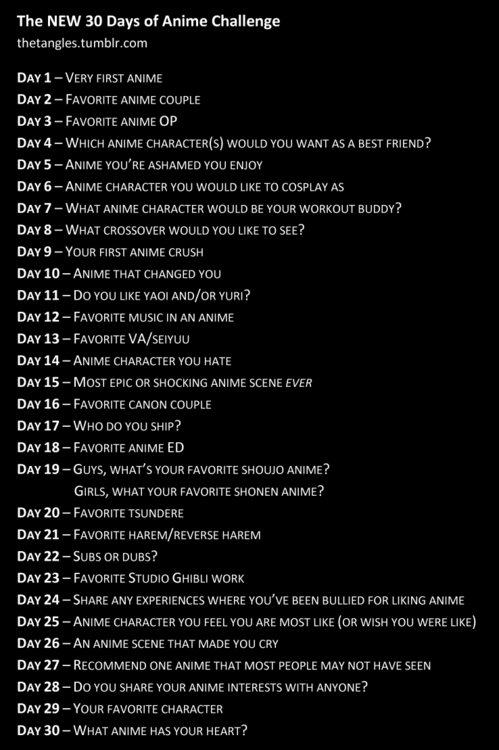
This gets into specific studios and time periods. The 90s had a gritty aesthetic that disappeared. The 2010s brought moe blobs and same-face syndrome. Which era had better art? It's subjective but people will fight about it. The 30 day anime challenge questions often ask about first anime watched, which ties into this nostalgia.
There's also the technical aspect. Old anime had to use shortcuts because of budget. Modern anime uses CGI for crowds and it looks weird. But modern anime also has consistent quality. Old anime had episodes that looked terrible because they outsourced them to Korea. Is consistency better than occasional brilliance?
Studio Loyalty Is Weird But Real
Some people will watch anything by Kyoto Animation or MAPPA or Trigger. They trust the studio's brand over the source material. Others say this is stupid because staff changes constantly. A studio can make a masterpiece then a disaster six months later.
Debating studio output means looking at consistency. Madhouse used to be untouchable. Now they're hit or miss. Ufotable makes pretty shows but their writing is sometimes weak. Is it fair to judge a show by its production company? This topic gets into the business side without being boring. It also lets you discuss specific directors and animators who move between studios.
Trigger fans will defend anything they make, even the weird shorts. Kyoto Animation fans are still emotional about the tragedy and defend their moe slice of life shows as high art. These loyalties create camps. You're either a Trigger person or a Kyoto person. Picking sides is half the fun.
The "Power Of Friendship" Is A Cop Out
Shonen protagonists win because they believe in their friends. It's a trope. Critics say it's bad writing. If determination alone let you win, then training arcs are meaningless. Defenders say it represents emotional bonds as strength.
This leads to discussions about ass-pulls. Did Naruto earn his power or did the Nine Tails do all the work? Did Deku deserve One For All? The power of friendship debate is really about whether emotional catharsis justifies plot conveniences. Fairy Tail is famous for this. The main character gets beaten for ten episodes then says "because you're my friend" and wins. Is that satisfying or lazy?
Some shows subvert it. Hunter x Hunter makes it clear that friendship doesn't stop a stronger opponent from killing you. That's why it's respected. The debate asks what we want from our fights. Realism or emotion?
Dark Anime Isn't Automatically Deep
Shows like Tokyo Ghoul and Elfen Lied get praised for being "mature" because they have blood and guts. Critics say this is just edge for edge's sake. Real darkness comes from themes, not gore. A show like March Comes in Like a Lion deals with depression and it's darker than any battle shonen.
The debate centers on what constitutes mature storytelling. Is Berserk mature because of the violence or because of the trauma and philosophy? Fans confuse darkness with quality. This is a good discussion because it separates people who want shock value from people who want substance.
It also covers horror anime. Why don't we get good horror anymore? Most "horror" anime is just gore porn. Corpse Party versus Perfect Blue. One is scary, one is just messy. Knowing the difference makes you a better critic.
Canon Versus Non-Canon Material
Movies are usually non-canon. Filler arcs are non-canon. But sometimes movies get referenced in the main story like Broly in Dragon Ball Super. This creates confusion about what "counts."
Fans debate whether you need to watch the movies to understand the show. Do the Naruto movies matter? Does the My Hero Academia movie fit into the timeline? It's a mess but it gets people talking about continuity. Purists say only the manga counts. Anime fans say the anime is the real version. This is especially heated with Dragon Ball where the canon is constantly shifting.
Then there's the light novel problem. Some shows adapt the manga but ignore the light novels. Some adapt the light novel but badly. What's the "real" story? It's a mess but it matters for discussions about plot holes.
Remakes Versus Originals
Fullmetal Alchemist Brotherhood versus the 2003 original. Hunter x Hunter 2011 versus 1999. Fruits Basket 2019 versus the original. Which is better? Purists say the original captured a magic that remakes lose. Remake fans say the new version has better pacing and animation.
This leads to discussions about loyalty to source material versus creative freedom. The 2003 FMA had an original ending that many prefer to the manga's. Is that valid or is the manga always king? The 2011 Hunter x Hunter is more complete but some miss the darker color palette of the 99 version.
It's also about nostalgia. If you saw the original first, you're biased. Admitting that is hard. These debates are great because they force people to articulate why they love something beyond "it was good."
Simulcast Culture Versus Binge Watching
New fans binge everything on Netflix. Old fans remember waiting for weekly fansubs. The experience is different. Binge watchers miss the week-to-week speculation. Weekly watchers forget details between episodes.
This affects how we talk about shows. If everyone binges, we can't have theories because the answers are immediate. But if we go weekly, shows with bad pacing suffer. Look at how people turned on Wonder Egg Priority when they had time to think about the ending versus if they had binged it immediately.
The discussion also covers piracy versus streaming. Is it okay to steal anime if it's not available in your country? Or should you wait for official releases? It's a practical debate about access and ethics.
Why These Discussions Really Matter
You might think these are just silly arguments about cartoons. They're not. They're about how we consume media and what we value. Do you care about technical animation or storytelling? Do you want escapism or realism? These questions define what anime means to you.
Engaging anime discussion topics for fans shouldn't be safe. They should challenge your tastes. They should make you defend shows you love and admit flaws in things you thought were perfect. That's how you grow as a viewer. That's how you find people who care about this stuff.
Stop asking what to watch next. Start asking why you're watching in the first place. The best conversations happen when people disagree. Find someone who thinks your favorite show is trash and figure out why. You'll learn more in that argument than in a thousand recommendation threads.
Frequently Asked Questions
What are the most debated topics in anime?
The biggest fights are usually about dubs versus subs, whether Shonen or Seinen is better, and if CGI animation ruins shows. Fans also argue constantly about power scaling between different series and whether fan service destroys serious stories.
How do I start an anime debate without offending people?
Stick to the mechanics of the show rather than calling people stupid for liking something. Ask why they think a plot device works instead of saying it sucks. Focus on specific examples like animation quality in certain episodes rather than broad insults about taste.
Are remakes always better than original anime adaptations?
Not always. While Brotherhood and the 2019 Fruits Basket followed the manga closely and pleased fans, some prefer the 2003 Fullmetal Alchemist for its original ending. It depends on whether you value source material loyalty or creative risk-taking.
Why do anime fans care so much about openings?
Openings set the tone and often have higher animation budgets than the show itself. They're also part of the ritual of watching weekly. Skipping them is seen as disrespectful to the creators and missing part of the experience.
Is watching dubbed anime considered wrong?
No, but some sub purists will tell you it is. Dubs have gotten much better over the years. The debate is really about whether you prefer authenticity with subtitles or accessibility with English audio. Both are valid ways to watch.