
Female Character Archetypes in Anime Function as Emotional Compression Software
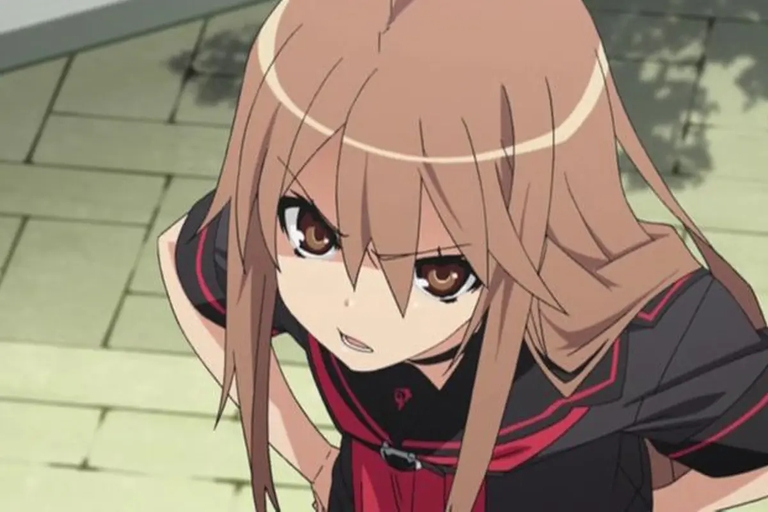
People love to call tsunderes lazy writing. They see Taiga Aisaka smacking Ryuji and roll their eyes, thinking the writer just copy-pasted a checklist. That's dead wrong. Female character archetypes in anime aren't failed attempts at complexity, they're compression algorithms designed to make 12-episode seasons actually function.
The anime industry produces fifty shows every season. Writers get twelve episodes, sometimes twenty-four if they're lucky, to make you care about strangers. They don't have time for slow-burn psychological realism. They need you to understand a character's entire deal in thirty seconds. That's where the dere taxonomy comes in. It's a modular system that packs backstory, motivation, and relationship potential into a visual and behavioral shorthand.
When you see a girl with twin tails blushing and stammering insults, you know everything. Abandonment issues. Fear of intimacy. Violent coping mechanisms. All unpacked instantly without exposition dumps. The archetype does the heavy lifting so the plot can move.
The Dere Foundation and How It Actually Works
The word "dere" comes from "deredere," Japanese onomatopoeia for being lovey-dovey. The prefix tells you what mask the character wears before the affection comes out. This system started with Lum Invader in Urusei Yatsura back in the eighties, but it didn't crystallize into the taxonomy we know until the visual novel and light novel booms needed quick character shorthand for dating sims.
Tsunderes run hot and cold. They'll insult you, maybe throw a physics textbook at your head, then panic when you actually get hurt. The mechanics are simple. The "tsun" phase establishes distance and creates conflict where none exists yet. The "dere" phase pays off that tension. When Taiga finally admits she likes Ryuji in Toradora, it hits hard because you've watched her punch him for eight episodes. The violence isn't random. It's a barrier she builds because she's terrified of being vulnerable, and the show communicates that entire psychology without a single therapy scene.
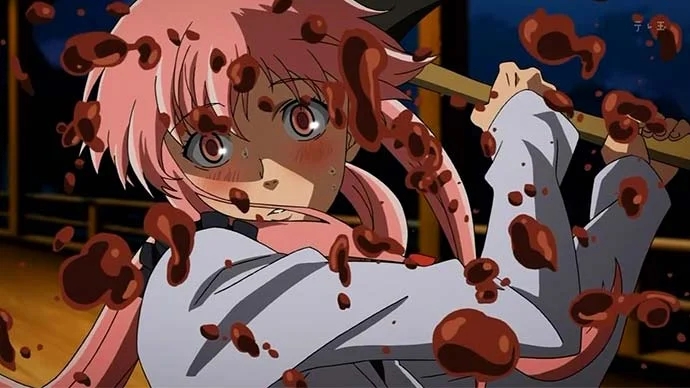
Yanderes operate on different logic. They skip the hostility and go straight to obsession. Yuno Gasai from Future Diary looks like the perfect girlfriend. She's cute, supportive, and dedicated. Then she starts murdering people who look at you wrong. The archetype compresses the idea of "unhealthy devotion" into a visual package. You see the pink hair, the empty eyes, the knife behind her back, and you know this character considers kidnapping a valid dating strategy. The dere types explained over at CBR break down how these visual markers became standardized across the industry.
Kuuderes are the opposite of tsunderes in execution but similar in function. Rei Ayanami from Evangelion set the template. Monotone voice, flat expressions, minimal reactions. They look like robots. The storytelling hook comes from finding the cracks. When a kuudere smiles, it means something. When they cry, the world stops. The compression here is about emotional scarcity. The show doesn't have time to show you every little feeling, so it bottles everything up and releases it in explosive moments that hit harder because you've been starved of affect.
Danderes are shy to the point of paralysis. Hinata Hyuga from Naruto couldn't speak to Naruto without fainting for hundreds of episodes. Unlike kuuderes who choose silence as protection, danderes want to talk but can't. Their throats close up. Their hands shake. The archetype represents social anxiety dialed up to eleven in a culture where reading the room and not standing out carries immense pressure. The narrative function is creating tension through inaction. Will she confess? Can she even get the words out before the credits roll?
The Extended Family Beyond the Big Four
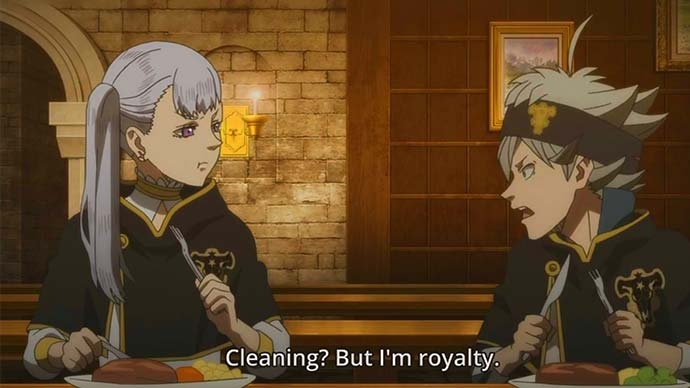
The dere system expanded because writers needed more specific tools for different power dynamics. Himederes demand royal treatment. Noelle Silva from Black Clover constantly reminds everyone she's royalty while failing to control her magic. It's tsundere energy mixed with status anxiety. The archetype lets writers explore class dynamics without writing a thesis on nobility. You know immediately that this character has never been told no, has deep insecurities about her competence, and will eventually learn humility through friendship.
Derederes skip the mask entirely. Tohru Honda from Fruits Basket loves everyone immediately and unconditionally. These characters serve as emotional anchors in dark stories. When everyone else is traumatized by abuse or curses, the deredere reminds you that kindness still exists. They're harder to write well because they can become annoying or flat if the writer mistakes "nice" for "interesting," but when they work, they provide the warmth that makes the rest of the cast's damage visible by contrast.
Then you have the specialized types that fill niche gaps. Kamidere characters think they're gods and demand worship. Sadodere characters get off on teasing and mild cruelty. Bakadere characters are clumsy, stupid, but sweet. Mayadere characters start as villains then switch sides, carrying their violent tendencies into the good guy camp. Each one is a dial turned up on a specific trait so the audience knows what emotional contract they're signing when they start the show.
Why This System Exists
Japanese animation runs on insane schedules. Weekly episodes, tight budgets, source material that moves faster than animators can draw. Writers can't spend three episodes on subtle character development. They need the audience to get the personality immediately or viewers drop the series and the Blu-rays don't sell.
That's where compression algorithms come in. I read this breakdown that compared dere types to zip files for emotions. A tsundere packs "tsundere.zip" and the audience unpacks it automatically. The character archetypes outlined at Beyond the Gate show how these aren't just fan categorizations. They're writer tools used in pitch meetings. When a light novel author submits a proposal, they often include the archetype in the character description. "Tsundere childhood friend." "Kuudere student council president." The publisher knows exactly what that means. It signals the target demographic, the relationship dynamic, and the marketing angle immediately.
This isn't unique to anime. Western media uses "the jock" or "the mean girl" the same way. But anime formalized it to a degree that lets mix-and-match happen fast. You can have a kuudere who's also a yandere. You can have a dandere with genki energy bursts. The system is modular because the industry needs interchangeable parts to keep the machine running.
The Cultural Context Nobody Wants to Admit
These archetypes reflect specific Japanese cultural pressures that get lost in translation. The tsundere's inability to express affection mirrors real communication styles where direct confession is culturally difficult. Japanese language has layers of politeness and indirectness built in. A tsundere screaming "baka" while blushing is a cartoon exaggeration of someone who can only text their feelings or communicates through tsukimi soba instead of words.
The yandere's obsession plays into ideas about devotion being the highest virtue, twisted into pathology. In a society where loyalty to family, company, and partners is paramount, the yandere represents that value taken to its logical extreme. She's the employee who never goes home, the partner who never looks at anyone else, pushed until it becomes dangerous.
The dandere's social anxiety resonates in a society with intense pressure to read the air and not cause disruption. When you see a female character archetype in anime paralyzed by the thought of speaking up in class, that's not just shyness. That's the fear of sticking out, of breaking harmony, of being the nail that gets hammered down.
Voice Acting and Visual Codes
The system works because voice actors know exactly how to pitch these characters without direction. Tsunderes get high-pitched, staccato delivery that cracks when they get flustered. Kuuderes get monotone, low-register deadpan that makes every word sound like it costs money. Yanderes get that breathy, honeyed tone that shifts into sharp consonants when they're angry.
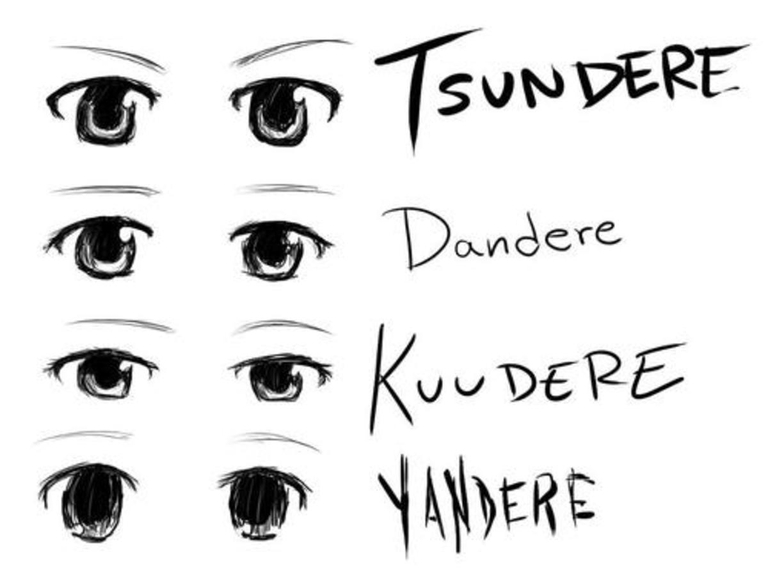
Visual design follows suit. You can identify the archetype from a single character sheet. Tsunderes often have twin tails or aggressive hairstyles that stick up like their emotional defenses. Kuuderes have short hair or straight cuts that don't move, emphasizing their stillness. Yanderes get empty eyes and shadows under their eyelids. Danderes hide behind long bangs that cover their faces. The dere breakdown over at HubPages goes deep into these visual markers and how they signal personality before the character speaks.
This coding lets animators save time too. They don't need complex facial animation to show a tsundere being conflicted. They use the standard blush stickers and chibi deformation. The audience reads it instantly because they've seen it a thousand times.
Evolution and Subversion
Modern shows mess with these templates because audiences got too good at reading them. The old "tsundere beats the protagonist for breathing" joke got old around 2010. Now you get tsunderes who keep the defensiveness but lose the physical abuse. You get yanderes who keep the obsession but get called out on it by other characters. The archetypes are becoming self-aware.
Sasaki to Miyano, which got analyzed as a subversion of tropes, takes BL genre conventions and normalizes them in ways that affect how we view all archetypes. When everyone knows the rules, breaking them becomes the new standard. Modern kuuderes stay kuuderes without being forced to become emotional messes for the male lead's ego. Modern danderes find their voices through friendship instead of romance.
But the foundation remains. Even when subverting, writers start with the archetype. They set up the expectations then break them in satisfying ways. You can't subvert what isn't established.
The Economics of Waifu Culture
Let's be real. These archetypes persist because they sell. The "compression" isn't just narrative. It's commercial. A tsundere fits on a keychain. A yandere makes a good figure pose with a knife. The compression algorithms that work for storytelling also work for merchandising. When a character fits a recognizable type, she becomes collectible. Fans can argue about whether Rem or Asuka is the better tsundere. They can buy body pillows of the kuudere who never shows emotion because her stoicism is the appeal.
The industry knows this. That's why isekai light novels still use these types even when critics complain. The archetypes are IP generators. They create instant recognition and attachment. When you see a new anime season announcement and the promo art shows a girl with twintails looking angry, you know what you're getting. You pre-order based on that recognition.
Female character archetypes in anime aren't going anywhere. They've been around since the eighties and they'll be around when your kids are watching whatever comes next. The labels might change. The specific behaviors might soften as audiences demand healthier relationship models. But the core idea, using modular personality types to compress complex emotional storytelling into tight spaces, that's permanent.
Stop calling them lazy. Start seeing them for what they are: the machine code that makes anime function. The next time a tsundere stammers and blushes, remember you're watching a precision tool do its job. It's not a bug. It's the whole operating system.
Frequently Asked Questions
Why do tsunderes act violent toward people they like?
Tsunderes switch between hostile and affectionate behavior because the archetype compresses the psychological reality of fear of intimacy. The violence or insults act as a defensive barrier. When they finally show warmth, it creates emotional payoff for the viewer without requiring lengthy therapy scenes to explain their trust issues.
What's the difference between a kuudere and a dandere?
Kuuderes choose emotional flatness as a defense mechanism, often appearing cold and calculating. Danderes suffer from social anxiety and want to speak but can't due to fear. Kuuderes are ice by choice; danderes are ice by paralysis.
Why are yandere characters popular if they're psychotic?
Yanderes represent absolute devotion taken to a pathological extreme. In fiction, this creates high-stakes drama and satisfies the fantasy of being loved without compromise. In reality, this behavior is dangerous stalking, but anime uses the archetype to explore obsession in a safe, exaggerated context.
Can male characters be dere archetypes too?
While most common in female characters, male variants exist. Kyo Sohma from Fruits Basket is a classic male tsundere. These are less common because shonen anime traditionally focuses on male power fantasies rather than romantic vulnerability, but the archetype works regardless of gender.
How do these archetypes help anime production?
They speed up storytelling by packing backstory, motivation, and relationship potential into recognizable visual and behavioral patterns. In an industry producing fifty shows per season with tight deadlines, writers need audiences to understand a character immediately. The archetype does the exposition work visually.