
Great Teacher Onizuka Lessons in Life and Modern Controversies
Great Teacher Onizuka lessons in life and modern controversies aren't what you think they are. Most people drop this show after three episodes because they see Eikichi Onizuka leering at high school girls and assume it's just another trashy 90s comedy about a loser getting into hijinks. They're wrong and they miss out on one of the sharpest critiques of Japanese education ever animated. The show knows exactly what it's doing with that early pervy humor. It's a filter. If you can't get past Onizuka wanting to marry a sixteen-year-old in episode one, you don't deserve to see him risk his life diving off a bridge to save a student in episode twelve. The series uses crude comedy as bait, then hits you with genuine emotional devastation once you're hooked. That's the trick nobody talks about. Everyone focuses on the age gaps and the sexual harassment gags but they ignore how the show systematically dismantles the Japanese school system piece by piece. Holy Forest Academy isn't just a school. It's a pressure cooker where damaged kids learn to weaponize their trauma against authority figures who don't care about them as humans. Onizuka breaks that cycle by being too stupid to know he's supposed to follow the rules.

The real meat of Great Teacher Onizuka lessons in life and modern controversies starts when you realize Class 3-4 isn't just a bunch of delinquents. They're calculated predators. These kids have driven six teachers to mental breakdowns before Onizuka even shows up. They hacked the school's computer system to change grades. They orchestrated elaborate psychological torture campaigns. Miyabi Aizawa isn't just a mean girl. She's a master manipulator who turned the entire class into a weapon because the adults in her life failed her when she needed them most. The show treats student cruelty as a symptom of adult neglect. Every time the kids pull some messed up stunt, you find out later it's because a parent abandoned them or a previous teacher betrayed their trust. Onizuka gets through to them because he doesn't try to fix them with lectures or discipline. He meets them where they are, often literally by getting down on the floor with them or jumping off buildings alongside them. That peer-level approach is the whole point. Traditional Japanese pedagogy relies on rigid hierarchy and Onizuka shatters that by admitting he's a 22-year-old virgin ex-biker who doesn't know algebra but knows what it feels like to be angry and lost.
People love to cancel this show now because of the age stuff and yeah, it's weird. The anime tries to fix it by changing Onizuka's marriage requirement from sixteen to nineteen but that doesn't erase the pink elephant scene or the fact that Urumi Kanzaki is fourteen and crushing on him hard. Here's the uncomfortable truth though. The show knows this is messed up. It isn't endorsing it. Onizuka never acts on these impulses in any serious way and his constant failure to be the creep he claims he wants to be becomes a running gag that actually reinforces his fundamental decency. The virginity thing isn't just a joke either. It's loaded social commentary on Japanese expectations for men. Onizuka has extreme confidence, physical power, and street cred from his bōsōzoku days but he's still "incomplete" by societal standards because he hasn't slept with anyone. The series uses that tension to critique how Japan measures masculinity and success. You can beat up a hundred rival gang members but if you haven't gotten laid you're still a joke. That's harsh but it's honest about the cultural standards of the time.
The modern controversies around Great Teacher Onizuka usually focus on the sexual humor but they should focus on the educational malpractice it exposes. Vice Principal Uchiyamada represents everything wrong with the system. He cares more about the school's reputation than whether students are getting bullied into suicide. He covers up abuse to protect test scores. He tries to fire Onizuka for solving problems that the administration created. This isn't fiction. Japanese schools in the 90s were brutal pressure cookers where examination hell dominated every aspect of student life. The show captures that suffocating atmosphere perfectly. When the kids hack the SAT database to sabotage Onizuka's teaching credentials, it's funny but it's also tragic. These brilliant students are using their gifts to destroy instead of create because the system has taught them that success requires crushing your enemies. That's the real lesson hiding under the comedy.
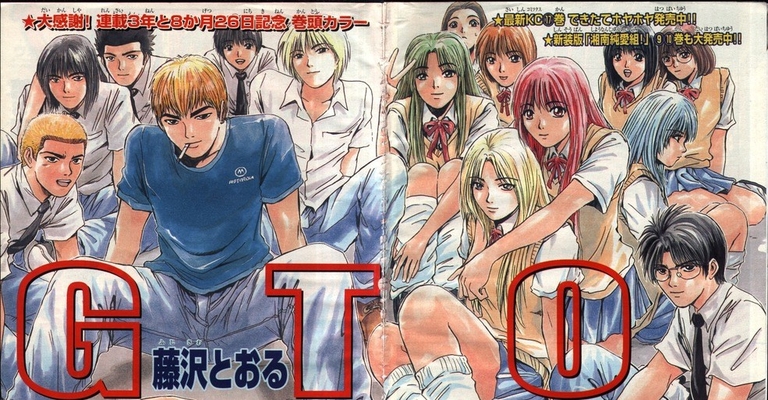
Urumi Kanzaki is the best example of how the show handles dark themes with real weight. She's a fourteen-year-old genius who can speak multiple languages and hack government databases but she's also suicidal and emotionally frozen because a teacher betrayed her when she was younger. Her arc isn't about Onizuka teaching her math. It's about him teaching her that failure won't kill her. The scene where he drives a car off a pier with her in it is insane and stupid and perfect. He proves to her that she can die but chooses to live. That's not something you learn from a textbook. The show argues that life lessons matter more than academic ones and that's why it still resonates even though the animation is dated and the comedy is often cringe.
The anime adaptation falls apart at the end and that's worth talking about because it ruins the Miyabi arc. In the manga, Miyabi's father is a predatory teacher who hits on her friends and the story goes to some really dark places involving sexual exploitation and institutional cover-ups. The anime couldn't handle that so they rushed an ending where Onizuka takes the fall for a crime he didn't commit and rides off on his bike like a cool guy. It feels triumphant but it robs the story of its teeth. The manga keeps going and shows Onizuka actually dealing with the legal consequences and the students having to fight to clear his name. That's the real story. The anime gives you a Hollywood ending where the hero rides into the sunset but the manga forces you to look at how broken the system is that a good teacher has to become a criminal to protect his kids.
People compare this show to Assassination Classroom and yeah, you can see the DNA there. Both feature impossible teachers who connect with monsters by treating them like humans first and students second. But GTO is dirtier and more honest about the collateral damage. Korosensei is an alien with a smile. Onizuka is a human with scars and bad habits. He smokes in the faculty room. He drinks too much. He has anger issues. That messiness makes his victories hit harder. When he saves Noboru Yoshikawa from bullies, he doesn't do it with a inspirational speech. He beats up the bullies, then makes them feel the pain they inflicted, then hugs them because he knows they're victims too. It's chaotic good in its purest form.
The animation quality is rough by modern standards. Studio Pierrot did what they could with 1999 budgets and it shows. The character designs go off-model constantly. The action scenes are stiff. But the facial expressions are perfect. Onizuka's face when he's scheming or when he's genuinely heartbroken carries the whole production. You don't need fluid sakuga when you've got voice actors like Wataru Takagi screaming their lungs out with raw emotion. The English dub with Steven Blum is equally solid, capturing that weird balance of sleaze and sincerity that makes the character work.
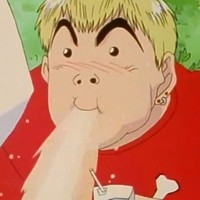
Modern critics want to dismiss Great Teacher Onizuka as a product of its time that hasn't aged well. They're half right. The panty shots and age-gap jokes are gross and the show would be better without them. But throwing out the whole series because of those early episodes means missing the point entirely. The show evolves. Onizuka evolves. By the middle of the series, he isn't trying to peep on girls anymore. He's trying to keep them alive. The Tomoko Nomura arc where he helps her win a beauty pageant to boost her confidence could have been creepy but instead it becomes about how the entertainment industry chews up young girls and spits them out. Onizuka protects her from sleazy producers while teaching her that her worth isn't based on her looks. That's a solid message underneath the fan service.
The teaching philosophy Onizuka represents is messy but effective. He breaks down the wall between teacher and student not by being their friend but by being their equal in vulnerability. He admits when he doesn't know things. He shows them his failures. He lets them see him cry. That transparency builds trust faster than any authority figure demanding respect ever could. In an era where education is becoming increasingly standardized and robotic, GTO feels like a manifesto for human connection. The SAT scores don't matter if the kid is planning to jump off a roof. The rules don't matter if enforcing them kills someone's spirit. Onizuka violates every code of teacher ethics on paper but he saves more lives than any of the "proper" educators in the building.
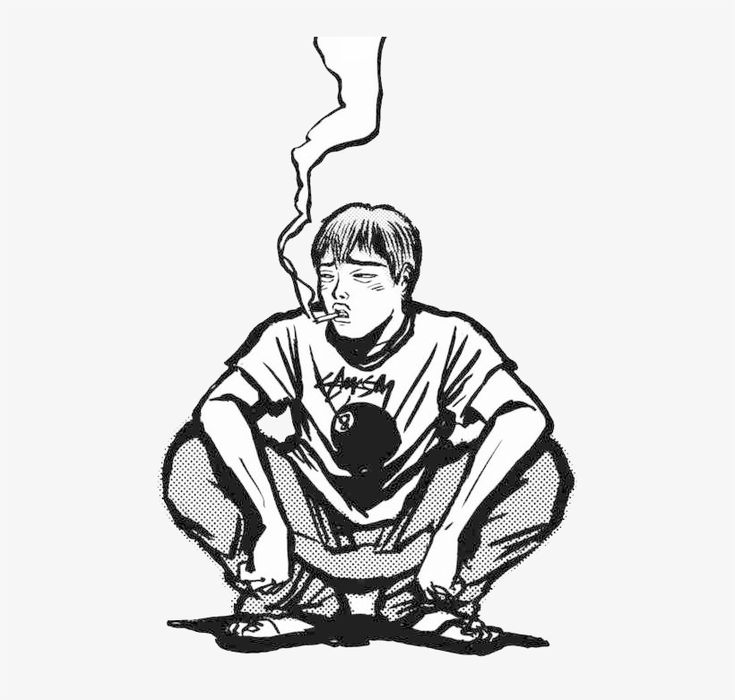
Great Teacher Onizuka lessons in life and modern controversies will keep getting debated as long as people keep discovering the show. Some will turn it off after episode two because they're tired of the pervy humor and that's fair. Others will push through and find one of the most emotionally honest stories about mentorship ever written. The controversies are real and the show doesn't always handle them gracefully but the core message remains sharp. Education isn't about filling heads with facts. It's about showing kids that they matter enough to fight for. Onizuka fights dirty, he fights stupid, and he fights with everything he has because he remembers what it felt like to be the kid everyone gave up on. That specific type of empathy, the kind that only comes from having been broken yourself, is what makes this series essential viewing despite its flaws. The animation is old. The jokes are crude. The messages are timeless.
Frequently Asked Questions
Why do people call Great Teacher Onizuka problematic?
The early episodes use heavy sexual humor and age-gap jokes that many viewers find uncomfortable or offensive by modern standards. The protagonist initially wants to marry a high school student and makes frequent inappropriate comments. However, the series shifts focus after the first few episodes toward serious social commentary on bullying, educational failure, and student trauma. The pervy humor becomes less frequent as Onizuka develops into a genuine mentor figure.
What are Onizuka's teaching qualifications?
He doesn't have any. That's the entire point. Onizuka is a 22-year-old former biker gang member with no college degree, no teaching license, and no formal training. Holy Forest Academy hires him out of desperation because Class 3-4 has driven away six previous teachers. His lack of credentials allows him to bypass bureaucratic restrictions and connect with students through lived experience rather than academic theory.
How does the anime ending differ from the manga?
The anime covers roughly the first half of the manga's story and ends with a custom conclusion where Onizuka takes the blame for a crime to protect his students. The manga continues significantly further, dealing with darker themes including predatory teachers, parental abuse, and Miyabi Aizawa's complete backstory. Most fans consider the manga ending superior because it resolves plotlines the anime rushed or ignored.
Who is Urumi Kanzaki?
Urumi is a fourteen-year-old genius with an IQ over 200 who speaks multiple languages and can hack secure databases. She becomes one of Onizuka's most complex students because her intelligence isolates her from peers and her past trauma with a former teacher made her emotionally closed off. Her arc involves Onizuka teaching her that failure and imperfection are acceptable parts of life, culminating in extreme stunts that force her to choose living over emotional shutdown.
What anime did Great Teacher Onizuka influence?
It directly influenced Assassination Classroom, Gokusen, and numerous other school anime featuring unconventional teachers. The peer-level teaching approach, the focus on troubled students hiding trauma behind delinquent behavior, and the balance of comedy with serious life lessons became standard tropes in the genre. Many modern school anime owe their DNA to GTO's formula of a seemingly unqualified adult who connects with students through empathy rather than authority.