
Higurashi Psychological Horror Analysis Shows Why Trust Breaks First
Higurashi psychological horror analysis usually focuses on the shocking moments but that's a lazy way to look at what Ryukishi07 built. The real terror in this series doesn't come from graphic violence or supernatural curses even though those elements are present. It comes from the systematic destruction of trust between people who genuinely care about each other. The horror is watching a tight-knit group of friends turn into suspects and executioners because they can't communicate their fears without sounding crazy.
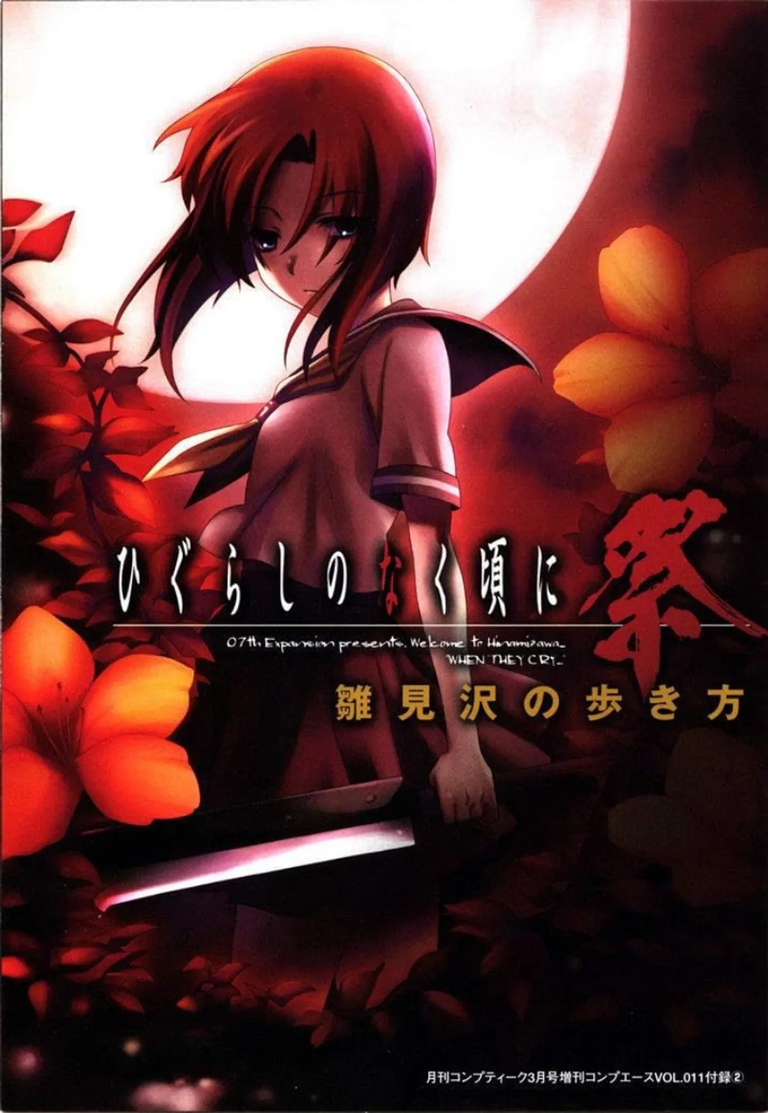
The series uses a structure that shouldn't work but absolutely does. You get four question arcs that show the same few days ending in bloody disaster followed by answer arcs that explain how human weakness and conspiracy created the nightmare. This repetition isn't just a gimmick to extend the runtime. It's the core mechanic that makes the psychological horror land because you watch characters make slightly different choices that still lead to doom. The fatalism is suffocating and it makes you feel like you're drowning in inevitability.
Most people remember the needle in the ohagi or Rena with her cleaver but those are just symptoms. The disease is paranoia and Higurashi spreads it to the viewer through unreliable narration and sensory tricks that make you question everything you see. The village of Hinamizawa operates like a pressure cooker for the human mind. Everyone is watching. Everyone knows something you don't. And the sound of cicadas never stops drilling into your skull.
The Cicadas Never Stop Screaming
The sound design in Higurashi isn't just background noise. It's a psychological weapon. That constant buzzing of higurashi cicadas creates a low-level anxiety that builds throughout each episode until your teeth hurt. The sound mimics the tinnitus of stress and it never gives your ears a break. When the show wants to ramp up tension it doesn't always use scary music. Sometimes it just lets the insect noise get louder until it feels like your skull is vibrating and you can't think straight.
This audio trick works because rural isolation is already creepy. Hinamizawa is cut off from the rest of Japan by mountains and tradition. The show establishes early that help isn't coming. Phone lines get cut. Police are either corrupt or useless according to some analysis of the story structure. You're stuck in this village with people who smile while hiding hatchets behind their backs. The cicadas mark the passage of time toward the inevitable Watanagashi festival which acts like a countdown timer to violence.
The atmosphere creates a pressure cooker where normal social rules stop applying. Keiichi starts hearing things. He sees Rena standing outside his window in the rain and the show makes you wonder if she's really there or if he's already losing his grip. This blurring of reality is what separates psychological horror from slasher flicks. You're not afraid of getting killed. You're afraid of becoming the killer. You're afraid that the noise in your head will get so loud you can't recognize your friends anymore.
Keiichi's Eyes Lie to Him
Onikakushi is where the psychological horror fully kicks in and it works because Keiichi is an unreliable narrator who doesn't know he's unreliable. The visual novel does this better than the anime because you're stuck inside his head for hours reading his rationalizations. You watch him dismiss warning signs because he wants to believe his friends are good people. When he finally snaps and attacks Rena and Mion with a bat it feels both inevitable and completely wrong because you saw the warning signs he ignored.
The horror comes from watching a normal teenager dismantle his own sanity through confirmation bias. Detective Ooishi feeds him information that frames his friends as cultists. Keiichi starts seeing evidence everywhere because he's looking for it. The mochi with the needle inside becomes a symbol of how trust dies. It doesn't matter if his friends actually put it there. What matters is that he believes they could have. The chapter review details how this transition from lighthearted club games to murder happens slowly enough that you don't notice the water boiling until you're already cooked.
The anime adaptation by Studio Deen gets criticized by visual novel purists for rushing this deterioration. In the original text you spend days with these characters playing games and eating together before the darkness creeps in. The slow burn makes the betrayal cut deeper. You feel the weight of every shared laugh turning into a potential threat. When Keiichi claws out his own throat in the phone booth at the end it's not just body horror. It's the physical manifestation of guilt and paranoia consuming him from within. He's trying to tear out the voice that's been lying to him.
Cute Faces Hide Rotting Minds
Higurashi uses a visual style that deliberately clashes with its content. The character designs are soft and round with big eyes and bright colors. They look like they belong in a dating sim or a comedy series. This visual dissonance makes the horror hit harder because your brain doesn't expect violence from these aesthetics. When Rena switches from sweet girl to axe-wielding maniac the shift feels like a glitch in reality. The streaming analysis notes how this unique approach balances lighthearted elements with disturbing content.
This technique borrowed from the visual novel tradition of starting with slice-of-life comedy before plunging into tragedy. Ryukishi07 wanted to see if he could make players feel fear instead of sadness using the same structure. It works because you let your guard down. You think you're watching a harem anime about a guy moving to a new village. Then you notice Satoko's smile doesn't reach her eyes or Rika seems way too calm about death. The cute outfits and club activities become sinister when you realize they're just the setting for a slaughterhouse.
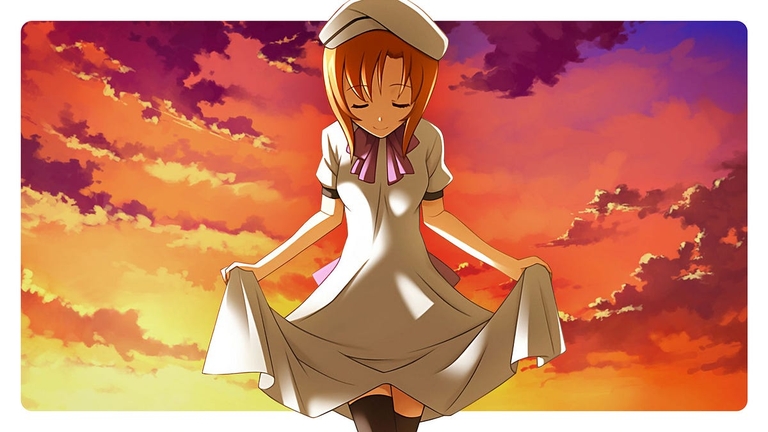
The animation style shifts when characters enter madness. Faces elongate. Shadows get harsher. The pupils shrink to pinpricks. These aren't just artistic flourishes. They represent the fracturing of social masks. In Hinamizawa everyone is performing normalcy while falling apart inside. The horror is realizing that you've been watching performances and the real personalities underneath are desperate and broken. You can't trust the cute face because you don't know what's lurking behind it waiting for the right trigger to snap.
The Syndrome Is Just Extreme Mistrust
Hinamizawa Syndrome sounds like a supernatural curse but it's really just a magnification of human psychology taken to its logical extreme. The disease causes paranoia and violent outbursts when victims feel trapped or betrayed. It spreads through the population like a virus of suspicion. Once someone believes they're being hunted their body produces toxins that literally make them crazy and murderous. The parasite lives in everyone but it only wakes up when social trust breaks down completely.
This mechanic serves as a metaphor for how communities destroy themselves through gossip and fear. The village has a history of the Dam War where neighbors turned on each other over land rights. That trauma got baked into the culture. Everyone watches everyone else. The Sonozaki family maintains power through intimidation. The Three Families control information. This environment is perfect for breeding the kind of distrust that makes the Syndrome fatal. You're not scared of a monster. You're scared of your neighbor who thinks you're the monster.
The horror isn't that there's a magical parasite making people kill. It's that the parasite only activates when social bonds break down completely. The characters are killing each other because they can't communicate. They assume the worst. They hide secrets to protect each other but those secrets fester into violence. Watanagashi doesn't cause the deaths. It just provides a convenient date for the inevitable explosions of repressed rage and fear. The cycle continues because everyone is too scared to be the first one to tell the truth.
Why the Book Scares Different Than the Show
There's a huge split in the fanbase about whether the visual novel or the anime delivers better horror. The fanbase analysis explains that the anime goes for shock value with quick cuts and gore while the visual novel traps you in internal monologues where you watch logic decay. Both work but they work on different parts of your brain. The visual novel focuses on character emotions and tragedy while the anime prioritizes the mystery and thriller aspects.
The visual novel uses text to describe sensations that animation can't capture. You read about the texture of blood. You feel the itchy warmth of Keiichi's fever as the Syndrome takes hold. The lack of voice acting in the original PC release makes everything feel sterile and detached which somehow makes it worse. You're reading about teenagers murdering each other in cold detail without dramatic music to tell you how to feel. The horror is quiet and intimate. It gets inside your head and stays there.
The anime compensates with visual cues. The famous scene where Rena peers through the crack in Keiichi's door uses lighting and shadows to create dread. The eyes go flat. The smile gets too wide. Studio Deen leaned into the horror mystery aspect while the visual novel is more of a tragic psychological drama. If you want to understand the full scope of the horror you need to experience both because the anime shows you what happened while the novel explains why it felt inevitable. The gore is explicit in the anime but the dread is deeper in the text.
Satoko's Story Is the Real Nightmare
While the early arcs focus on Keiichi's paranoia, the most disturbing psychological horror in Higurashi centers on Satoko Hojo. Her arc deals with child abuse, trauma responses, and the horror of being ignored by adults who should protect you. When her uncle Teppei returns to the village in Tatarigoroshi and Minagoroshi, the series shifts from supernatural mystery to stark social realism that makes you want to look away.
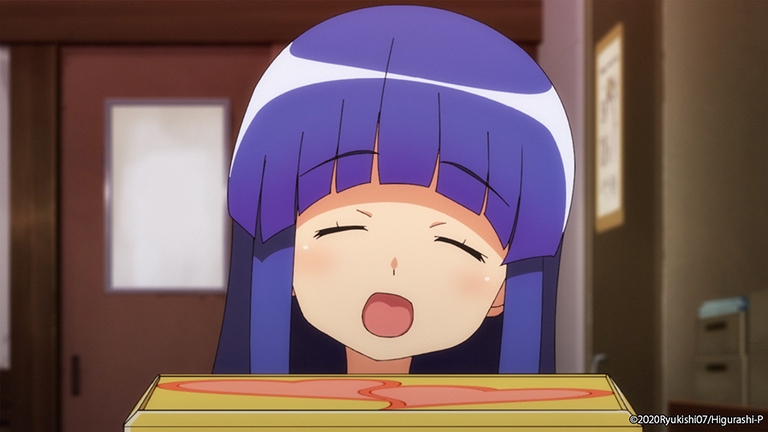
Satoko suffers from the Hinamizawa Syndrome but her condition is triggered by domestic violence. She has panic attacks. She freezes up. She can't ask for help because she's been conditioned to believe that help won't come. The horror here isn't a monster in the shadows. It's the realization that the whole village knows she's suffering and chooses to look away because of political grudges against her family. The village change analysis breaks down how the bureaucracy fails her and how the protagonists finally break the pattern through collective action.
This arc exposes the cruelty of systemic failure. Child Services won't intervene. The police claim they need proof. The villagers ostracize her because of the Dam War legacy. The psychological torture comes from watching this child try to maintain her cheerful mask while dying inside. When she finally breaks and pushes her parents off the cliff in some timelines or when she gets trapped in the cycle of abuse in others, it's devastating because it feels real. It feels like something that happens in real life when communities decide some kids aren't worth saving.
Breaking the Cycle Requires Radical Honesty
The answer arcs in Kai reveal that the solution to Hinamizawa's curse was never about defeating a witch or finding a cure for the parasite. It was about breaking the patterns of secrecy and isolation that let the Syndrome flourish. Rika Furude spends a hundred years dying and resetting until she realizes she can't save everyone alone. The answer arc notes describe this fatalism and how Rika predicts future events based on past failures. She needs her friends to remember pieces of other timelines. She needs them to trust her when she tells them impossible things.
This is where the psychological horror transforms into something hopeful but no less intense. The characters have to face their worst fears and choose to believe in each other anyway. Keiichi has to confront his guilt from Onikakushi. Shion has to accept responsibility for her violence. Satoko has to allow herself to be vulnerable and accept help. These are harder choices than swinging a bat or pulling a trigger. Choosing to trust is the most rebellious act possible because fate has programmed them to kill each other.
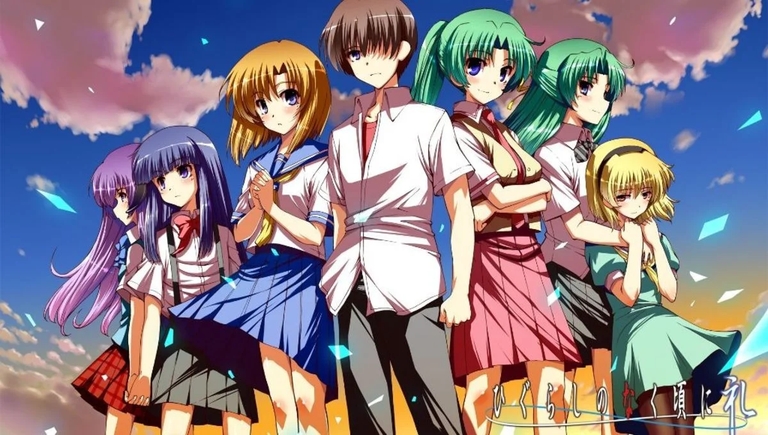
The horror genre usually ends with the monster dead or the killer caught. Higurashi ends with a group of teenagers deciding to talk to each other. That shouldn't be revolutionary but in the context of the story it feels like defying gravity. They've been trapped in loops where silence kills. Breaking that pattern requires them to be vulnerable in ways that feel more dangerous than physical combat. The final battle isn't against Takano or the Mountain Dogs. It's against their own instincts to hide and protect secrets.
Gou and the Horror of Not Learning
The recent sequels Gou and Sotsu add another layer to the psychological horror by asking what happens when you survive trauma but don't process it. Satoko becomes the antagonist in these arcs because she can't accept change. She traps Rika in new loops because she's terrified of losing her friend to adulthood. The horror shifts from external threats to the self-destructive nature of refusing to let go of the past even when it's killing you.
These new arcs show that even after breaking the cycle the characters can create new prisons for themselves. Satoko's manipulation of time isn't malicious in a cartoon villain way. It's born from attachment disorder and fear of abandonment. The series argues that without proper healing trauma just finds new shapes to take. You might escape Hinamizawa physically but you carry the village in your mind. The Syndrome doesn't need a parasite to spread. It just needs unresolved pain.
The animation in these newer seasons uses modern techniques to make the facial expressions even more disturbing. When Satoko smirks with knowledge of future events it hits different than the original's madness because she's calculating instead of panicking. The psychological horror evolves from fear of the unknown to fear of what we do to each other intentionally when we're hurting. It's a mature look at how cycles of abuse perpetuate themselves through generations.
Higurashi psychological horror analysis ultimately reveals that the series is a study in communication failure. Every death happens because someone assumed instead of asking. Every tragedy repeats because shame keeps secrets buried. The gore is just decoration on a much darker truth about human isolation. The show wants you to feel so uncomfortable with silence that you start talking. That's the real point. The monsters were never supernatural. They were just scared kids who forgot how to be honest until it was too late.
Frequently Asked Questions
What makes Higurashi psychologically scary compared to other horror anime?
It's the slow destruction of trust between friends. The horror comes from watching normal social bonds rot into paranoia and violence, not just from the supernatural elements or gore.
Is Hinamizawa Syndrome a real disease or metaphorical?
Hinamizawa Syndrome is basically extreme paranoia made physical. It activates when people feel trapped or betrayed, turning suspicion into literal madness and violence.
Which is scarier, the Higurashi visual novel or anime?
The visual novel traps you in internal monologues and slow-burn dread. The anime uses quick visual shifts and shock value. The book hits your imagination harder while the show hits your eyes.
Is Satoko's story arc too dark or realistic?
Absolutely. Satoko's abuse arc deals with real systemic failures and trauma responses. It's often considered more disturbing than the supernatural deaths because it mirrors real-world child abuse situations.
How do the characters actually break the time loops?
The protagonists have to stop keeping secrets and actually trust each other with the truth. The answer arcs show that community support and radical honesty break the cycle, not just defeating a villain.