
Josee the Tiger and the Fish Anime Themes Are About Fear First
Josee, the Tiger and the Fish anime themes hit different when you realize the wheelchair isn't the point at all. Everyone walks into this 2020 Studio Bones movie thinking they're getting another inspirational story about overcoming physical limits and learning to walk again or some cheesy nonsense like that. They're wrong. This thing is actually about social anxiety, fear of the outside world, and how two broken people accidentally prop each other up until they figure out how to stand on their own two feet, both literally and emotionally. The movie uses Josee's paraplegia as a background detail, yeah, but the real chains are in her head and that's what makes it interesting compared to other disability stories in anime.
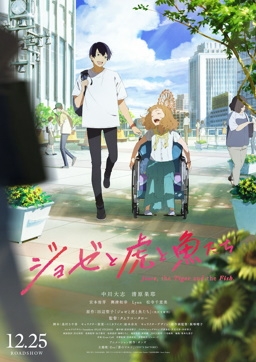
Tsuneo Suzukawa meets Josee, whose real name is Kumiko but she hates it, when her wheelchair rolls down a steep hill in Osaka and he catches her like some kind of romance novel cliché. Standard meet-cute setup on the surface. But here's where it gets messy and complicated in a good way. Josee isn't just physically disabled, she's agoraphobic and mean as hell at first in a way that makes you uncomfortable. She throws books at Tsuneo's head, calls him names, and hides behind her grandmother's overprotection like a shield against the world. The film isn't asking you to pity her legs or her situation. It's asking you to look at why she thinks the world outside her door is full of tigers waiting to eat her alive and why she thinks being nasty is the only armor she has.
The Tiger Isnt Real But the Fear Is
The title drops the tiger in there for a reason and it's not because there's some magical realism plot where a big cat shows up and fixes everything. The tiger represents fear itself, specifically the kind of low-grade constant anxiety that comes from existing in public spaces while disabled in a society that isn't built for you. Josee's grandmother tells her stories about tigers outside to keep her inside, creating this myth that the world is dangerous and hungry and waiting to hurt her. That's psychological manipulation even if the grandma means well, which she kinda doesn't because she's trapped in her own fear of losing Josee.
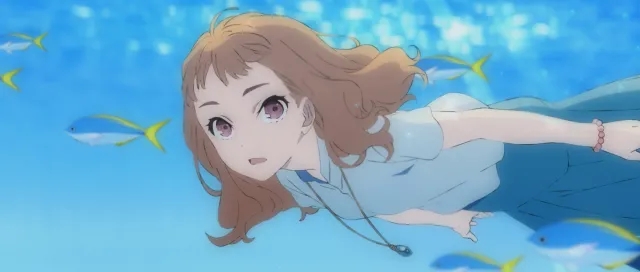
There's this scene at the train station that Common Sense Media breaks down perfectly where Josee gets bumped into by some rude stranger and she immediately assumes it's because she's in a wheelchair and people are targeting her. Then she watches the same guy be rude to someone else and realizes it wasn't personal, he was just a jerk to everyone. When the guard helps her up the ramp with respect and she sits in the designated wheelchair section, the world feels safer. That's the theme right there. Her perception of danger was worse than the danger itself. The tiger was imaginary but the fear was paralyzing her more than the paralysis ever did.
When Tsuneo Breaks His Leg the Whole Dynamic Shifts
People miss how important it is that Tsuneo gets hit by a car halfway through and fractures his leg badly. Suddenly the able-bodied caregiver is stuck in a hospital bed, can't walk, loses his scholarship to study marine life in Mexico, and has to relearn how to move. It's symmetry. He gets a temporary taste of what Josee lives with permanently and it changes how he sees her but more importantly it changes how he sees himself. He can't just be the hero anymore, he has to be the patient, and he hates it.
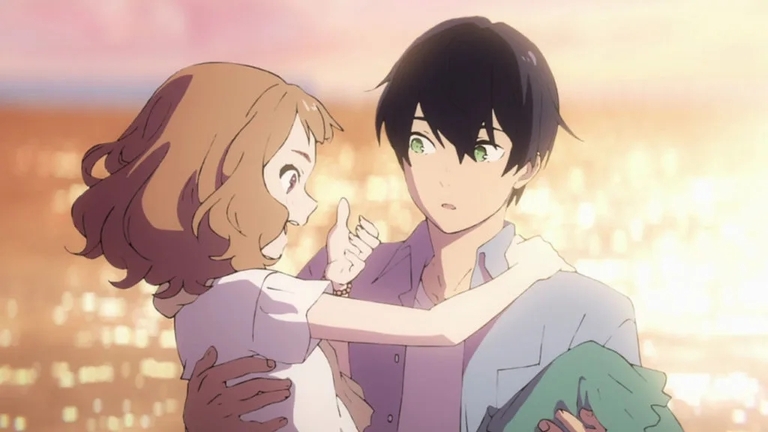
This is where the movie gets smart and separates itself from cheaper romance stories. Tsuneo's dream of studying ocean life in Mexico isn't just a plot device to create distance between them. It represents the future and movement and everything Josee thinks she can't have. When he breaks his leg and loses the scholarship because he needs two months of rehab, he's facing the same wall she faced. The difference is he has the privilege of knowing his limitation is temporary while hers is permanent, but the emotional impact is identical. Beneath the Tangles pointed out that the film is blurred in its execution sometimes but this parallel is crystal clear. Both characters have to learn that being broken isn't the same as being worthless.
Codependency Dressed Up as Love
Here's the uncomfortable truth that some analyses highlight about the movie. The relationship starts unhealthy and the film knows it. Josee's grandmother Chizu has kept her isolated for years under the guise of protection but really it's about control and fear of being alone. When Tsuneo shows up, he falls into the same pattern. He takes care of her, enables her worst behaviors, and lets her abuse him with insults and temper tantrums because he feels sorry for her or maybe because he likes feeling needed. That's codependency, not romance, and the movie doesn't romanticize it forever.
Mai Ninomiya, Josee's coworker at the library job she gets later, is the voice of reason here. She straight up tells Josee that she needs to redeem herself and set Tsuneo free instead of clinging to him like a drowning person. That's harsh but it's true. Josee has been using her disability as an excuse to avoid growing up and Tsuneo has been using her need for help as an excuse to avoid his own fears about going to Mexico and failing. They're both hiding in this little bubble and the movie makes you sit with how uncomfortable that is until they both break out of it.
The Mermaid Story Inside the Movie
Josee writes and illustrates a children's book called The Mermaid and the Radiant Wings and it's not subtle symbolism but it works. The mermaid trades her voice for legs but instead of legs she gets these beautiful wings that hurt when she uses them but let her fly. It's Josee's own story. She traded her safe isolation, her ocean, for a painful existence in the human world where she has to interact and be vulnerable and maybe get hurt, but she gets to fly instead of swim in circles.
When she reads this story aloud in the library scene near the end, Tsuneo is there listening with his friend Hayato, and you can see it click for him. He realizes she's telling him it's okay to go, that she doesn't need him to be her legs anymore, that she found her own wings in her art and her independence. That scene is why the movie works emotionally even when the pacing is weird in the middle. The music by Evan Call in that moment is this gentle guitar and piano stuff that doesn't manipulate your feelings with heavy strings but just supports the moment. All the Anime did a good breakdown of how Call used soft instrumentation to contrast with the harsh reality instead of telling you how to feel with big orchestral swells.
Why the Ending Works Better Than You Think
There's been controversy about the ending because Tsuneo actually goes to Mexico instead of staying home to be with Josee forever. Some fans wanted the sacrificial romance where he gives up his dream for her. That would have been toxic and the movie knows it. He goes to Mexico, she moves out of the house before it gets demolished, they spend time apart growing as individuals, and they meet again later as whole people who chose each other instead of two halves who needed each other to survive.
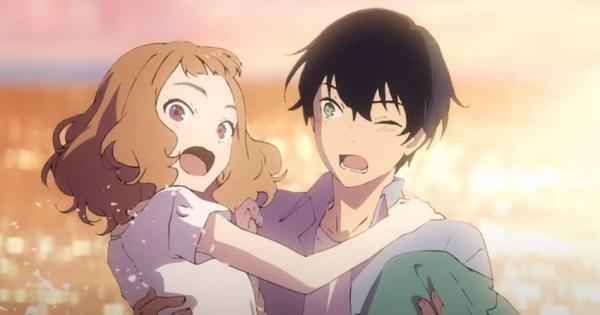
That's the point of fear and growth in this story. Josee stops being afraid of being alone and Tsuneo stops being afraid of leaving. The wheelchair becomes irrelevant because she's not defined by it anymore and he's not defined by being her helper. The final scene where he saves her from the wheelchair rolling into traffic again mirrors the opening but this time she isn't a victim of her own panic, she's just having a bad moment and he's there as an equal, not a savior.
Its Not A Silent Voice and Thats Okay
People keep comparing this to A Silent Voice because both have disability representation and pretty animation but that's lazy. A Silent Voice is about redemption for past bullying and the heavy weight of guilt. Josee is about two adults, or near adults, learning that dependence isn't love and that fear is the real disability. Shoko in A Silent Voice is a saintly victim of other people's cruelty while Josee is kind of a jerk who has to learn to be kind, which makes her more human and her arc more satisfying.
Studio Bones did the animation here and it has this watercolor aesthetic in the fantasy sequences that looks nothing like their usual mecha or action stuff. The falling leaves, the zoo scenes, the underwater dreams Josee has, they all look like paintings. Loundraw's character designs help because Josee doesn't look like a moe blob, she looks like a real person with sharp edges and messy hair.
The Small Details You Missed
Rewatching this movie reveals how much the grandmother's death changes the tone. Before she dies, there's this safety net. After, Josee has to choose between sinking or swimming and she almost sinks by taking that awful office job instead of pursuing art. The scene where Tsuneo yells at her about giving up is harsh but necessary. He sees her retreating into the shell again and refuses to let her do it even when he's the one in the hospital bed with a broken leg.
The wheelchair accessibility scenes are accurate too. The ramp at the train station, the way people either ignore her or stare too hard, the physical labor of moving through a city not built for wheels, it's all there without being preachy. But again, these are obstacles, not the story. The story is Josee learning that she can handle those obstacles without Tsuneo holding her hand every second.
Tsuneo's passion for marine biology and his specific fascination with ocean fish isn't random either. Fish are free to move in three dimensions but they're also trapped in the ocean. Josee is trapped in her house but free in her imagination. The scuba gear he uses represents the ability to breathe in an environment that should kill you, which is exactly what Josee has to learn to do in the social world.
The movie isn't perfect. Some of the middle drags, the subplot with Tsuneo's boss hitting on him goes nowhere, and sometimes the emotional beats hit too softly because the direction is too gentle for its own good. But the core themes about anxiety, codependency, and the difference between being alive and actually living are solid. Evan Call's soundtrack carries a lot of the weight here, with tracks like Under the Heavy Waves of a Harsh Reality using ambient tones to show Josee's sadness without words.
Josee, the Tiger and the Fish anime themes come down to one hard truth. You can't love someone else properly if you're using them as a crutch to avoid your own growth. Whether that crutch is a wheelchair, a broken leg, or just fear of the outside world, you have to put it down eventually and walk on your own. Or roll. You get the idea.
Frequently Asked Questions
What does the tiger represent in Josee the Tiger and the Fish?
The tiger represents fear and anxiety, specifically the irrational fear of the outside world that Josee's grandmother instilled in her. It symbolizes the imaginary dangers that keep Josee isolated more than her physical disability ever does.
Is Josee the Tiger and the Fish similar to A Silent Voice?
No, and that's the point. While both feature disabled characters, A Silent Voice focuses on bullying and redemption, while Josee explores codependency, social anxiety, and mutual growth between two adults learning to stand alone before they can be together.
Does Tsuneo actually go to Mexico at the end?
Yes, in the best way. Instead of staying home for Josee, Tsuneo goes to Mexico to pursue his marine biology studies while Josee pursues her art career. They reunite later as independent people rather than remaining codependent, which reinforces the film's message about healthy growth.
What is The Mermaid and the Radiant Wings story about?
It's an allegory for Josee's own life. The mermaid leaves the safety of the ocean for painful but free life on land with wings instead of legs, representing Josee leaving her safe home to face the scary but rewarding outside world through her art and independence.
Who composed the music for Josee the Tiger and the Fish?
Evan Call composed the score. He used gentle guitars, soft piano, and ambient tones to create a serene atmosphere that contrasts with the harsh realities the characters face, avoiding heavy orchestral manipulation in favor of subtle emotional support.