Jujutsu Kaisen Anime Animation Changes Between Seasons and How It Stacks Against Other Shonen
Jujutsu Kaisen anime animation art style shonen comparisons always start with the same argument. Season 1 looked like a polished gemstone and Season 2 looks like someone finished the sketch five minutes before the deadline. People see Yuji's thinner face and Megumi's weird puffy hair in the newer episodes and immediately think MAPPA dropped the ball. They didn't. They just changed the rules entirely.
I keep seeing posts asking if the budget ran out or if the animators got lazy. That's not how this works. Season 1 had that heavy shading, those oversaturated colors, and extreme detail that made every frame look like a promotional poster. It was gorgeous but sometimes it got in the way. When Gojo used Domain Expansion in Season 1, the details were so dense you could barely tell what was happening. It looked cool but it was busy. Season 2 threw all that out and went with simpler line work and brighter colors that actually let you see the fights.
The Season 1 Polish That Set the Bar Too High
When JJK first dropped, people called it the perfect shonen adaptation. MAPPA came in with that high-contrast look where everything popped off the screen. The cursed energy effects had this weight to them, all thick black lines and heavy shadows. It looked expensive. Compared to other shonen airing at the time, it felt like a movie every week.
But here's the thing about that style. It takes forever to draw. Every frame had so much detail that the animators were probably burning out. You can't sustain that for a long-running series without killing your staff. Season 1 had 24 episodes and they could plan accordingly. When Season 2 hit with the Shibuya Incident and the Gojo flashback arcs, they had to adapt way more content with less time.
Some fans point to Demon Slayer as the counterexample. Ufotable has this glossy, digital sheen that makes everything look like a video game cutscene. It's beautiful but it's a different beast entirely. JJK Season 1 was trying to compete with that level of polish but with a grittier palette. The problem is that kind of detail doesn't leave room for improvisation. Season 1 felt rigid sometimes, like the characters moved through molasses because every frame was so carefully constructed.
Why Season 2 Looks Like a Sketchbook
The shift in Season 2 wasn't an accident or a downgrade. It was a choice to prioritize movement over still images. The line work got rougher, the colors got flatter and brighter, and suddenly the fights had this kinetic energy that Season 1 lacked. When Gojo fights Toji in Episode 3, the animation isn't trying to look pretty. It's trying to look fast and violent.
I saw an analysis that explained this perfectly. The new style mirrors Gege Akutami's actual manga panels more closely. The manga has this erratic, sketchy quality where you can feel the pen moving across the page. Season 2 captures that energy instead of trying to clean it up. The action lines are thicker, the faces distort more, and it feels like the drawings are vibrating.
People hate change though. They look at Yuji's face in Season 2 and say it looks wrong because his jawline is sharper or his eyes are different. Megumi's hair got this weird volume that makes him look like he's using different shampoo. But these changes serve the story. The Shibuya Incident is messy, chaotic, and brutal. Clean animation would have lied to you about what was happening.
Comparing JJK to Bleach and Naruto
Everyone wants to know how Jujutsu Kaisen holds up against the old gods of shonen. Bleach fans especially get defensive about this. They say Ichigo's fights had better choreography or that the Soul Society arc had better pacing. Maybe they're right about some of that, but the animation quality isn't even close.
Bleach ran for years with production schedules that left animators crying in bathrooms. The filler arcs looked like they were drawn by different people entirely because they were. JJK has the advantage of being seasonal, so they can put more resources into individual episodes. When JJK wants to hit hard, it hits harder than Bleach ever could with its 366 episode run.
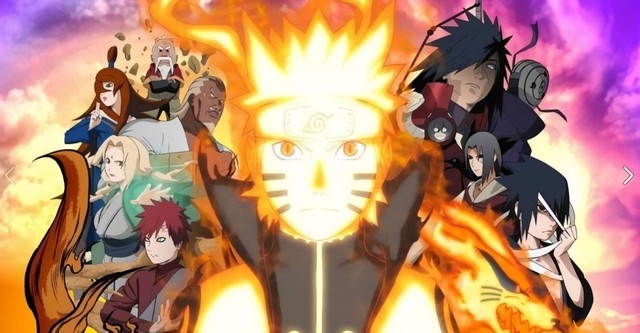
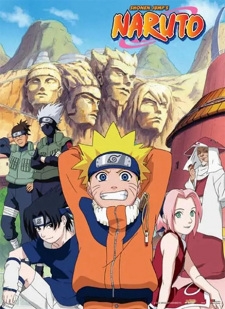
Naruto is the obvious comparison everyone makes. You've got the three-man cell structure with a teacher who wears a mask, just like Team 7. Yuji has a demon inside him like Naruto had the Nine-Tails. People point out that the power systems feel similar too. Cursed energy and chakra both come from internal reserves and require hand signs or specific techniques to use properly.
But where Naruto stretched its fights across ten episodes with lots of talking and flashbacks, JJK keeps things tight. The character development happens faster. You don't get the same level of filler bloat. When JJK fights start, they end quickly and violently. The animation supports this by being snappy and reactive rather than drawn out.
The Demon Slayer Problem
You can't talk about modern shonen animation without mentioning Demon Slayer. Ufotable raised the bar so high with their water breathing effects and particle physics that every other studio looks like they're playing catch-up. MAPPA definitely felt this pressure with JJK Season 1. They tried to match that level of polish with their own darker aesthetic.
The issue is that Ufotable has a specific pipeline that involves heavy digital compositing and 3D integration that most studios can't replicate without massive budgets and time. MAPPA tried to compete with hand-drawn density instead. It looked good but it wasn't sustainable.
Season 2 stopped trying to be Demon Slayer and started being JJK again. The animation got looser, sketchier, and more expressive. Some fans call it a downgrade but I think it's just honesty. Not every anime can look like a movie, and trying to force it creates burnout. JJK Season 2 accepts its limitations and uses them stylistically.
Why the Rough Style Works for Horror
JJK isn't just an action series. It's got horror DNA mixed in with the shonen tropes. You've got cursed spirits that look like nightmares, body horror with Mahito's techniques, and existential dread about death and meaning. Clean, shiny animation doesn't sell horror. Messy, rough animation does.
When Nobara gets hurt in Shibuya, the rougher art style makes it hit harder. It doesn't look staged or pretty. It looks painful and real. The sketchy lines add anxiety to the scenes. If everything looked polished and perfect, you'd lose that sense of danger.
This is where JJK distances itself from something like My Hero Academia. MHA keeps its heroes looking heroic and clean even when they're bleeding. JJK lets its characters look ugly, tired, and broken. The art style supports that narrative choice.
The Future of Shonen Animation
Every studio is watching how fans react to JJK's style shift. If Season 2's rougher look gets accepted as legitimate artistic choice rather than budget failure, we might see more anime take this route. The days of 200 episode runs with consistent quality are over. Seasonal anime with experimental animation might become the norm.
MAPPA took a risk by letting Season 2 look different. Some Reddit threads show fans still arguing about whether it was worth it. The hardcore manga readers seem to appreciate it more because they recognize the panel compositions. Anime-only viewers just see missing details and thinner lines.
At the end of the day, Jujutsu Kaisen anime animation art style shonen comparisons come down to what you value. Do you want every frame to be wallpaper-worthy, or do you want movement that feels alive even if it's messy? Season 1 gave you the first option. Season 2 gave you the second. Both work, but they work differently.
The show isn't trying to be Naruto or Bleach anymore. It's doing its own weird thing where the art gets loose when the fights get serious. That's not lazy. That's a choice. Whether you like that choice depends on if you trust the animators to know what they're doing. I think they do.
Frequently Asked Questions
Why does JJK Season 2 look worse than Season 1?
Season 2 uses rougher line work and brighter colors intentionally to improve fight choreography clarity and match Gege Akutami's manga sketch style. It isn't a budget issue but an artistic choice to prioritize movement over still-frame detail.
How is Jujutsu Kaisen similar to Naruto?
Both involve internal energy systems (cursed energy vs chakra) used for supernatural combat, three-person teams with a masked mentor, and protagonists hosting powerful demons. However, JJK moves faster with less filler and darker themes.
What is the best animated episode of JJK?
Episode 3 of Season 2 featuring Gojo vs Toji is widely considered the peak, with rough animation that enhances speed and impact, earning high ratings for its fluid choreography and emotional weight.
How does JJK animation compare to Demon Slayer?
Demon Slayer uses heavy digital effects and 3D integration for a polished, game-like aesthetic. JJK relies more on traditional 2D animation with sketchy, high-frame-count action that feels grittier and less processed.
Does the art style change affect the story?
Yes, the rougher style reflects the chaotic, violent nature of the Shibuya Incident arc. It makes the horror elements more disturbing and the fight damage more visceral compared to clean, polished animation.
Why do the characters look different in Season 2?
Characters like Yuji have thinner faces and sharper features, while Megumi has more voluminous hair. These changes align closer to the manga's later designs and help distinguish the characters during fast-paced action sequences.