
Jujutsu Kaisen Target Audience Demographics Own the 13 to 22 Age Bracket
Jujutsu Kaisen target audience demographics aren't just skewed young, they completely dominate the 13 to 22 bracket in a way that older franchises can't touch anymore. We're talking about 71.3% of the viewership sitting in that Gen Z range according to the Guinness World Records data pulled by Parrot Analytics. That's a massive chunk compared to One Piece pulling 56.7% in the same age group or Attack on Titan sitting at 64.4%. The numbers don't lie. This series didn't just become popular, it became the defining anime for a specific generation that doesn't want the same heroic optimism their older siblings grew up on.
You can see the split happening in real time if you look at who shows up to conventions versus who dominates TikTok edits. Older millennials and gen X fans are still grinding through thousand-episode shonen from the 90s. Meanwhile, JJK captured the kids who grew up with phones in their hands and anxiety about the future already baked into their worldview. It's not an accident. The show is built different, both in how it looks and what it says about being a hero in a system that's rigged against you.
This isn't just about age brackets on a spreadsheet either. The demographic data reveals something bigger about where the anime industry is heading. Traditional shonen formulas are losing ground to what people call the Dark Trio, JJK included, because younger viewers don't buy into the power of friendship saving the day anymore. They want something that matches the mess they see in the real world. That's exactly what Gege Akutami delivered, and the age breakdown proves it landed exactly where it was supposed to.
The Gen Z Numbers Are Stacked
The data from Parrot Analytics makes it crystal clear. Jujutsu Kaisen sits at 71.2 times the demand of the average TV show globally, and that demand is driven overwhelmingly by viewers aged 13 to 22. This isn't a small margin either. When you stack it against Attack on Titan, which already has a younger fanbase at 64.4% in that range, JJK still pulls ahead by nearly seven percentage points. One Piece looks even older by comparison, with less than 57% of its audience in that teen-to-early-twenties sweet spot.
What makes this weird is how Demon Slayer fits into the picture. You'd think a gorgeous action show like that would grab the same kids, but the average Demon Slayer fan is pushing 39 years old. That's almost double the age of the core JJK crowd. It turns out pretty animation and family-friendly vibes pull in the parents and the nostalgia crowd, while JJK's brutal honesty keeps the teenagers glued to their screens. The market research from Japan shows a slightly different story domestically, with the average age hovering around 28 to 29 for Japanese fans specifically, but globally it's that 13-22 range carrying the weight.
This age concentration matters for streaming numbers, merchandise sales, and how the show spreads online. Gen Z doesn't just watch content, they remix it, they meme it, they create secondary content that feeds back into the algorithm. That's why JJK clips blow up on platforms where One Piece clips go ignored by younger users. The demographic isn't just consuming, they're amplifying.
Why the Dark Trio Hits Different
People throw around the term Dark Trio to describe Jujutsu Kaisen, Chainsaw Man, and Hell's Paradise. These three showed up in Weekly Shonen Jump and immediately broke the mold of what that magazine usually published. CBR's breakdown points out that shonen used to mean straightforward adventure stories with clear moral lines. The Dark Trio said screw that and started killing main characters, showing gore that would make older anime look tame, and presenting heroism as a trap rather than a calling.
Younger viewers latched onto this because it doesn't talk down to them. When you're 15 and watching the news about climate disasters and economic collapse, a story about a kid who wants to be Pirate King feels naive. But a story about Yuji Itadori getting forced into eating a cursed finger and then realizing the system he's fighting for is corrupt? That resonates. The Oshikatsu MAP 2025 Autumn survey from Japan noted that this specific generation of late millennials and early Gen Z grew up in a less optimistic world than their predecessors. JJK doesn't promise happy endings. It promises survival, and sometimes not even that.
The animation style helps too. Studio MAPPA didn't hold back on the horror elements. The Shibuya Incident arc didn't just have fights, it had body horror and psychological trauma that looked more like a horror movie than a Saturday morning cartoon. That's exactly what the demographic wants. They didn't grow up on Saturday morning blocks anyway. They grew up on YouTube horror games and creepypasta forums. The gore isn't gratuitous, it's honest. Previous generations had to hunt for OVA tapes to see this level of violence. Now it's on Crunchyroll with a TV-MA rating that teenagers ignore because their parents don't understand anime ratings anyway. The visceral reality of the violence, the way characters stay dead or stay maimed, makes the stakes feel real. For a demographic that has seen real violence broadcast on social media since they were children, sanitized cartoon fights feel fake. JJK doesn't feel fake when Mahito reshapes a human body like clay.
How JJK Demographics Stack Against the Giants
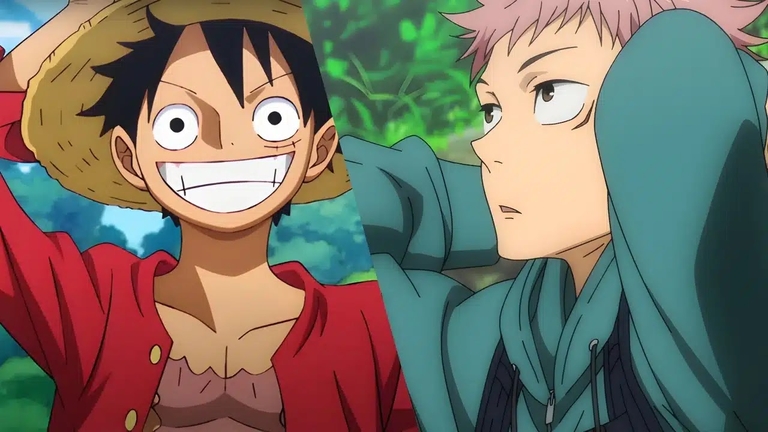
If you want to understand why Jujutsu Kaisen target audience demographics matter, you have to look at the titans it's competing with. One Piece has been running since 1999. Attack on Titan defined the early 2010s anime boom. Demon Slayer broke box office records. Yet JJK stole the crown for most in-demand anime globally, and the age data explains exactly how.
One Piece carries the weight of history. It's got fans who started watching in elementary school and are now in their thirties with kids of their own. That creates a multi-generational fanbase, but it also means the average age creeps up. The show's optimism about dreams and adventure appeals to people who grew up in the 90s and 2000s economic booms. Gen Z didn't get that economic boom. They got recessions and pandemic lockdowns. So One Piece feels like a fairy tale from another era, while JJK feels like it's happening in the apartment next door.
Attack on Titan sits in the middle. It's darker than One Piece, with more political intrigue and moral ambiguity. That's why it held the top spot for in-demand anime from 2020 until JJK took over. But even AOT, with all its betrayals and genocide themes, still has an older average viewer than JJK. The difference is in the tone. AOT is epic and historical, dealing with nation-states and millennia-old conflicts. JJK is immediate and personal. The characters worry about their grades and their relationships while fighting curses. That micro-focus on personal stakes rather than macro-scale war games clicks better with teenagers who are still figuring out their own immediate lives.
Demon Slayer is the weird outlier here. It looks like it should belong to the kids, with its bright colors and simple good-versus-evil story. But the data shows the average fan is 39. That's because it became a family phenomenon. Parents watch it with their kids. It offers comfort and clear moral lines in a confusing world. JJK offers no such comfort. The villains win sometimes. Good people die for stupid reasons. The system doesn't care about you. That's too dark for family viewing, but perfect for a 16-year-old who just got rejected from their first choice college and is doom-scrolling at 2 AM.
The Japan vs West Age Gap
Here's where it gets messy. The global data says 13-22 dominates. But surveys in Japan put the average age of JJK fans at 28 to 29 years old. That's a huge gap. Part of this is how anime consumption works differently across cultures. In Japan, Weekly Shonen Jump is literally sold in convenience stores and read by salarymen on trains. The domestic audience for shonen includes a lot of adults who grew up with the magazine and never stopped buying it.
Globally, anime is accessed through streaming services that track age data more precisely, and the international marketing for JJK targeted younger demographics hard. Crunchyroll and other platforms pushed JJK through TikTok campaigns and influencer partnerships that specifically hit the Gen Z algorithm. In Japan, the marketing was broader, catching the twenty-somethings who remembered the author Gege Akutami's previous works.
There's also the cultural context of the Shibuya Incident. That arc hit different for Japanese viewers who knew the actual Shibuya district, who lived through the 2011 earthquake and understood the specific brand of dread the show was selling. For international viewers, especially younger ones, it read as a cool urban horror setting. For Japanese viewers in their late twenties, it felt like a commentary on their own adult anxieties about societal collapse. The gap between Japanese and international demographics also comes down to access. In Japan, JJK aired on MBS and TBS during prime time slots that working adults could catch on their commute home. Internationally, it dropped on Crunchyroll at times convenient for American and European school schedules. A 28-year-old salaryman in Tokyo might catch the broadcast on the train ride home, while a 16-year-old in Ohio waits for the simulcast to drop after school gets out.
The cultural references land differently too. The jujutsu sorcerer system mirrors Japanese corporate hierarchies and bureaucratic frustrations that resonate with twenty-somethings entering the workforce. International Gen Z viewers see the same structure as a commentary on school administration or government incompetence, but the specific flavor of institutional rot in JJK is distinctly Japanese. That explains why older Japanese viewers feel it deeply while younger international viewers appreciate it as cool world-building.
Gender Split and the Gojo Factor
The demographics aren't just about age. Gender plays a huge role in why this show blew up. In Japan, the split is roughly 60% male and 40% female. That's a solid balance for a shonen series, which traditionally skews heavily male. Globally, the female fanbase might be even larger based on social media engagement and fan content creation.
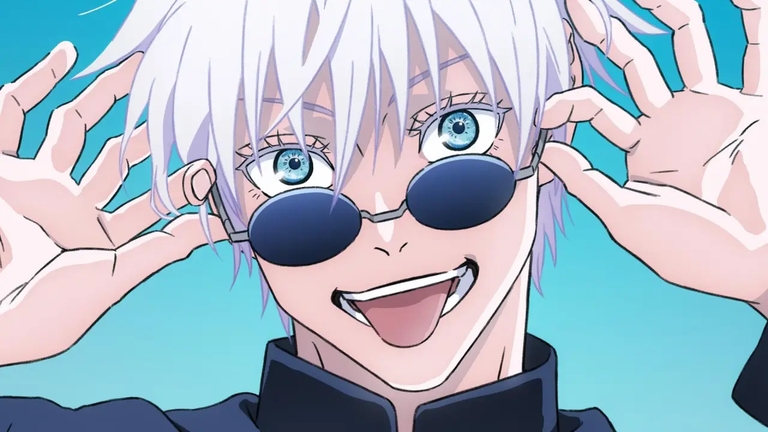
The reason is Satoru Gojo, mostly. But it's not just that he's hot or powerful, though that helps. The appeal runs deeper. Female fans gravitate toward the emotional complexity of the characters, particularly Gojo's trauma regarding his relationship with Geto. The show doesn't just give you a strong guy who wins fights. It gives you a strong guy who failed his best friend, who carries guilt, who masks his pain with arrogance. That's character writing that appeals to an audience tired of one-dimensional action heroes.
Nobara Kugisaki also changed the game. She wasn't the typical shonen female lead who exists to support the male protagonist or be a love interest. She had her own agency, her own violent tendencies, and her own goals. She didn't need rescuing. For female viewers aged 13 to 22, seeing a girl who could match the guys in brutality while still caring about fashion and her appearance was refreshing. It wasn't either/or. It was both. The 40% female viewership is actually massive for a battle shonen. Compare that to Dragon Ball or early Naruto, where female fans existed but weren't the target. JJK actively courts this audience without compromising the action. The female characters don't get sidelined during the big fights. Nobara gets her own solo battle against Mahito that ends in a draw, not a rescue. Maki Zenin gets an entire arc about rejecting family expectations that reads like a feminist text.
Gojo's design helps, obviously. The blindfold, the white hair, the playfulness masking pain, it's catnip for a certain type of fan fiction writer. But it's Megumi Fushiguro who really locks in the female demographic. His whole deal with the Zenin clan, his quiet suffering, his relationship with Sukuna, it hits the same notes that made Sasuke popular but with better writing and less edge. Female viewers aged 13 to 22 are tired of watching girls get fridged to motivate male characters. JJK kills its male characters just as often, and sometimes for the same emotional impact on other men, which creates a weird equality of suffering that this demographic respects.
Male fans tend to gravitate toward the power system mechanics. The cursed energy system is complicated in a way that feels rewarding to figure out. It's not just "try harder and you win." There's strategy, domain expansion, binding vows. It reads almost like a fighting game combo system. Teenage boys love breaking down those mechanics on Reddit threads and Discord servers.
Streaming Habits and Binge Culture
The way Parrot Analytics measures demand shows something interesting about how that 13 to 22 demographic actually watches. They don't sit down for weekly episodes the way older fans do. They binge, they rewatch, they create secondary content. The demand spikes for JJK didn't just happen on Saturdays when new episodes dropped. They happened on Tuesday nights at 11 PM when some kid finished their homework and decided to rewatch Gojo vs Toji for the fifteenth time.
This consumption pattern is different from One Piece fans who have a ritualistic relationship with weekly releases. The older demographic grew up on appointment television. They tune in at the same time every week because that's how they learned to consume media. Gen Z treats anime like they treat music, it's on in the background while they scroll, they loop specific scenes, they watch on phones instead of TVs. The demand calculation accounts for this by tracking social media engagement and piracy data alongside legal streaming numbers, which is why JJK ranks so high despite having fewer total episodes than its competitors.
The binge model also means emotional moments hit different. When you can immediately watch the next episode instead of waiting a week, the trauma piles up. The Shibuya Incident hit like a truck because viewers consumed it in chunks rather than spaced out doses. That intensity creates stronger attachment for younger viewers who haven't built up the emotional calluses that come from decades of watching characters die and come back to life in other series.
Why Cynicism Sells to This Specific Generation
There's a reason the 13 to 22 demographic rejected the optimism of previous shonen. This generation grew up with school shooter drills, economic uncertainty, and the visible collapse of various institutions. They don't trust the system. JJK mirrors that distrust perfectly. The Jujutsu higher-ups aren't wise mentors, they're corrupt bureaucrats. The villains aren't just evil for fun, they're often reacting to legitimate systemic failures.
Mahito, one of the primary antagonists, embodies this. He's a curse born from human hatred, and he represents the idea that evil comes from human nature itself, not some external force. You can't punch human nature into submission. The show confronts the idea that some traumas don't heal, some losses don't get redeemed, and some systems can't be reformed from within. That's heavy stuff for a 14-year-old, but it's what they're already thinking about.
Compare that to Naruto, where the answer to every problem is talking it out and finding common ground. Gen Z watched that approach fail in real life political discourse. They don't buy it anymore. They want stories that acknowledge that sometimes the other side isn't misunderstood, they're just wrong, and violence might be the only answer. JJK gives them that catharsis without pretending it's a happy solution. Chainsaw Man and Hell's Paradise share this demographic for the same reasons. All three feature protagonists who don't want to be heroes. Denji wants to touch a breast. Gabimaru wants to see his wife. Yuji wants to save people but keeps getting told his reasons aren't good enough. This anti-heroic motivation resonates with a generation told they need to save the world while being handed impossible economic and environmental odds.
Where the Demographics Are Heading
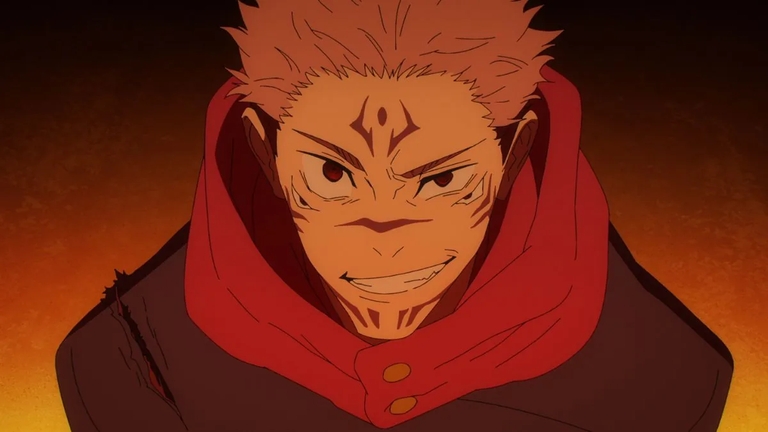
The data shows JJK isn't just a flash in the pan. It redefined what shonen could be for an entire generation. Future anime adaptations are looking at these numbers and realizing the 13 to 22 demographic has specific tastes. They want complexity, they want moral ambiguity, and they want animation quality that matches what MAPPA delivered.
We're already seeing the ripple effects. New shonen adaptations are leaning harder into horror and psychological elements. The era of the pure-hearted shonen protagonist who never kills might be ending. JJK proved you can have a protagonist who struggles with murder, who isn't sure he's the good guy, and who fails sometimes, and kids will love him more for it.
The demographic breakdown also suggests that as this Gen Z audience ages, they're going to carry these preferences with them. In ten years, we'll be looking at a generation of anime fans whose baseline expectation includes the darkness and complexity that JJK popularized. The target audience for future shonen will be these same people, just older, and they'll still want their stories to respect their intelligence and their anxieties.
You don't get a 71.3% Gen Z viewership by accident. The anime industry is projected to hit $36 billion by 2025, and the companies funding these adaptations know exactly who has disposable income. The average anime consumer in the US pulls in about $59,000 annually, but that's across all demographics. The Gen Z viewers don't have that income yet, but they have time, engagement, and influence over cultural trends.
MAPPA and the marketing teams leaned hard into the viral moments. They knew Gojo's eyes would break Twitter. They knew the Shibuya Incident would generate millions of TikTok edits. They didn't market this like a traditional adventure anime. They marketed it like a prestige drama with horror elements. The trailers emphasized the psychological dread and the beautiful animation rather than the power of friendship.
This targeted approach worked. While older fans were complaining about the pacing or the deviations from the manga, younger fans were creating the content that truly drives engagement. They made the AMVs, they drew the fan art, they wrote the theories. The demographic data isn't just a reflection of who watched, it's a reflection of who cared enough to make it their entire personality online.
Conclusion
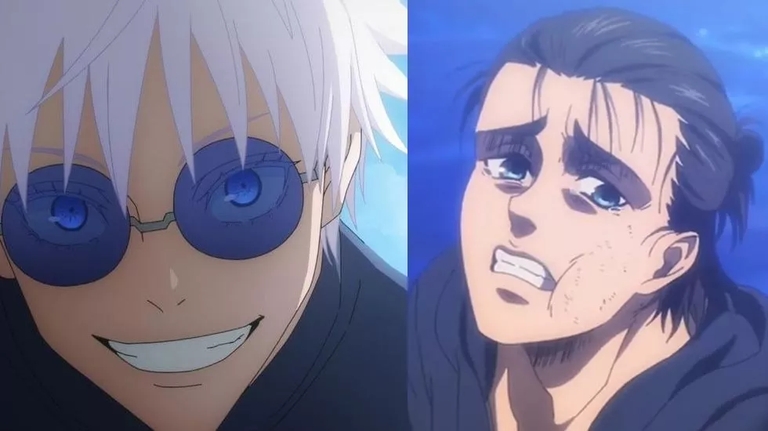
Jujutsu Kaisen target audience demographics reveal more than just who watches anime. They show a generational shift in what young people want from their stories. The 71.3% concentration of viewers aged 13 to 22 proves that Gen Z isn't interested in the same heroic fantasies that defined previous eras. They want stories that acknowledge the world is broken, that systems fail, and that surviving is often the only victory available.
This age bracket dominance explains why JJK overtook One Piece and Attack on Titan in global demand. It explains why the Dark Trio became a phenomenon instead of a niche interest. And it predicts where the industry is heading. The kids who grew up on JJK won't suddenly start liking simpler, happier stories when they turn 30. They'll want the same emotional honesty, the same visual spectacle, and the same refusal to talk down to them.
The dominance of Jujutsu Kaisen target audience demographics in the 13 to 22 range signals a permanent shift. Studios can't keep making anime for the nostalgic thirty-year-old and expect to hit these numbers. They have to make choices that appeal to the demographic that actually drives engagement. That means darker themes, better animation quality because screenshots will be dissected on Twitter, and character writing that respects the emotional intelligence of teenagers.
This isn't just about one show being popular. It's about an entire medium pivoting to serve a generation that treats anime as primary culture rather than niche interest. The kids who made JJK the most in-demand anime globally aren't going to age out of their preferences. They're going to age into positions where they fund the next wave of productions. When that happens, the industry will look back at the demographic data from 2023 and realize this was the inflection point. The torch didn't just pass to a new generation. The new generation grabbed it and demanded the fire burn hotter.
Frequently Asked Questions
What percentage of Jujutsu Kaisen fans are Gen Z?
According to Parrot Analytics data cited by Guinness World Records, 71.3% of Jujutsu Kaisen viewers fall between ages 13 and 22, covering Generation Z. This is significantly higher than competing shows like One Piece or Attack on Titan.
What is the average age of JJK fans in Japan vs globally?
Globally, the data shows 71.3% of viewers are 13-22. However, in Japan, surveys indicate the average fan age is 28 to 29 years old. This gap exists because shonen manga in Japan is read by working adults on commutes, while international marketing targeted younger streaming demographics.
What is the gender split for Jujutsu Kaisen viewership?
Surveys in Japan show a 60% male to 40% female split. Globally, female viewership may be even higher based on social media engagement. The appeal crosses gender lines through complex male characters like Gojo and strong female leads like Nobara who aren't sidelined.
How does JJK's audience compare to Demon Slayer's?
Demon Slayer averages 39 years old compared to JJK's younger base. While both have beautiful animation, Demon Slayer became a family phenomenon with clear good vs evil themes. JJK's darker, more cynical approach appeals specifically to teenagers rather than parents watching with kids.
What makes the Dark Trio different from traditional shonen?
The Dark Trio refers to Jujutsu Kaisen, Chainsaw Man, and Hell's Paradise. These series evolved shonen by incorporating gore, psychological horror, and moral ambiguity. They reject traditional optimistic tropes in favor of stories where heroism is a trap and the system is corrupt.