
Lena and Shin Relationship Development in 86 Eighty-Six Is The Only Plot That Matters

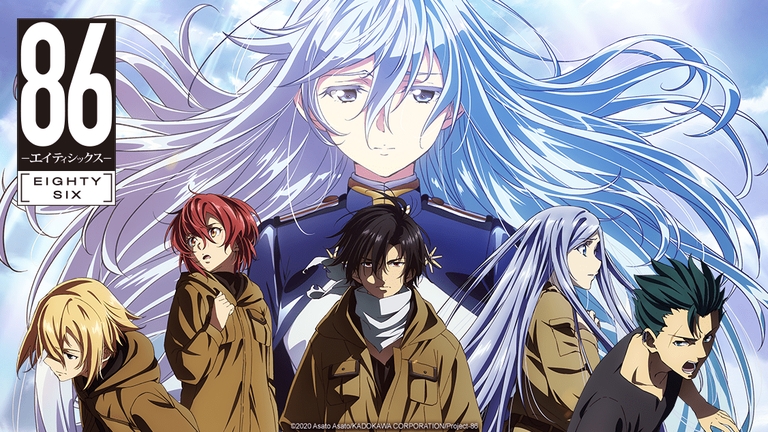
Lena and Shin relationship development in 86 Eighty-Six isn't some tacked-on romance to sell light novels. It's the structural backbone holding the entire story together. Without their connection evolving from distant voices across a battlefield to two people who can't live without each other, you've just got another mecha show about kids dying in robots.
Their arc moves through distinct phases that mirror the broader themes of the series. You start with the Republic's lies and the physical separation of the Alba and the 86, then watch that barrier crumble as Lena stops being a clueless officer and Shin stops being a death-seeking weapon. By the time they actually meet face to face in that field of spider lilies, the show has already done more legwork on their bond than most romance anime manage in twelve episodes.
The Handler and The Reaper
When Lena first picks up that Para-RAID and connects to Undertaker, she thinks she's doing her duty. She thinks she's being a good soldier by learning their names and treating the 86 like humans. Shin sees right through it. He's seen handlers come and go, each one breaking under the psychological weight of sending kids to die or going insane from the guilt. He gives her the bare minimum because he knows she'll crack like the rest.
But Lena doesn't crack. She keeps calling. She keeps asking about their lives, their pasts, their hopes. She breaks protocol to stay on the line longer than allowed. This isn't standard military procedure, and Shin knows it. He starts testing her, pushing to see where her breaking point is, waiting for her to flinch when he mentions the Legion or when he describes the battlefield in graphic detail.
The thing that hooks him isn't her kindness. It's her stubborn refusal to look away. When Kaie dies and Theo explodes at Lena over the radio, she doesn't retreat into bureaucratic safety. She doubles down. She asks for their real names. She memorizes them. She carries them like weights because someone has to bear witness to these kids dying in the dark. Shin recognizes this burden because he carries the names of every 86 who's died under his command. They're speaking the same language of survivor's guilt, just from opposite sides of a screen.
Promises Across the Wire
The turning point happens during that Revolution Festival scene. Shin asks her casually, almost as a joke, not to forget them. He doesn't expect her to actually remember. He's been forgotten by the Republic, by history, by every handler before her. But Lena takes that throwaway line and turns it into a lifeline. She promises she won't forget. She promises she'll carry them with her.
This is where Shin starts falling for Lena, though he wouldn't admit it for another three volumes. She's the first person to ever offer to remember him after he's gone. The 86 are programmed for disposability. Their entire existence is built around the idea that they'll die unmourned and unmarked. Lena's promise violates that fundamental premise of their world.
Their nightly conversations build a intimacy that's more intense than physical proximity. Sharing consciousness through the Para-RAID means she feels his exhaustion, his pain, his moments of dissociation when the Reaper takes over. She hears him process the deaths of his friends in real time. No handler has ever been this close to a Processor, and it breaks every rule the Republic has about keeping the 86 dehumanized.
When Spearhead leaves for the Special Reconnaissance Mission, effectively a suicide march into Legion territory, Shin doesn't say goodbye. He can't. But he leaves her that drawing of a cat, and he keeps her promise close. He fights to survive not because he wants to live, but because he promised to meet her again, and Shin Nouzen keeps his promises even when they cost him everything.
The Separation That Nearly Killed Them
The end of season one hits different because of what it does to both characters separately. Lena spends months thinking they're dead. She throws herself into becoming the Bloodstained Queen, abandoning her privilege and safety to fight on the front lines because she can't bear the thought of another group of 86 dying while she watches from a desk. She's trying to honor their memory by becoming worthy of the names she carries.
Meanwhile, Shin is literally walking through hell. He's fighting his brother's ghost, leading his friends deeper into certain death, and slowly losing his grip on his sanity. The only thing keeping him tethered is the memory of Lena's voice. When he hits rock bottom in episode 22, surrounded by Legion units and ready to give up, he hears her. She's not really there, but his mind conjures her because she's become synonymous with hope.
Their reunion in that field of red spider lilies is one of the most visually striking moments in modern anime, but what's important is the dialogue. Lena doesn't recognize him at first. She's too busy fighting. But when she realizes who he is, she doesn't collapse into his arms like a damsel. She stands her ground and tells him why she kept fighting. She tells him it was because he asked her not to forget. She made it to the end of those footprints he left behind.
This is where their relationship resets, but not in a good way. The reunion is awkward as hell because too much has changed. They've both survived things that should have killed them, and they're not the same people who talked through the radio anymore.
Resetting to Zero
When Lena joins the Eighty-Sixth Strike Package, she and Shin try to establish professional distance. They agree to be Major and Captain while on duty, Lena and Shin in private. This sounds reasonable on paper but fails immediately because you can't go back to being strangers after you've shared a consciousness.
Shin starts pulling away because he thinks she's burdened by the Republic's sins. He sees her guilt over what the Alba did to his people and assumes she can't see him as just Shin anymore. She sees him as the 86, as a victim, as someone she needs to save. This pisses him off because he's spent his whole life being seen as expendable, and now the one person he trusted is looking at him with pity.
Lena, meanwhile, thinks Shin is still trapped in the Eighty-Sixth Sector mentally. She watches him fight with no regard for his own safety and assumes he's still trying to die. She doesn't realize that now he's fighting for a future he wants to see, one where he gets to show her the sea. Their mutual misunderstanding in Volume 5 creates this painful gap where they're both trying to protect each other and failing because they won't actually talk about their feelings.
The professional superior-subordinate dynamic becomes a shield. They use military protocol to avoid addressing the fact that they're madly in love with each other and have been since before they met in person. It's frustrating to watch but realistic. These are two traumatized kids who've never had healthy relationships modeled for them. Of course they handle it like a disaster.

The Slow Burn Nobody Asked For But Everyone Needed
Volumes 4 through 6 of the light novel are where the slow burn really kicks in. The anime touches on this, but the novels dive deep into the small moments. Shin catching Lena when she slips on ice. Lena bringing him coffee and staying up late to review battle plans with him. They start using first names in private, then catch themselves and go back to ranks, then slip up again.
What's great about this phase is how the other characters react. Theo figures it out first because Theo sees everything. Raiden pretends not to notice but gives Shin endless crap about it. Annette, when she reconciles with Lena, immediately picks up on the crush and starts pushing Lena to confess. Even Frederica, the ten-year-old princess, calls Shin out for being obviously in love.
But Shin and Lena maintain this ridiculous pretense that they're just colleagues. They're not fooling anyone. The entire Strike Package knows their captain and major are pining for each other. It becomes this open secret that makes the battles harder because everyone knows if one of them dies, the other won't survive it psychologically.
The emotional breakthrough happens gradually. Lena stops trying to protect Shin from combat and starts trusting him to come back. Shin stops seeing Lena as fragile Alba nobility and starts seeing her as the soldier who fought through hell to find him. They meet in the middle, but it takes dozens of battles and several near-death experiences to get there.
The Confession That Changed Everything
Volume 7 is where the dam breaks. There's a ball scene, because every light novel needs a ball scene apparently, and Shin finally snaps. He can't do the professional distance thing anymore. He pulls Lena aside and confesses properly, telling her he loves her, that he's loved her since those radio calls, that she's the reason he survived the Special Reconnaissance Mission.
Lena's response is to panic-kiss him and then run away. It's messy and awkward and perfect for her character. She's spent the entire series being composed and professional, and the one time she needs words, she flees. This creates a month-long separation where they avoid each other entirely until Grethe Wenzel, their superior who has been shipping them since day one, forces them to talk.
On the Stella Maris, they finally sort it out. Shin kisses her properly this time, not a desperate panic kiss but a deliberate choice. This marks the shift from subordinates to partners, though they still maintain rank structure during battles because they're not stupid. They know emotions get people killed in combat.
Volume 8 adds the famous biting kiss scene, which is Shin being petty because she ran away from his first confession. It's weird and slightly aggressive but fits his personality. He's been carrying this weight for years, and she made him wait a month for an answer. He gets to be a little petty.
Making It Official and Moving Forward
By Volume 9, they're established as a couple. Lena confesses properly during a moment where Shin is breaking down over Theo's injuries. She holds him together and tells him she loves him, not as the Reaper, not as the 86, but as Shin. This is crucial because Shin's whole identity has been wrapped up in death and duty. Lena gives him permission to be a person instead of a weapon.
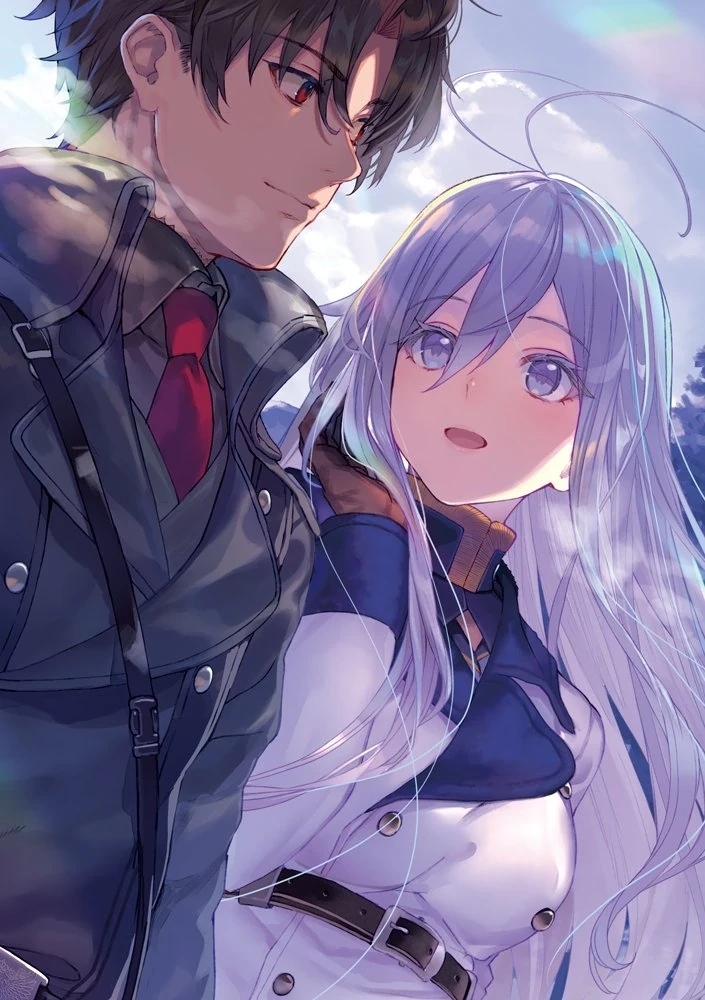
The light novels confirm they're officially together by Volume 9 with illustrations showing them being affectionate in private. The anime hasn't reached this point yet, but if we get a season 2 covering volumes 7-9, we'll see this progression animated.
What makes their relationship work isn't the romance tropes. It's that they save each other repeatedly in ways that matter. Lena saves Shin from nihilism. Shin saves Lena from helplessness. When Shin goes missing in the Mirage Spire battle and Lena nearly falls into despair, it's not because she's a weak female character. It's because she's already lost him once and can't survive losing him again. When he shows up injured but alive, she doesn't cry because she's relieved. She cries because she realizes she can't do this without him anymore.
Why This Romance Works in a War Story
Most war anime tack on romance as an afterthought. 86 integrates it into the trauma recovery process. Shin and Lena can't heal from what the Republic did to them alone. They need each other to process the guilt, the anger, and the survival's burden.
The relationship also avoids the power imbalance trap. Yes, she starts as his superior, but by the time romance enters the picture, they're equals in the Strike Package. She respects his combat experience. He respects her strategic mind. They fight side by side instead of one protecting the other.
The sea metaphor runs through the entire series as Shin's ultimate goal. He wants to show Lena the ocean because it represents a future beyond the war. It's something beautiful that exists outside the battlefield, and he wants to experience it with her. That dream keeps him human when the Reaper tries to take over completely.
Lena's development is equally tied to Shin. She starts as naive idealist who thinks kindness can fix systemic racism. Through knowing Shin, she becomes a pragmatic fighter who understands that kindness without power is meaningless. But she doesn't lose her softness. That's the point. Her softness is what Shin needs. The Bloodstained Queen persona is armor, but the Lena who talks to him at night, who worries about his sleep schedule, who learns to cook for him, that's the real her. And Shin is the only one who gets to see that version.
Looking at What Comes Next
Lena and Shin relationship development in 86 Eighty-Six sets a standard for how to do slow burn romance in genre fiction. It respects the characters' trauma while allowing them growth. It doesn't rush the physical intimacy until the emotional foundation is rock solid. It makes the romance essential to the plot rather than decorative.
If the anime continues, we'll see them navigating couplehood while fighting a war. That's a hard balance to maintain, but the light novels handle it by keeping them focused on survival first. They don't have time for lengthy dates or romantic gestures. They steal moments between battles, share looks across briefing rooms, and trust each other with their lives.
That's what makes them work. They're not just boyfriend and girlfriend. They're battle partners who chose each other in the middle of hell. And honestly, that's more romantic than any confession scene could ever be.
Frequently Asked Questions
Do Lena and Shin ever kiss in 86 Eighty-Six?
They don't kiss in the anime yet, but in Volume 7 of the light novel, Shin confesses at a ball and Lena panics and kisses him before running away. They share a proper kiss later on the Stella Maris, and Volume 9 confirms them as an official couple with another kiss.
Why does Shin fall in love with Lena?
Shin falls for Lena because she is the first person to promise to remember him after death. She treats the 86 as humans when everyone else sees them as disposable. Her stubbornness in staying connected to him through the Para-RAID, even when it hurts her, shows him that someone actually cares whether he lives or dies.
How long until Lena and Shin get together?
It takes until Volume 7 of the light novel for Shin to confess, and Volume 9 for them to become an official couple. The anime covers up to around Volume 3, so we haven't seen the romantic payoff animated yet. A potential season 2 would cover volumes 4-9 where the romance develops.
Do Lena and Shin stay professional after getting together?
Yes, they maintain a strict professional superior-subordinate relationship while on duty even after confessing their feelings. They only use first names and act like a couple in private. This mature approach to separating their military roles from their personal relationship is a highlight of the series.
What is the significance of Rei in their relationship?
Rei Nouzen is Shin's older brother who died and became part of the Legion. Lena has positive memories of Rei from when they were children, and this shared connection to Rei helps Shin trust Lena. It bridges the gap between them because Lena knew a version of Rei before the tragedy, representing a past Shin thought was lost.