
Mecha Anime Themes and Tropes That Power the Genre
Mecha anime themes and tropes haven't changed much since Go Nagai drew Mazinger Z in 1972 and decided a teenager should drive a giant metal god like it was a car. Every single season some new show drops and within three episodes you've got a kid who has no business being near military hardware falling butt-first into a cockpit, saving the world through sheer screaming volume, and developing a rivalry with some bleach-blonde pretty boy in a crimson custom unit. It is weirdly comforting how predictable this all is.
The genre splits into two camps that every fan learns about five minutes after watching their first episode. You've got your Super Robots and your Real Robots, and the difference isn't about power levels like some people think. Super Robot shows treat the machine like a superhero, a one-of-a-kind wonder weapon powered by hot blood, ancient lost technology, or sheer audacity. Real Robot shows, kicked off by Mobile Suit Gundam in 1979, treat the mecha like mass-produced military hardware that runs on actual fuel and breaks down when you shoot it enough. Both approaches use the same bag of tricks though, just filtered through different lenses of plausibility.
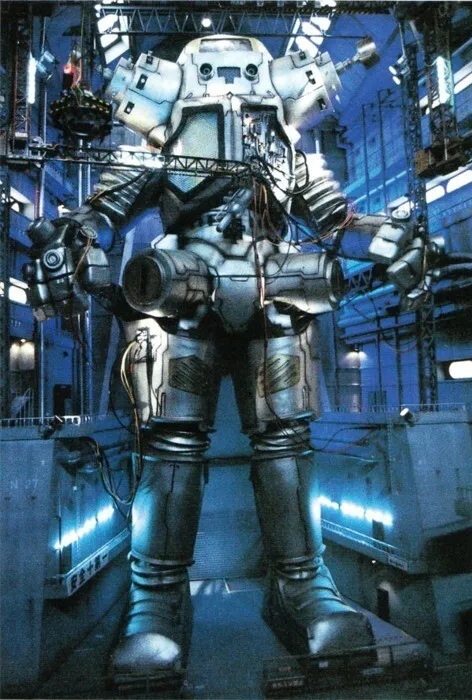
Super Robot vs Real Robot: The Great Divide
Super Robot anime runs on what fans call the Rule of Cool, which basically means if it looks awesome the physics don't matter. Mazinger Z threw rocket punches and breast fire beams while Getter Robo introduced the combining jet formation that every show copied afterward. These machines are often built by mad scientists or dug up from ruins of dead civilizations, they're practically indestructible except when the plot needs them to take damage, and they respond to the pilot's fighting spirit more than any control stick. The pilots yell attack names because the robot literally runs on enthusiasm and shouting makes the attacks hit harder, that's just how it works.
Real Robot stuff started when Yoshiyuki Tomino got tired of making hot-blooded hero shows and decided to write a war story where the robots were just vehicles. Gundam changed everything by showing mecha as mass-produced grunt suits that got shot to pieces by bazookas, needed maintenance crews, and ran out of ammo. Armored Trooper VOTOMS pushed this even further, presenting the Scopedog as basically a four-meter tall walking tank that was disposable, ugly, and broke constantly. In these shows the mecha are weapons of war manufactured by the thousands, piloted by soldiers who drink coffee and complain about their paychecks, and they don't get stronger just because the protagonist is angry.
But here's the thing, modern shows love to blur this line until it is practically meaningless. Neon Genesis Evangelion threw a curveball by making the Evas look like Real Robot military hardware but then revealing they're actually cloned eldritch abominations wearing armor plates. The discussion on Reddit about this distinction points out that by the time you get to Gundam 00 or Gurren Lagann, you've got Real Robot aesthetics mixed with Super Robot power scaling. God Gundam is technically a Real Robot show but the main unit performs martial arts that break the sound barrier while the pilot wears a motion capture suit that shoots energy balls. Classification gets messy and that's fine, but knowing the split helps you understand why some shows feel like military documentaries and others feel like screaming matches.
The Teenage Pilot Problem
Every mecha anime has the same recruitment strategy which is to grab the nearest fourteen-year-old and throw them into the most expensive piece of military equipment on the planet. According to the breakdown on TV Tropes, this happens through the "Falling Into the Cockpit" trope where the kid stumbles into the launch bay during an attack, or the "Kid with the Remote Control" setup where they inherit the robot from a dead parent. Sometimes there's a psychic link involved, sometimes the kid is the only one who can synchronize with the alien core, and sometimes the military is just desperate and the kid was standing there.
There's a weird psychological layer to this that older fans talk about where the giant robot represents a father figure replacement or a coming-of-age metaphor. Jungian analysis aside, the practical reason is that shonen manga runs on power fantasy and nothing says power fantasy like skipping high school to drive a fifty-foot death machine. The shows usually handwave the child soldier aspect by saying the neural interface only works with young adaptable brains, or the enemy is so scary that Draft Age laws got thrown out the window, or the pilot is actually a clone who ages fast so he's technically an adult in a teen body. Code Geass tried to justify it by making the protagonist a genius strategist who stole the mecha, but even then he's still a seventeen-year-old commanding armies.
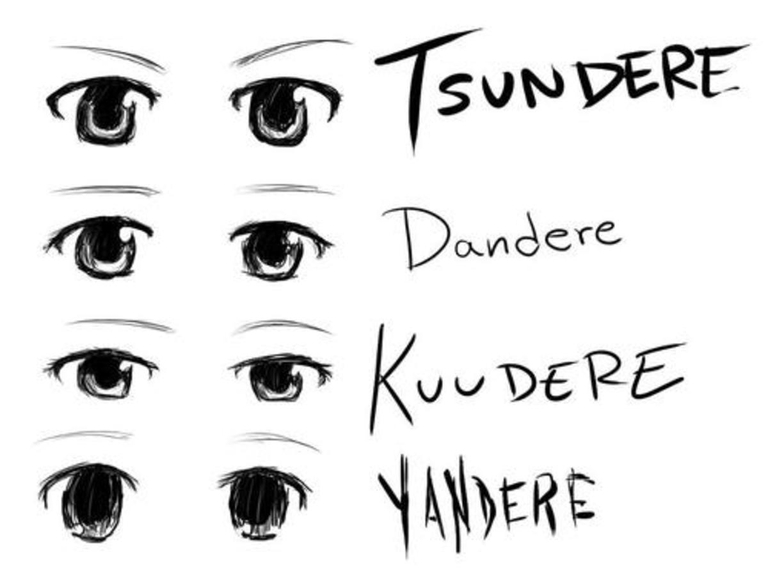
The love interests always live in the same house too, which is another trope that refuses to die. You've got the tsundere who yells at the protagonist but secretly likes him, the mysterious girl who might be an alien or a clone, the older woman officer who drinks too much coffee, and sometimes the villain's daughter who switches sides because the protagonist is nice to her. They all end up in the same cramped base sharing one bathroom and eating cafeteria food together while the fate of the world hangs in the balance. It is messy and weird and honestly kind of annoying after you've seen it fifty times, but it keeps showing up because it works for character dynamics.
Weapons That Make Zero Tactical Sense
Mecha anime weapon design peaked with the Rocket Punch and nobody has topped it since. Mazinger Z would fire its forearms off like missiles and they'd fly back on chains or just magically reattach later. This makes no engineering sense whatsoever but it looks cool as hell so every Super Robot show has some variation, whether it is GaoGaiGar's Broken Magnum or Gunbuster's Buster Beam that cuts planets in half. The TV Tropes page on Mecha catalogs how these attacks often require the pilot to scream the name aloud, which is tactically stupid because you're warning the enemy, but genre-wise necessary because the volume of your voice directly correlates to the damage output apparently.
Real Robot shows try to ground this with scaled-up infantry weapons like beam rifles, hyper bazookas, and giant heat hawks for melee combat, but even they fall into the trap of giving every protagonist a unique custom weapon that defies logic. Gundam Wing has the Zero System which is basically magic precognition, Gundam 00 has Trans-Am which makes the robot glow gold and move three times faster with no explanation beyond particle physics babble. Tengen Toppa Gurren Lagann takes the drill motif to its logical extreme by eventually having mecha that throw galaxies like shuriken.
The Itano Circus is another staple, named after animator Ichiro Itano who pioneered the Macross Missile Massacre where a single mecha fires fifty missiles that chase the target in impossible corkscrew patterns while the pilot dodges through explosions. This looks incredible but violates every law of aerodynamics and ammunition storage. The guide on Reddit mentions that these sequences eat up animation budgets like crazy which is why you see them recycled as stock footage in every episode after the first use.
Combining Mecha And The Five-Man Band
Getter Robo invented the combining robot in 1974 and anime has been riding that wave ever since. The formula requires three to five vehicles, usually color-coded, that dock together to form a single humanoid robot. The red one always forms the chest and head because the leader sits there, the blue one is usually the legs or left arm and belongs to the cool rival character, the yellow one is the right arm or shoulders and goes to the strong guy, and if there's a green and pink set they handle the feet or weapons and belong to the smart guy and the girl respectively. This is so standardized that you can predict character deaths based on which cockpit gets hit first.
Voltron, Power Rangers, and every Brave Series show follows this pattern religiously. The combination sequence takes thirty seconds of screen time with the same animation cels repeated every episode, sometimes set to the same music track. Enemies always stand there watching instead of shooting, which is one of those genre conventions you just accept because if they interrupted the docking sequence the show would be over in three episodes. Gurren Lagann parodied this by having the mid-season upgrade literally throw the enemy mecha at the other enemies while combining, acknowledging how silly the waiting period is.
Why Tanks Are Always Useless
Every mecha anime has to address why they built fifty-foot humanoid robots instead of just using tanks and jets, and the answer is usually some handwave about maneuverability in three dimensions or the ability to turn around in space or just that the alien enemy is immune to conventional weapons. The RPG.net forum discussion points out this is a persistent cliche where normal military hardware gets swatted aside like flies while the mecha saves the day, which makes you wonder why the military budget even exists if one prototype robot does the work of ten thousand tanks.
Gasaraki tried to fix this by showing Tactical Armors that were only slightly bigger than tanks and required extensive support crews, but even then the show fell into the trap of having them outperform everything else. Patlabor probably came closest to realism by making the mecha construction equipment and police tools first, weapons second, showing them vulnerable to electrical failures and bad weather. But for the most part, mecha are superior because the story says they are, powered by plot armor thicker than their armor plates.
The Mid-Season Upgrade Grift
Around episode twelve to fifteen, the hero's robot always gets wrecked. It gets torn in half, blown up, or revealed to be holding back its true power the whole time. This coincides perfectly with the toy companies releasing the new model kit or action figure. The upgrade usually adds wings, turns the armor from white to black or gold, and gives the protagonist a weapon powerful enough to one-shot the enemies that were giving them trouble before. This is transparent marketing but fans love it anyway because the new designs usually look awesome.
Gundam perfected this with the Core Block System allowing the RX-78-2 to swap parts, then Zeta Gundam introduced the Wave Rider transformation, and every series since has had some version of the Super Mode where the eyes glow and the power output hits 400%. Evangelion subverted this by having the upgrade be the protagonist's mom's soul getting angry, which was less about new toys and more about psychological horror, but most shows aren't that subtle.
Deconstruction And The Depressed Pilot
You can't talk about mecha anime themes without mentioning how Neon Genesis Evangelion broke the genre over its knee in 1995. The Wikipedia entry notes that Hideaki Anno took all the standard tropes, the teen pilot, the combining mecha, the ancient superweapon, and asked what kind of psychological damage this would actually inflict on a child. Shinji Ikari doesn't want to pilot the robot, he's scared, he's depressed, and the show spends more time on his therapy sessions than on robot fights. This influenced everything that came after, from RahXephon to Fafner to Bokurano where piloting the mecha literally kills the pilots slowly.
But then Gurren Lagann swung back the other way in 2007, taking the same hot-blooded spirit of the 70s but ramping it up until the final battle takes place on a scale of millions of light-years. It said yeah these tropes are ridiculous but let's celebrate that ridiculousness instead of wallowing in it. Modern mecha anime now oscillates between these two poles, either gritty military realism with traumatized soldiers or absurd escapist fantasy where believing in yourself creates drill-shaped starships.
The Finale Always Goes Off The Rails
Mecha anime endings are notorious for being incomprehensible, depressing, or both. Space Runaway Ideon ends with the destruction of the universe. Evangelion ends with everyone turning into orange juice or a live-action sequence depending on which version you watch. Gundam Wing ends with a pacifist speech somehow stopping a war machine. The final episode usually involves the mecha growing to impossible sizes, achieving some kind of godhood, or the protagonist having a psychotic break while floating in psychic space.
The CBR article mentions that fans are tired of the "Gainax Ending" where the studio runs out of money and throws together abstract symbolism and still frames. But even with big budgets, mecha shows love to go cosmic for the finale. Tengen Toppa Gurren Lagann has mecha throwing galaxies. Diebuster has a robot the size of Earth. Even relatively grounded shows like Code Geass end with psychic battles and world-reshaping superweapons.
Why We Keep Watching Anyway
Despite knowing every beat before it happens, mecha anime remains solid because the core fantasy is timeless. Who doesn't want to climb into a machine that makes them powerful enough to change the world? The tropes are comfortable like an old jacket. You know the rival is going to show up in episode three, you know the mid-season upgrade is coming, you know someone is going to scream about friendship or justice before the final attack, and that predictability is weirdly satisfying.
The breakdown of mecha anime themes and tropes covers how these elements define the genre because they work. The teenager represents potential, the giant robot represents power, and the combination represents growing up and taking control. Whether you want the gritty military drama of VOTOMS or the screaming passion of GaoGaiGar, the genre has you covered. It doesn't need to change because it already perfected its formula fifty years ago, everything since has just been remixing the same ingredients into slightly different shapes.
Frequently Asked Questions
What is the difference between Super Robot and Real Robot anime?
Super Robots are unique, often magical or ancient machines that run on hot blood and shouting, while Real Robots are mass-produced military hardware that break down and need ammo. Think Mazinger Z versus Mobile Suit Gundam.
Why are mecha pilots always teenagers?
The in-universe excuse is usually that teenagers have adaptable brains for the neural interface, or high "synchronization rates" with the machine. The real reason is that shonen manga targets teen boys and power fantasies sell better when the hero is the same age as the reader.
Why do pilots shout their attack names?
It started with Mazinger Z in 1972 and became a genre staple because it looks cool. In Super Robot shows, yelling the attack name literally powers it up through fighting spirit. In Real Robot shows it is just tradition, though tactically stupid.
When does the mid-season upgrade usually happen?
Around episodes 12-15 when the hero's mecha gets wrecked and the toy companies need to sell the new model kit. This upgrade usually adds wings, turns the armor black or gold, and gives a weapon that one-shots previous enemies.
How did Neon Genesis Evangelion change mecha anime?
Evangelion took all the standard tropes like teen pilots and ancient superweapons and asked what kind of psychological trauma this would actually cause, resulting in depressed pilots and cosmic horror instead of hot-blooded heroics.