
My Happy Marriage Anime Review and Themes That Actually Matter
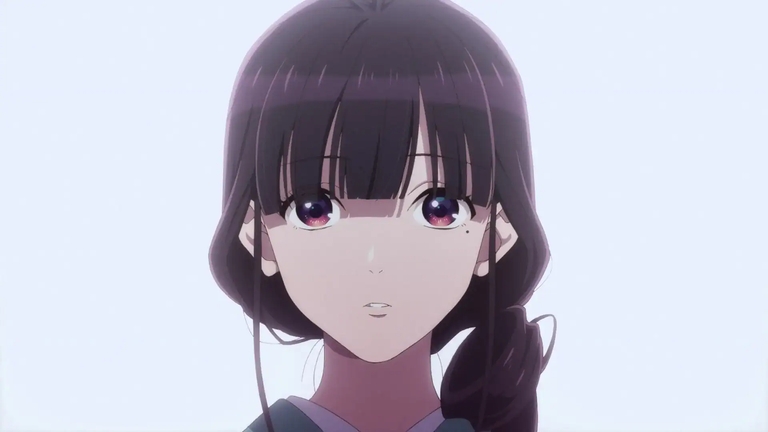
My Happy Marriage anime review and themes discussions usually miss the point by calling it just another fluffy romance. This show is brutal. It opens with Miyo Saimori getting treated like garbage by her own family, scrubbing floors while her stepsister lounges around, and you immediately feel the weight of years of abuse pressing down on her shoulders. The anime doesn't pull punches showing how systematic neglect breaks a person down until they believe they're worthless. That's the hook. Not the pretty clothes or the eventual romance, but the raw depiction of a girl who thinks she deserves nothing because that's all she's ever been told.
The setup is straightforward enough. Miyo gets shipped off to marry Kiyoka Kudou, this military commander with a nasty reputation for driving away previous fiancées. Her family basically expects him to throw her out or worse. What they don't expect is that Kiyoka's 'coldness' is actually just boundaries and that he can spot abuse victims from a mile away because he's been burned before too. The story isn't about a prince saving a princess. It's about two damaged people learning to trust each other while external forces try to tear them apart. That's where the real meat is.
The Core Setup That Hooks You
Miyo's backstory is heavy stuff. Her mother died, her father remarried a horrible woman named Kanoka, and suddenly Miyo went from noble daughter to servant girl. We're talking locked in storage sheds, denied meals, forced to do manual labor while her half-sister Kaya gets everything. The anime shows this through small details. Miyo flinches when someone raises their hand. She apologizes for existing. She doesn't even dream of escape because she thinks this is her fate. That's not lazy writing. That's what happens when abuse becomes normalized.
The historical setting helps sell this tragedy. The anime takes place in a fictionalized Taisho era where arranged marriages are standard and women have limited options. Miyo can't just run away and get a job. She's property being transferred from one household to another. Her father sends her to Kiyoka specifically because he thinks Kiyoka is cruel enough to break her completely or discard her. The political maneuvering here is messy. The Saimori family wants to dump their 'useless' daughter, the one without supernatural powers, while keeping the gifted Kaya for a better alliance.
Kiyoka enters the picture with a reputation for being ruthless. Previous engagements failed because he supposedly terrified the women. The truth is more complicated. He's a military man tasked with fighting Grotesqueries, these supernatural monsters threatening the capital. He's seen too much death and he's tired of noblewomen who see him as a status symbol rather than a person. When Miyo shows up expecting cruelty and instead finds neutrality, it throws her off balance. He doesn't hit her. He doesn't demand she serve him hand and foot. He just asks her to be honest. That's revolutionary to someone who's been beaten down for years.
The early episodes focus on this adjustment period. Miyo waiting for the other shoe to drop. Kiyoka slowly realizing that her timidity isn't an act but trauma. Their first meal together is awkward as hell because Miyo expects poisoned food or punishment. Kiyoka has to explicitly tell her she can eat without permission. These small moments of kindness rebuild her trust brick by brick. It's slow, painful, and realistic for a victim of long-term abuse.
Why This Isn't Just Another Cinderella Story
Yeah, the parallels are obvious. Evil stepmother, spoiled stepsister, forced labor, eventual rescue by a wealthy man. But calling My Happy Marriage a simple Cinderella retelling misses the supernatural elements and the psychological depth. Miyo doesn't just need a dress and a ball. She needs therapy and safety. The anime spends serious time showing that love doesn't fix trauma overnight. Even after moving into Kiyoka's mansion, she has nightmares. She panics when she makes mistakes. She can't accept gifts without feeling guilty.
The supernatural twist comes from Miyo's bloodline. She's descended from the Usuba clan, known for powerful psychic abilities called Dream-Sight. Her family hid this from her. They told her she was worthless because she lacked the standard 'Spirit-Sight' that most nobles have. The truth is she's potentially more powerful than anyone in her family, but her trauma blocks her abilities. This isn't a power fantasy where she suddenly becomes a goddess and smites her enemies. Her powers manifest uncontrollably when she's under extreme stress, which is dangerous for everyone around her.
Kaya, the stepsister, isn't just jealous for no reason. She's been raised to see Miyo as competition, fed lies by her mother Kanoka about how Miyo is a threat to their status. The anime gives glimpses of Kaya's insecurity. She knows she's second best in terms of bloodline purity, so she overcompensates with cruelty. When everything falls apart for her family, Kaya doesn't get a redemption arc immediately. She gets sent to work as a servant in a harsh household, experiencing exactly what she put Miyo through. That's poetic justice, not forgiveness.
The arranged marriage aspect gets complicated too. In real Cinderella stories, the prince is often a blank slate. Kiyoka has his own baggage. Previous women tried to use him for his position or were terrified of his job hunting monsters. He built walls to protect himself. Watching him lower those walls for Miyo isn't instant. He tests her. He watches how she treats servants. He notices she doesn't ask for jewelry or status, just safety. That's why he falls for her. Not because she's pretty and suffering, but because she's kind despite having every reason to be bitter.
The Animation and Sound Design Choices
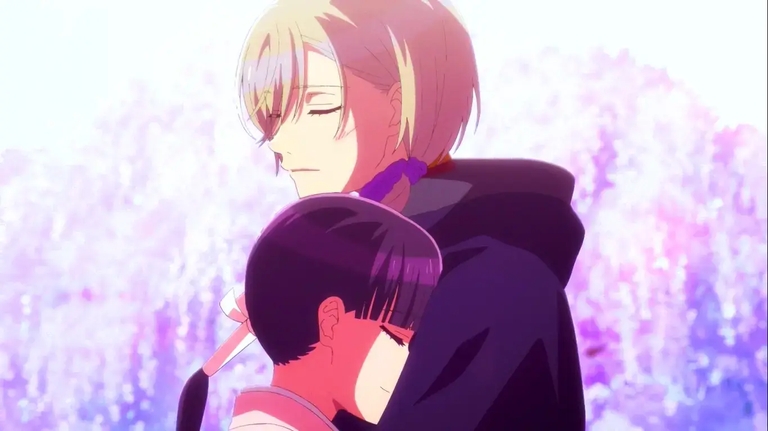
Kinema Citrus handled the production and they went hard on the atmosphere. The color palette shifts depending on Miyo's emotional state. When she's at the Saimori house, everything is gray and washed out, full of shadows and dust. Once she moves to the Kudo residence, the colors warm up. Golden sunlight filters through windows. The gardens are lush and green. It's not subtle symbolism but it works because you feel the shift in your gut.
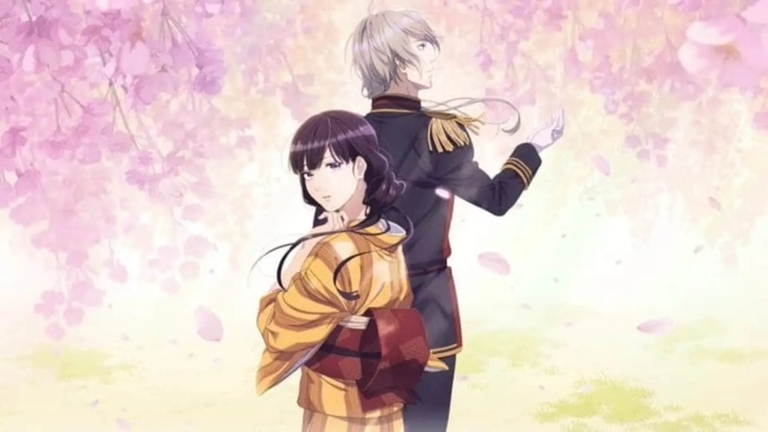
Character designs by Shoko Yasuda keep the period accuracy tight. The kimonos are detailed with proper patterns that reflect the characters' status. Miyo starts with plain, worn fabrics in dull colors. As she gains confidence, she wears brighter colors and better materials. The famous scene where Kiyoka sees her in a cherry blossom patterned kimono hits different because you see him react to her not as a victim but as a woman. His face actually changes. He goes from stoic military commander to flustered guy seeing his fiancée looking beautiful.
Evan Call composed the soundtrack and if you know his work from Violet Evergarden, you know what to expect. He mixes traditional Japanese instruments like the koto with Western orchestral arrangements. The result is this haunting, melancholic sound that fits the historical fantasy setting perfectly. The opening theme isn't just catchy. It tells a story about breaking free from chains. The background music during emotional scenes ramps up the tension without overpowering the voice acting.
Speaking of voices, Reina Ueda plays Miyo and she absolutely carries the early episodes. Her voice starts as this soft, whispery thing full of hesitation. As Miyo heals, the voice gets stronger, warmer. There's an episode where Miyo stands up to her stepmother and the shift in vocal tone gives you chills because you can hear the character taking agency for the first time. Kaito Ishikawa as Kiyoka modulates from sharp and commanding to gentle and encouraging. He makes the character feel dangerous but safe at the same time, which is a tricky balance.
Where the Story Loses Its Footing
Let's be real about the problems. The second half of season one shifts gears hard. The first six episodes are pure romance and psychological drama. Then suddenly we're dealing with monster attacks, political conspiracies, and Miyo's family kidnapping her for her bloodline. Some viewers love this because it raises the stakes. Others feel like it betrays the quiet intimacy of the early episodes by turning into a supernatural action show.
The pacing gets weird around episodes eight through ten. The Usuba family shows up out of nowhere trying to claim Miyo, and their motivations feel rushed. In the light novels, there's more setup for this faction. The anime compresses it to fit the season format, so suddenly you have these new characters with unclear allegiances creating confusion. The action scenes, while pretty, don't hit as hard as the emotional conversations.
Kiyoka's rescue of Miyo in episode six is visually stunning but logistically annoying if you think about it too hard. He burns down the Saimori estate while carrying an unconscious Miyo out slowly. The building is collapsing around them and he's just walking. It looks cool but breaks immersion for anyone wondering about smoke inhalation or burning debris. Small nitpick, but it pulls you out of the moment.
The villain portrayals are one-dimensional in places. Kanoka and Kaya are cruel because the plot needs them to be cruel. We don't get deep dives into Kanoka's psychology beyond 'she's evil and wants status.' Kouji Tatsuishi, the childhood friend who wanted to marry Miyo, gets better treatment. His arc about accepting that he can't save her and that she's happier with Kiyoka is genuinely mature. More of that nuance applied to the female antagonists would have helped.
The Real Themes Underneath the Fantasy
Under all the pretty animation and supernatural powers, My Happy Marriage anime review and themes discussions should focus on what it's really saying about worth and agency. Miyo starts the story believing her value is zero because she can't see spirits and because her family treated her like trash. The show argues that your value isn't determined by your utility to others or your magical abilities. It's about your character. Miyo is kind, hardworking, and resilient. Those qualities make her priceless, not her bloodline.
The arranged marriage trope usually gets handled badly in romance media. Either it's played for comedy with the couple hating each other then falling in love instantly, or it's pure Stockholm syndrome fantasy. Here, the power dynamics are carefully handled. Kiyoka holds all the power initially. He's the head of the household, the military commander, the one with money and status. But he consistently checks in with Miyo. He asks what she wants. He validates her feelings. That's modeling healthy relationship dynamics in a historical setting where men didn't have to do that.
Trauma recovery isn't linear in this story. Miyo has setbacks. When she sees her stepsister again, she regresses. She forgets she's safe and starts apologizing again. Kiyoka doesn't get annoyed by this. He understands that healing takes time and that triggers happen. That's rare in anime where usually the power of love cures everything instantly. Here, the power of love provides safety so that Miyo can do the hard work of healing herself.
Hazuki, Kiyoka's sister, represents an alternative path for women in this society. She got divorced from a political marriage and her family supported her choice. She tells Miyo that women have options, that they can work, that they don't have to stay in bad situations. That's a feminist message woven organically into a historical setting without anachronism. Hazuki isn't a modern woman dropped into the past. She's working within the constraints of her time to live authentically.
The Grotesqueries, the monsters Kiyoka fights, work as metaphors for the ugliness in human nature. They're drawn to negative emotions, to abuse and hatred. Miyo's family literally attracts these creatures through their cruelty. Meanwhile, Kiyoka's household repels them through kindness and order. The supernatural elements serve the theme that goodness is its own kind of power, not flashy but protective.
Final Thoughts on This Messy Beautiful Show
My Happy Marriage isn't perfect. It has pacing issues. Some of the side characters are flat. The shift from intimate romance to fantasy action might annoy purists who wanted twelve episodes of quiet domestic healing. But when it works, it works incredibly well. The central relationship between Miyo and Kiyoka feels earned. Every step of their trust-building is shown, not told.
The anime succeeds because it takes Miyo's pain seriously. It doesn't rush her recovery. It shows that kindness can rebuild a person but only if they're given space and safety to accept that kindness. Kiyoka isn't a savior on a white horse. He's a guy with his own issues who recognizes a kindred spirit and chooses to be gentle. That's way more romantic than grand gestures.
For anyone tired of isekai power fantasies or high school rom-coms, this offers something different. It's adult in the sense that it deals with adult themes like abuse recovery, arranged marriages, and political responsibility. The historical setting adds texture without becoming a history lesson. You don't need to know the difference between Meiji and Taisho eras to feel the social constraints pressing down on these characters.
Season two is airing now and it's expanding the supernatural lore while keeping the relationship development central. If you haven't watched season one yet, it's worth your time despite the flaws. Just go in knowing that it's heavier than the title suggests. This isn't pure escapism. It's a story about finding happiness after trauma, which makes the eventual joy feel deserved rather than cheap.
If you want a romance that respects your intelligence while delivering the emotional payoff of a good love story, check this out. The animation is gorgeous, the music haunts you for days, and Miyo's growth from a broken girl to a confident woman is satisfying to watch. It proves that shoujo anime can be complex, dark, and hopeful all at once without losing its heart.
Frequently Asked Questions
Is My Happy Marriage historically accurate?
No, it blends the Taisho era with supernatural elements. While the clothes, architecture, and social structures are period-accurate, the addition of spirit-sight powers and Grotesqueries makes it historical fantasy rather than straight historical fiction.
Does Miyo stay weak throughout the series?
Miyo starts as a classic damsel in distress due to severe abuse, but she develops significantly. By the end of season one, she confronts her abusers, develops her own supernatural powers, and chooses her own path forward. Her strength is emotional and psychological rather than physical for most of the series.
How does the anime compare to the light novels?
The anime covers roughly the first three light novels. Season two continues into later volumes. There are significant differences in how quickly certain plot points resolve and some character motivations are simplified for the anime format.
Where can I watch My Happy Marriage?
Yes, it's available globally on Netflix. The dub produced by Iyuno-SDI Group is solid and captures the emotional nuances well, though some fans prefer the original Japanese performances by Reina Ueda and Kaito Ishikawa.
What makes this different from other shoujo anime?
It redefines the genre by incorporating magical realism and focusing on psychological trauma recovery. Unlike typical shoujo where love fixes everything instantly, this shows healing as a slow process. It also avoids the 'powerless protagonist becomes goddess' trope by making Miyo's growth emotional rather than just physical.