
My Next Life as a Villainess Anime Analysis Reveals the Bakarina Method
My Next Life as a Villainess anime analysis usually starts and stops with the elevator pitch. Girl dies, wakes up as the villainess in an otome game, realizes she is doomed to die or get exiled in every ending, then panics. That setup got people in the door, but it is not what kept them watching twelve episodes plus two seasons and a movie. The real appeal is watching Catarina Claes bumble her way into dismantling a rigged system through sheer anxiety-fueled preparation while remaining completely oblivious to the fact that she has become the most beloved person in the kingdom.
The isekai genre is full of power fantasies where the protagonist is smarter, stronger, or more charismatic than everyone else. Catarina is none of those things. She is dense, she is clumsy with magic, and her social skills are calibrated for survival rather than status climbing. She does not defeat her enemies with clever schemes. She wins because she is too busy farming vegetables and practicing sword swings to remember that she is supposed to be a cruel, scheming noble. This creates a weird comedy where she thinks she is playing a survival horror game while everyone around her is playing a dating sim, and she is winning by accident.
The show works because Catarina never stops preparing for the worst. She learns agriculture because she might get exiled to the countryside. She learns swordplay because she might get attacked by a jealous lover. She befriends the heroine Maria Campbell because in the game, bullying Maria triggered revenge plots. Every action comes from pure survival panic, and that is what makes her kindness feel real instead of fake. She is not trying to be nice to manipulate people. She is trying to not die, and being nice is the only tool she has.
The Head Injury That Broke the Script
Catarina was eight years old when she tripped on a stone pathway and cracked her skull. When she woke up, she was not just a spoiled duke's daughter anymore. She had the memories of a seventeen-year-old otaku from Japan who had stayed up late playing Fortune Lover, the exact otome game this world copies. She realized she was the villainess, and in that game, every single route ended with her either stabbed by a prince or banished to a distant land.
This is not a slow realization. She freaks out immediately. I saw some data that said the early episodes are the strongest because they show her childhood panic. She goes from pulling servants' hair and throwing tantrums to carrying snacks everywhere and apologizing for existing. The change is funny, but it is also smart writing. She knows she has a time limit before the magic academy years start, so she treats ages eight to fifteen like a training camp for basic human decency.
Fortune Lover had four main romantic routes, one for each capture target. In Geordo's route, the villainess gets exiled for bullying. In Keith's route, she gets killed by him after she abuses him too much. In Alan's route, she gets sidelined and humiliated. In Nicol's route, she is executed for crimes against the state. There was no good ending for the villainess character. Knowing this, Catarina spends seven years trying to rewrite her personality before the game even starts. She does not know which route the world will follow, so she has to prepare for all of them at once.
Farming and Fighting as Insurance Policies
Most isekai heroes get overpowered abilities or ancient magic. Catarina gets weak earth magic that can only move small rocks and a bad feeling about the future. Since she cannot shoot fireballs or summon dragons, she focuses on practical skills that will keep her alive if she loses everything. She starts farming. Not as a cute hobby, but as a literal survival strategy for when she gets exiled and has to feed herself.
Apparently the anime spends a surprising amount of runtime on these pastoral scenes. She is out there tilling soil and planting crops while other nobles practice high-level magic spells. It is weird and it is funny, but it shows how her mind works. She is not trying to win the game. She is trying to survive after she loses. That difference changes everything about how she acts.
She also practices swordplay with wooden sticks in the forest and studies magic theory, but the farming is the telling detail. It grounds her character in physical work. When she gives vegetables to people as gifts, it is not just quirky character flavor. It is her preparing for a future where money and status might not save her. She learns to cook and clean too, just in case she has to live as a commoner. This preparation obsession is what endears her to the staff and eventually to the other characters. They see a noble working with her hands, and it breaks their expectations.
The Council of Katarinas Explained
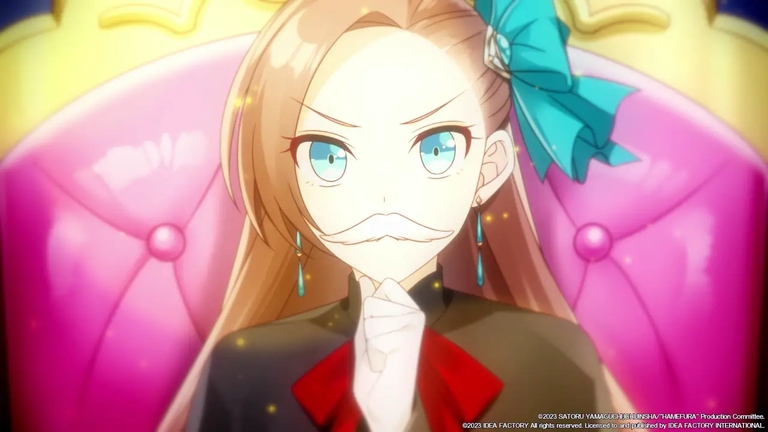
One of the best running gags in the series is the Council of Katarinas. Inside her head, five different versions of herself hold regular meetings to analyze social situations. There is the Chairman, who is aggressive and paranoid. There is the Secretary, who keeps records of every interaction. There is the child version who just wants snacks. This breakdown explains how they vote on whether someone is a threat or a potential ally.
It is a visual representation of her anxiety, basically. When she meets Keith or Geordo, her inner council screams about doom flags and death endings. When she meets Maria, they panic about bullying routes and revenge plots. These mental meetings are where the show hides its smartest writing. They turn her internal monologue into a boardroom comedy, and they let us see exactly how wrong her interpretations usually are.
She will think someone is plotting her demise when they are actually trying to confess their love. The council votes on strategies that are completely wrong for the situation. It is a clever way to show her thought process without making her seem stupid. She is not dumb. She is just working with bad information from a game story that no longer exists because she broke it.

How the Harem Forms Despite Catarina's Density
Catarina builds a reverse harem by pure accident. That is the central joke of the series. Geordo Stuart, the third prince, was supposed to be a yandere who kills her in one route when she gets too violent. Instead, he falls for her because she is the only person who treats him like a human instead of a royal status symbol. She punches him in the face when they are kids, and he finds it refreshing.
Keith, her adopted brother, was supposed to become a womanizing playboy because of childhood trauma and loneliness. Catarina hugs him once and tells him he is family, and suddenly he is devoted to her for life. He was supposed to be an antagonist, but she turns him into a protective brother who keeps other men away.
One review noted that the first season is at its best when it is building these relationships through simple kindness. Catarina does not use pick-up lines or romantic tricks. She just listens to people. She listens to Alan Stuart play piano and gives him genuine compliments that heal his inferiority complex. She reads romance novels with Sophia and validates her unusual appearance. She eats sweets with Mary Hunt and treats her like a friend instead of a rival. She protects Maria from actual bullies at school.
The twist is that she thinks she is preventing romantic flags by being friendly. She believes that if she pairs everyone up with the original game heroine, she will be safe from the bad endings. So she tries to play matchmaker while being so charming that everyone falls for her instead. Her density is frustrating but necessary. If she noticed the romance, she would panic and run away, which would break the spell she has cast over the group.
My Next Life as a Villainess Anime Analysis of the Seasons
The first season splits cleanly into two distinct parts. The childhood arc covers her preparation years from age eight to fifteen, and the academy arc covers the actual Fortune Lover timeline when she is sixteen and seventeen. This structure works because it shows the payoff of her early training. When she gets to the school, she is ready for every bad event. She has already befriended the characters who were supposed to hate her, so the doom flags never trigger.
Season two is where things get weird. The survival tension drops because she has already survived. The doom flags are gone. She has friends, she is not bullying anyone, and the original heroine is her best friend. So the show pivots to slice-of-life comedy and introduces new conflicts like political intrigue and foreign visitors. Some fans hated this shift because it removed the urgency. Others liked seeing the characters relax and just exist without death hanging over them.
The movie is basically filler content. It is non-canon, set after graduation, and follows a standalone adventure with a new character named Aaquil who talks to animals. It looks pretty, with higher animation quality than the TV series, but it does not matter to the main story. According to this it is basically an extended OVA with pretty backgrounds but a bland plot that resets at the end.
There is also the Pirates of the Disturbance visual novel game, which fills in gaps between the first and second season. It lets you romance Catarina as various characters, including new pirate love interests, and it confirms that yes, everyone is in love with her, and yes, she is still completely oblivious even when they confess directly.

The On the Verge of Doom Spin-Off
There is a manga spin-off called My Next Life as a Villainess Side Story: On the Verge of Doom! that explores what happens if Catarina got her memories back at age seventeen instead of age eight. In this version, she wakes up right before the game starts, already having spent years as a bully and a tyrant. She has to fix years of bad behavior in a few weeks instead of years.
This version shows how hard the premise really is. The main series makes it look easy because Catarina had seven years to prepare. In On the Verge of Doom, she is scrambling to apologize to people she has already hurt, and the doom flags are already triggered. It highlights how lucky the main timeline Catarina was to get that early start. It also shows that even with less time, her core strategy of being kind and farming still works, but it is much more stressful.
Why Some Viewers Bounced Off
Not everyone loves the show, and some Reddit users have pointed out that the marketing is misleading. They expected a thriller like The Promised Neverland, where Catarina would have to carefully navigate social landmines and make high-stakes choices to avoid death. Instead, they got a slice-of-life comedy where the threats are resolved by episode three and the rest is just hanging out.
These viewers are not wrong. The show promises suspense but delivers comfort. If you want a battle of wits where the protagonist outsmarts the game system, this is not that. Catarina solves problems by being too nice to hate. She does not manipulate people; she just exhausts them with kindness. For some, this is relaxing. For others, it is boring because there is no real danger after the first few episodes.
The criticism that she is too dense also holds weight. She ignores obvious romantic advances for two full seasons. If you cannot stand protagonists who miss social cues that are obvious to the audience, this show will frustrate you. The comedy relies on her obliviousness, so if that grates on you, the show has nothing else to offer.
Why the First Season Finale Annoyed People
The first season finale introduced a villain out of nowhere. Suddenly there was a dark magic plot and kidnapping and revenge schemes that had not been built up over the season. It felt rushed and forced. Some viewers felt like the show betrayed its low-stakes charm by trying to be a shonen battle anime for two episodes.
The problem was not the action itself. It was that the conflict did not grow naturally from Catarina's actions. The whole show is about her changing fate through social connections and preparation, then the ending throws in a crazy mage with a grudge against the kingdom. It resolves too quickly and feels disconnected from the farming and friendship themes that dominated the previous ten episodes.
Season two avoids this mistake by not having a big explosive finale at all. It just kind of stops after a slice-of-life arc. This annoyed a different group of fans who wanted closure or a climax. The franchise seems content to keep Catarina in a permanent state of almost-doom, always preparing for disasters that never come because she has already defused them through accidental charm.
The Animation Style and Silver Link
Silver Link produced this series, and they knew exactly what they were doing with the budget. The animation is not flashy or cinematic. As noted here it is a talking heads show. Characters stand around and talk, and the camera stays static for long conversations. When animation happens, it is reserved for specific character moments like Catarina's childhood farming montages or the magic academy ceremonies.
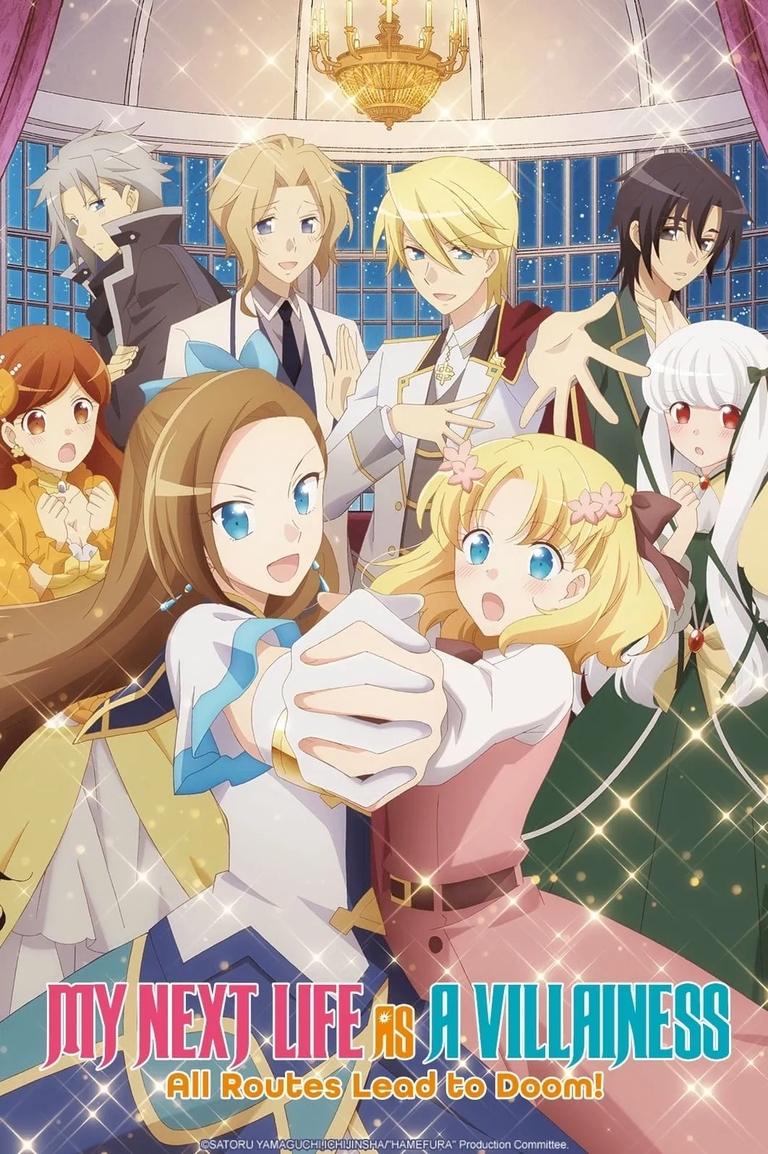
This approach works fine for a comedy about social misunderstandings. You do not need fluid fight scenes for a conversation about whether someone is going to stab you or kiss you. The character designs are distinctive enough to carry the show. Catarina looks like a side character even though she is the lead, which fits the premise that she was supposed to be a minor villain. Maria looks like a traditional heroine with bright colors. The contrast is visual storytelling that reinforces the script.
The voice acting carries a lot of the weight. The internal council scenes require the same actress to play five different tones of Catarina, and she nails the distinction between the paranoid Chairman and the snack-obsessed child version. The male voice actors play against type too, making Geordo sound charming but with an edge of danger that Catarina misses.
What Makes It Different From Other Villainess Stories
There are a hundred isekai anime about reborn villainesses now. This one came early and set the template that others follow. This analysis points out that the key difference is Catarina does not try to be a hero or a genius strategist. She does not have a quest to save the kingdom from a demon lord. She just wants to live through graduation. That small stakes approach makes the comedy hit harder because the consequences feel personal.
Other shows in the genre get bogged down in complex political intrigue or magic system explanations. This one stays focused on whether Keith feels loved or whether Sophia has a friend to talk to. The fate of the world is not at stake. Just the fate of one girl who really does not want to get exiled or stabbed.
The density helps too. Most villainess heroines are genre-savvy and manipulative, using their knowledge to rig the game in their favor. Catarina is genre-savvy but incompetent at social manipulation. She tries to set up other couples and fails every time. She tries to avoid romance and collects a harem by accident. She is a disaster, and that is why people root for her. She represents the anxiety of being prepared for the worst while hoping for the best, and she does it with dirt on her hands from farming.
My Next Life as a Villainess anime analysis comes down to this basic truth: it is a show about anxiety being managed through preparation and kindness. Catarina Claes does not overcome her fear of doom. She just works so hard to prepare for it that she accidentally creates a safety net made of people who love her. The show suggests that if you are kind to everyone and learn practical skills, you can survive even a rigged game.
The series is not perfect. Season two drags in the middle, the movie is skippable filler, and the first season finale is messy and feels unearned. But the core premise remains solid through all of it. Watching someone try to game the system by being nice is satisfying in a way that power fantasies are not. She does not level up. She does not get stronger magic. She just keeps planting crops and making friends until the danger passes her by.
If you want a show where the protagonist wins by accident while trying their hardest to survive, this is the one to watch. Just do not expect her to ever realize she is the main character. She will be too busy checking for doom flags and planting tomatoes to notice that she has already saved herself. The best part is that she would be happy with just the tomatoes.
Frequently Asked Questions
How did Catarina Claes remember her past life?
She hit her head on a rock at age eight and recovered the memories of a seventeen-year-old Japanese otaku who had played Fortune Lover in her previous life.
What are the doom flags in My Next Life as a Villainess?
In the original game, the villainess gets either exiled or killed depending on which route the player takes. There were no good endings for her character.
Does Catarina know her friends are in love with her?
Yes. She is completely oblivious to romantic advances from both men and women, thinking they are just being friendly or plotting against her.
Is the second season of My Next Life as a Villainess worth watching?
Season one is worth watching for the setup and character dynamics. Season two is more slice-of-life and less focused on survival tension. The movie is skippable filler.