
Naruto Shippuden Akatsuki Arc Analysis Shows Why These Episodes Are Untouchable
Everyone talks about the Pain Arc like it's the only thing that matters in Shippuden but they're sleeping on the Akatsuki Suppression Mission. Naruto Shippuden akatsuki arc analysis always gets distracted by the big flashy explosions and god tier nonsense later in the series but the real gold is in those earlier episodes where the stakes actually feel human. You know, back when killing a named character meant something and we didn't have magic eye hacks fixing everything.
I'm tired of people pretending the War Arc holds a candle to this stuff. The Suppression Mission and what follows with Pain's invasion represent the last time this series actually understood what made it special. It's not about who has the bigger chakra bomb or whose Sharingan evolved into some ridiculous new form. It's about Shikamaru grieving over a cigarette while planning a murder. It's about Asuma dying in the dirt after realizing he failed to protect his students. That's the kind of writing that sticks with you.
The Suppression Mission doesn't even focus on Naruto for most of it. That's why it works. We get to see Team 10 operating without the safety net of the main character and it turns out they're way more interesting than whatever Sasuke is doing with his edge lord brigade. Asuma leads his team against Hidan and Kakuzu and you can feel the dread building because these aren't opponents you can just punch harder to defeat. According to the best arc breakdown, this stretch covering episodes 72 through 88 hits different because it respects the viewer's intelligence.
Team 10 Gets The Spotlight They Deserved
Shippuden spent too much time sidelining the Konoha 11 in favor of Sasuke's drama and Naruto's training. The Akatsuki Suppression Mission fixes that by putting Shikamaru, Ino, and Choji front and center. Asuma is their captain and for the first time we really see what that means beyond him just being the guy who smokes and plays board games.
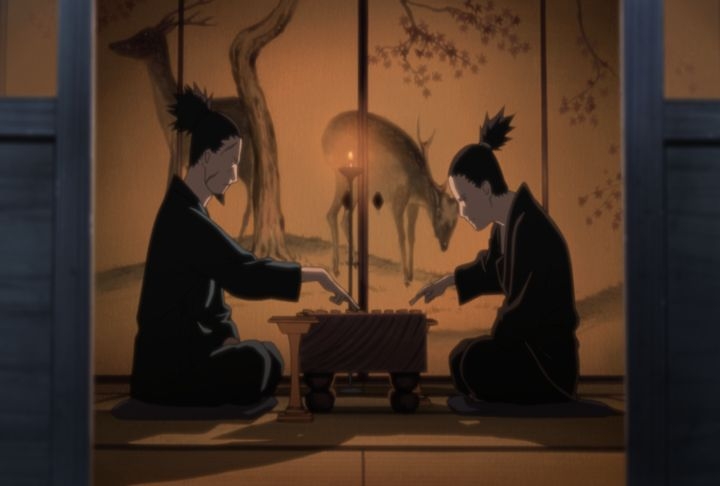
Their dynamic is solid because Asuma actually treats Shikamaru like a son. He recognizes the genius under the lazy exterior and pushes him through shogi matches and conversations about who the "king" really is in the village. That stuff pays off later when Shikamaru is standing over Asuma's grave realizing he never got to say thank you. The episode guide breaks down how these specific episodes give the side characters room to breathe without Naruto stealing every scene.
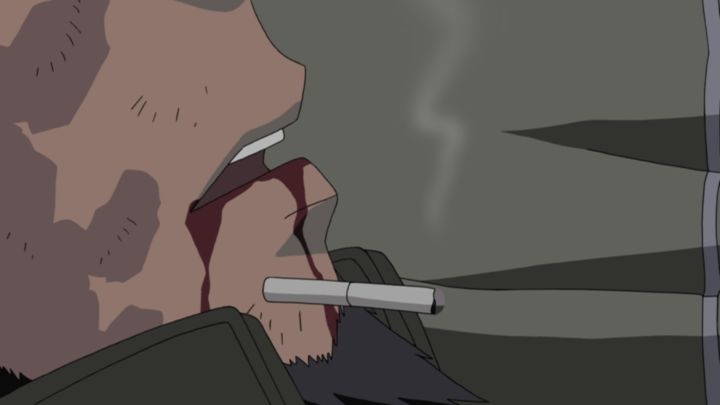
The arc gives us something we rarely get in shonen: side characters carrying the emotional weight. Ino and Choji aren't just backup dancers here. When Asuma falls, they feel it just as hard as Shikamaru does. Choji almost breaks down and Ino has to hold herself together while processing that her teacher is bleeding out in front of her. It's messy and raw and doesn't pull punches. You can see more about why these episodes are untouchable when you look at how the animation team handled the quiet moments versus the fights.
Hidan and Kakuzu Are Freaks But They Work
Most Akatsuki members have these elaborate backstories about trauma and loss but Hidan and Kakuzu are just weirdos who like killing people. Hidan is this religious zealot who can't die and Kakuzu is a grouchy old man who steals hearts literally. They're not sympathetic villains and that's refreshing. Sometimes bad guys are just bad.
Their abilities create this horrific contrast. Hidan needs to draw blood and stand in his little circle to turn his body into a voodoo doll. Kakuzu has five hearts and can detach these mask monsters that use elemental techniques. When they fight Asuma's squad, you see the moment the team realizes they're outmatched because conventional tactics don't work on these guys. The mission details explain exactly how these mechanics work and why they're so hard to counter.
Hidan gets his head cut off and just picks it up while complaining. That's nightmare fuel for ninja who are used to winning through superior technique. Asuma lands a clean hit with his chakra blades and it means nothing. Kakuzu just sews his partner's head back on like he's fixing a button. It's gross and intimidating in a way that later villains never managed because they were too busy explaining their tragic pasts.
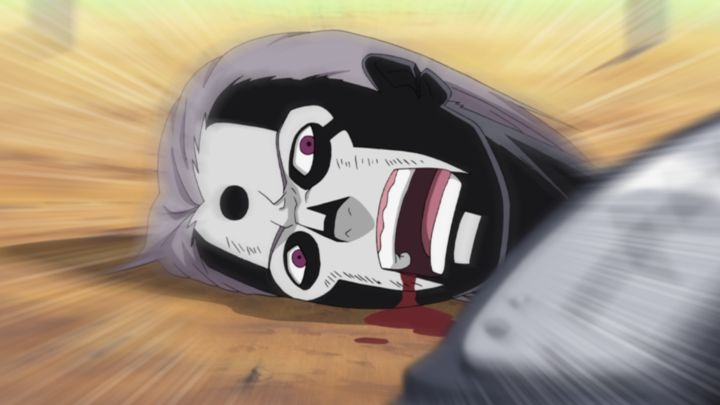
Asuma's Death Hits Different
We've seen characters die in Naruto before but Asuma's hits harder because it feels preventable. He knows about Hidan's curse technique. He figures out the mechanics during the fight. But he still gets caught because Kakuzu is there to back up his partner. The tactical complexity of two enemies who complement each other's immortality creates a trap that even a jonin can't escape.
Asuma dies knowing his students are watching. He manages to get one last cigarette lit and gives them the Will of Fire speech while coughing up blood. It's not pretty. There's no heroic music swelling in the background while he closes his eyes peacefully. He struggles to breathe and Shikamaru has to look away because he can't fix it with his shadow jutsu. The analysis of what made Pain work applies here too, where the tragedy feels earned rather than forced for shock value.
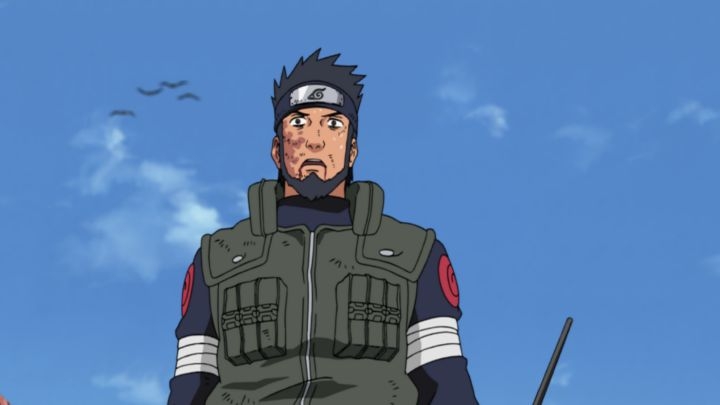
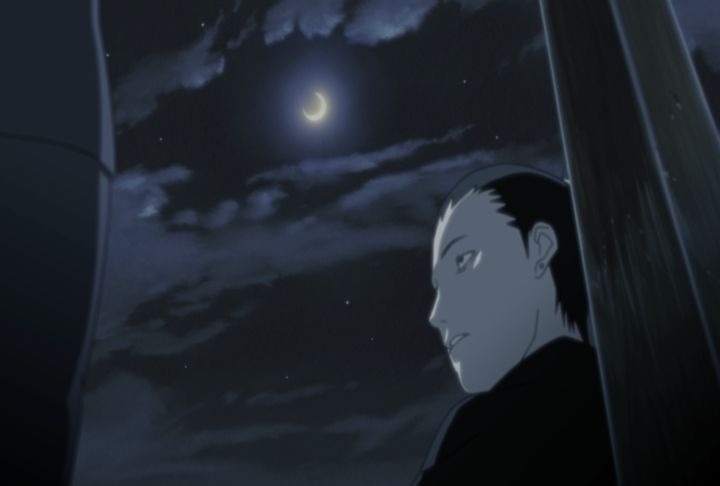
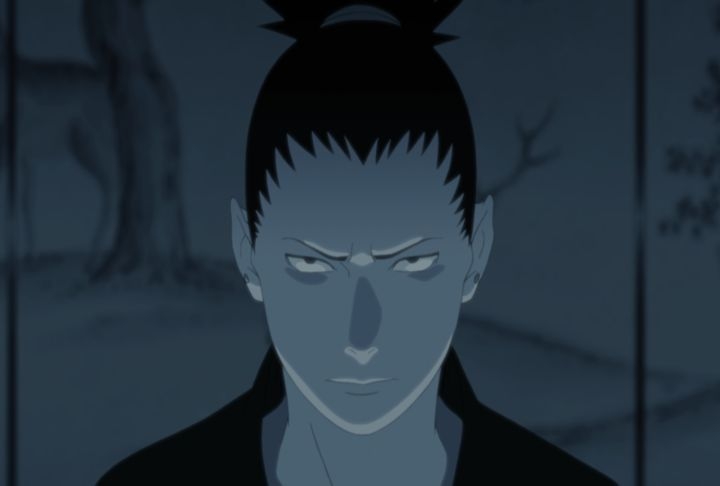
The aftermath is what sells it. Shikamaru doesn't immediately scream about revenge. He goes home and plays shogi with his dad Shikaku and the pieces keep falling over because his hands won't stop shaking. That scene where he breaks down crying while the cigarette smoke drifts up is better than any Rasengan variant in the series. It's human grief without ninja magic fixing it.
The Revenge Plot That Actually Works
Shonen usually handles revenge poorly. Either it's painted as this noble pursuit that makes you stronger or it's condemned so heavily that the character looks stupid for trying. Shikamaru's revenge against Hidan lands in the sweet spot where it's personal, calculated, and ultimately hollow in the right way.
He doesn't rush in screaming. He spends time planning, training with Asuma's trench knives, and picking up his teacher's smoking habit. When he tells Ino and Choji that he's going after the Akatsuki pair, he doesn't order them to come. He says he's going and trusts that they'll follow because they feel the same pain. That's real leadership, not the kind where you yell about bonds and friendship until your voice breaks.
Kakashi volunteers to lead the team because Tsunade knows Shikamaru isn't emotionally ready to command but won't stay behind. This gives us a rare look at Kakashi working with students who aren't Team 7. He respects Shikamaru's strategy while providing the muscle needed to handle Kakuzu. The dynamic works because Kakashi knows when to step back and let the genius work.
Shikamaru's Strategy vs Raw Power
The final battle against Hidan isn't about power levels. Shikamaru separates Hidan from Kakuzu using Shadow Possession and leads him into a forest trap he'd prepared earlier. He uses Hidan's own bloodlust against him, tricking him into activating his curse on a substitute so that he attacks Kakuzu's heart instead of Shikamaru. It's the kind of trick that requires you to pay attention to the rules established earlier in the arc.
Then comes the best part. Shikamaru doesn't kill Hidan. He can't because Hidan is immortal. So he blows up the forest, buries Hidan in a deep hole, and collapses the tunnel. Hidan is trapped underground for eternity, slowly starving or suffocating or whatever happens to an immortal body when it's crushed under tons of rock. Shikamaru lights a cigarette, says a prayer, and walks away. No big speech about justice. No screaming about how he won. Just a quiet victory that feels empty because it doesn't bring Asuma back.
Meanwhile Naruto shows up to fight Kakuzu and debuts the Rasenshuriken. It's a cool moment and the technique looks amazing with those little chakra needles destroying cells, but it's less satisfying than Shikamaru's win because it's just a bigger explosion. The Rasenshuriken destroys Kakuzu's hearts on a cellular level which is neat I guess, but it doesn't carry the emotional weight of Shikamaru avenging his teacher through sheer intellect. Sometimes brains beat brawn and this arc proves it.
Naruto Shippuden Akatsuki Arc Analysis: The Pain Connection
You can't talk about the Suppression Mission without looking at what comes right after. The Pain Arc takes everything good about the previous arc and turns the volume up to eleven. Jiraiya dies gathering intel on Pain, leaving Naruto without his godfather and mentor. Then Pain destroys Konoha looking for the Nine Tails.
This is where Naruto comes back from training with the toads and actually looks like a hero. He shows up on Gamabunta's head with Sage Mode activated and the toads at his back. The village is rubble. People are dead. Kakashi bought it trying to save Choji. Shizune got her soul ripped out. Hinata is about to get stabbed. The comparison of arc quality notes how this sequence pays off the character building from earlier episodes.
Pain is a great villain because he mirrors Naruto. He was Jiraiya's student too. He has the Rinnegan which makes him stupid powerful but his motivation is actually understandable. He thinks the only way to stop war is to make people feel so much pain that they're too scared to fight. It's twisted logic but you get why he thinks that way after losing his parents and his dog and his best friend. He's not trying to become god for fun, he genuinely believes he's saving the world through suffering.
The fight choreography here is solid. Naruto using Sage Mode to throw giant Rasengans while the Pains coordinate their attacks using linked vision. Each Path has a different ability and Naruto has to figure out the secret that Jiraiya died to learn: they're all corpses controlled by Nagato from somewhere else. The strategy element keeps it interesting even when the power levels get high.
When Hinata jumps in to fight Pain and confesses her love, it triggers the Nine Tails transformation. This is before Naruto befriended Kurama so the fox is still a monster inside him. He goes up to six tails and starts demolishing everything until the Fourth Hokage's seal stops him. It's raw power versus strategy again, and Pain barely survives through the Deva Path's Shinra Tensei pushing everything back.
Why The War Arc Couldn't Keep Up
People argue about whether the Pain Arc should have been the ending. I don't think it should because Sasuke's story wasn't done, but I get why they say that. Everything after Pain feels like it's from a different series. The War Arc introduces Edo Tensei which brings back dead characters as zombies, diluting the impact of death we saw with Asuma and Jiraiya.
Suddenly everyone is getting power ups from the Sage of Six Paths. Naruto and Sasuke become reincarnations of gods. The stakes go from "will my village survive" to "will the entire world get put in a genjutsu" and it loses the personal touch. You don't care about nameless soldiers dying in a war when you've already seen Shikamaru bury Hidan alive for killing one man who mattered. The discussion of peak Naruto points out exactly where the decline starts.
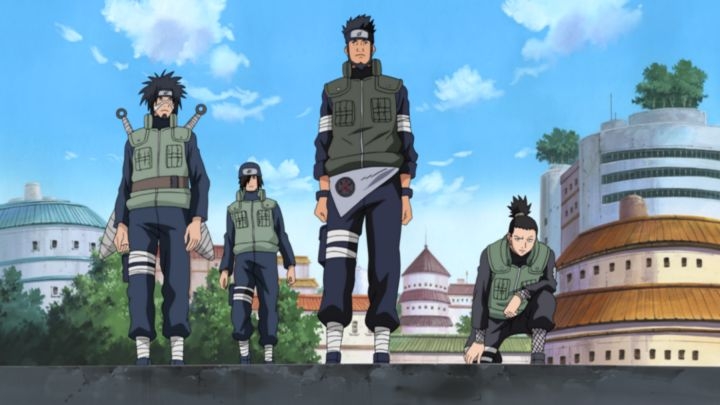
Shippuden started strong with the Kazekage Rescue and kept that energy through the Akatsuki arcs. The animation quality was there, the writing respected the characters' intelligence, and the power scaling hadn't gone off the rails. You could track how Shikamaru beat Hidan through preparation and deception. You can't say the same about how anyone beats the Juubi or Kaguya later on because the rules keep changing.
The Suppression Mission also gives us one of the few times the anime filler actually works. The episodes covering Shikamaru's grief and the preparations for revenge are paced slowly and let the characters breathe. You feel the weight of Asuma's death in every frame of Shikamaru staring at the ceiling or practicing with those trench knives. The studio understood they had something special and didn't rush it.
If you're going to watch Shippuden, you can stop after Pain and pretend the rest is fanfiction. You'll miss some cool moments like Guy vs Madara, but you won't miss the bloated mess that is the ninja war. The Akatsuki arcs had tight storytelling where every episode mattered. The War Arc has episodes where people stand around talking about their feelings while supposed world-ending threats wait politely for them to finish.
Naruto Shippuden akatsuki arc analysis usually focuses on the big moments like Pain's Shinra Tensei or the Rasenshuriken debut, but the real strength is in the quiet scenes. Shikamaru teaching himself to smoke because that's what Asuma did. Choji deciding he's not going to run away anymore. Ino holding back tears while she uses her mind transfer jutsu to help the plan work. That's the stuff that makes you care about these characters.
The series never recaptured that specific magic. Even the good moments in later arcs feel like they're trying to recreate what came naturally during the Akatsuki hunt. When you go back and watch episodes 72 through 175, you're watching Naruto at its absolute best. The animation holds up, the music slaps, and the story makes sense. That's more than you can say for the second half of Shippuden.
Don't let anyone tell you the Suppression Mission is just a side arc. It's the heart of what makes Shippuden good. Without it, Pain's invasion doesn't hit as hard because you wouldn't have seen what loss looks like for the side characters. Asuma's death is the proof that anyone can die, which makes Pain's massacre feel real instead of just spectacle. Shippuden had its flaws with pacing and filler, but from Hidan and Kakuzu showing up to Nagato using Rinne Rebirth, it's nearly perfect. After that, it's a slide into power scaling nonsense and retcons. Stick to the Akatsuki arcs if you want to remember why you liked this show in the first place.
Frequently Asked Questions
What episodes does the Akatsuki Suppression Mission cover?
The Akatsuki Suppression Mission covers episodes 72 through 88 of Naruto Shippuden, adapting manga chapters 311 to 342. It's also called the Immortal Devastators arc in some guides.
How does Shikamaru beat Hidan?
Shikamaru defeats Hidan by leading him into a forest trap using Shadow Possession Jutsu, then tricks him into consuming Kakuzu's blood instead of his own. He blows up the forest and buries Hidan alive in a deep hole where his immortal body can't escape.
Is the Akatsuki Suppression Mission the best arc?
Most fans consider the period from the Akatsuki Suppression Mission through the Pain Invasion arc as peak Shippuden. The writing is tight, deaths have consequences, and the power scaling hasn't gone off the rails yet like it does in the War Arc.
Was Shippuden supposed to end after the Pain Arc?
No, Shippuden was always intended to continue past Pain to resolve Sasuke's story, the mystery of Tobi's identity, and Naruto's goal of becoming Hokage. The Pain Arc just works so well as a climax that it feels like it could have ended there.
Why is Asuma's death considered so impactful?
Asuma's death hits harder because we see the immediate emotional impact on Team 10, especially Shikamaru's grief. It also sticks unlike many War Arc deaths because he doesn't get brought back via Edo Tensei or other revival techniques.