
Nazuna Nanakusa Is the Only Reason Call of the Night Works
Nazuna Nanakusa's character and role in Call of the Night aren't what you'd expect from a vampire story. She's not brooding in some Transylvanian castle or hunting humans in dark alleys with predatory intent. Instead she's sitting in her barely-furnished apartment playing video games, drinking cheap beer from a convenience store, and making dirty jokes that would make a sailor blush. This is a vampire who owns a business called a snooze shop where she helps people sleep better so she can drink their blood without drama. She's lazy, she's messy, and she's somehow the most compelling supernatural love interest in recent anime despite breaking every rule in the monster girlfriend playbook.
The anime tries to sell you on Kou Yamori as your entry point. He's the insomniac middle schooler who can't handle the pressure of daytime society and ends up wandering the streets at night. That's fine. He's relatable in a generic way. But let's be real here. Nobody stuck around for thirteen episodes because they cared about Kou's existential crisis regarding a love letter he rejected. They stayed because Nazuna Nanakusa floated down from a telephone wire like some kind of nocturnal pixie with fangs and offered him a deal that sounded way more interesting than therapy. Her presence transforms what could have been another boring coming-of-age story into something genuinely weird and magnetic. She is the engine, the aesthetic, and the emotional core all wrapped up in one tiny package that's only slightly taller than a middle schooler despite being old enough to have multiple ex-boyfriends and girlfriends scattered across decades.
What She Actually Is Under the Hood
Here's where the lore gets interesting and slightly contradictory depending on which source you're reading. Nazuna is a born vampire, not a turned one, which puts her in rare company even among the night-dwelling population of this series. Some references call her a hybrid born from a vampire mother and human father, specifically Haru Nanakusa who was apparently a nurse before vanishing from the picture. Other sources suggest she's a full-blood with human heritage on her dad's side. Either way she didn't get bitten and transformed like the romanticized victim narratives you usually see. She popped out of the womb with fangs and a thirst for blood, was raised partially by another vampire named Kabura Honda, and eventually drifted into her current lifestyle of minimalist furniture and maximum sarcasm.
This biological distinction matters because it explains why she's so powerful while simultaneously being so lazy. She can phase through walls with enough concentration, regenerate from gunshot wounds, leap across buildings in a way that looks like flight, and casually rip limbs off other vampires when she actually bothers to try. But she doesn't try often. She's got this reservoir of untapped potential that other vampires recognize and fear because if she ever got serious about combat she'd probably be unstoppable. Instead she uses her powers to float upside down while drinking beer or to escape awkward conversations about feelings. It's like owning a Ferrari and only using it to drive to the corner store for cigarettes.
The Kou Situation and Why It's Complicated
The central relationship of Call of the Night revolves around Nazuna drinking Kou's blood, which the anime portrays with sexual undertones that make Kou blush and stutter while Nazuna treats it like a casual Tuesday activity. She finds his blood specifically delicious, which apparently isn't normal since most humans taste the same to vampires. This creates a bond where she keeps him around not just for sustenance but because he's interesting, though she'd rather die than admit that in romantic terms.
The catch comes from vampire rules. To actually turn Kou into a vampire, he has to fall in love with her first, then she bites him during that emotional peak. This creates a weird power dynamic where Nazuna is simultaneously the experienced older woman guiding him through the night and the person who can't handle the word love without blushing and changing the subject. She'll make the most suggestive comments about where she's going to bite him next but mention genuine affection and she melts down like a teenager. This contradiction defines her character. She's been alive for decades, possibly longer depending on how you interpret her age, but she has the emotional maturity of someone who never learned to process attachment because she spent her whole life avoiding it.
Kou wants to become a vampire because he hates daytime society and sees the night as freedom. Nazuna represents that freedom but also represents the limitations of trying to escape your humanity entirely. She drinks blood to survive but she also plays video games and works part-time jobs because eternity gets boring if you don't fill it with something. Their relationship works because she's teaching him that the night isn't just about running away from responsibilities, it's about finding your own rhythm even if that rhythm involves drinking beer on a rooftop while the city sleeps below you.
Her Visual Language and Why It Sticks
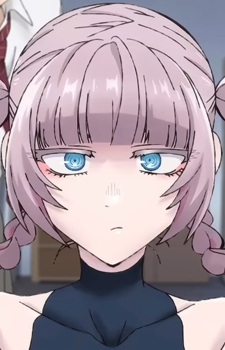
Studio Liden Films made some specific choices with Nazuna's design that separate her from the manga version. In Kotoyama's original illustrations she had blonde hair and eyes that shifted between blue, brownish-grey, and occasionally yellow depending on the lighting. The anime changed her hair to this pale purple color that matches the show's overall color palette of midnight blues and neon purples. She wears this distinctive black coat over a revealing top and shorts with thigh-high socks, sporting twin braids tied into rings that make her immediately recognizable even in silhouette.
The design choices serve the character. She looks like she belongs to the night but not to any specific era. She could be from the nineties or from next week. Her fashion is practical for moving around the city but also slightly trashy in a way that suggests she doesn't care about impressing anyone. When she floats through the air with her hair defying gravity or perches on telephone wires like a bird, the animation emphasizes how alien she is while her facial expressions keep her grounded in relatable human emotion.
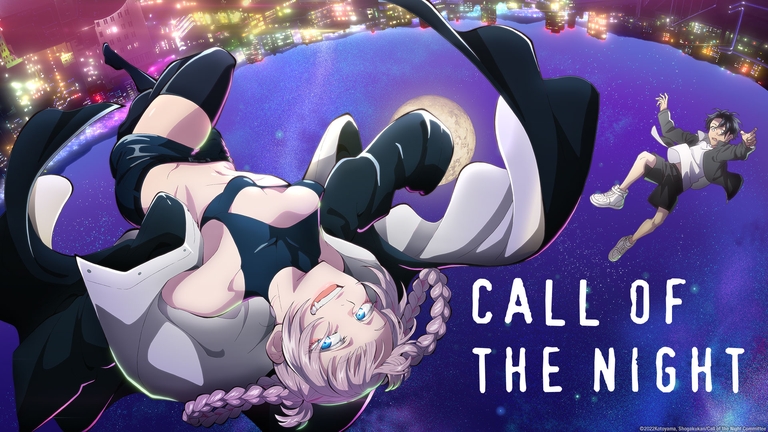
The show's aesthetic relies heavily on this contrast between the supernatural and the mundane. Nazuna floating upside down against a starry background while Kou stands on a rooftop looking confused has become iconic imagery from the series. It represents everything she is, simultaneously weightless and anchored, ancient and childish, dangerous and vulnerable.
The Jobs and the Lifestyle
People forget that Nazuna has a work history because vampire stories usually don't involve employment applications. She runs that snooze shop where she helps insomniacs sleep better, which is ironic since she's the reason Kou stays up all night now. Later she picks up a job at the Vamp Maid Cafe because the pay is good and she gets free beer after her shift. This isn't a vampire queen lording over minions. This is a gig worker making rent in a crappy apartment with a mini-fridge and a futon.
Her economic reality grounds the supernatural elements. She needs money for beer and video games. She has to maintain her business to keep a low profile among humans. She can't just hypnotize everyone into giving her free stuff because that draws attention and vampire society has strict rules about secrecy. When she gets into conflicts with other vampires like Seri or the more organized groups, she's at a disadvantage because she never built a power base or a network. She's a loner by choice but that choice has consequences when the vampire politics get serious.
Why She Outshines the Main Character
Look at the metrics. Look at the merchandise. Nazuna Nanakusa consistently ranks higher in popularity polls than Kou Yamori despite him being the viewpoint character. There's a reason for that. Kou is fine. He's a vessel for the audience's feelings of alienation and insomnia. But Nazuna is the mystery that keeps you watching. Every episode reveals something new about her past or her biology or her weird emotional hangups that make her more interesting than the standard monster girlfriend archetype.
She's bisexual and has shown interest in both Kou and Anko Uguisu, the detective character who investigates vampires. She has this weird anemia condition despite being a vampire, which makes no biological sense but adds to her vulnerability. She claims to hate romance but gets jealous when Kou talks to other girls. She acts like a mentor but needs him as much as he needs her, if not more, because she's been lonely for decades and didn't realize it until he showed up willing to listen to her talk about nothing at three in the morning.
The age gap between them, her being technically in her thirties or forties while he's fourteen, creates this uncomfortable tension that the show doesn't shy away from. It's addressed directly in the text with other characters commenting on it and Nazuna herself sometimes acting like the adult in the room while simultaneously behaving less mature than he does. The relationship is transactional at first, blood for companionship, but it grows into something neither of them can name because naming it would require admitting they're capable of feelings they've both spent their lives avoiding.
The Soundtrack and Her Vibe
You can't talk about Nazuna without mentioning the music. Creepy Nuts provided tracks like Datenshi that play during her scenes, creating this hip-hop jazz fusion atmosphere that matches her energy perfectly. She's not associated with classical music or gothic organs like traditional vampires. She moves through the city to the sound of low-tempo beats and filtered instruments that sound like they were recorded at four AM in someone's bedroom studio. The soundtrack choices reinforce her character as something modern and urban rather than historical and European.
When she drinks Kou's blood the scenes are scored with intimacy but not necessarily romance. It's physical and awkward and funny rather than sweeping and orchestral. This musical characterization keeps her from becoming a cliché. She's not Dracula. She's that cool older person you meet at a house party who seems to know everything about the city but never tells you where they actually live or what they actually do for money.
Her Future and Untapped Potential
The first season of Call of the Night ends with confirmation that Nazuna has only scratched the surface of her abilities. Born vampires with her specific heritage have potential for growth that turned vampires don't possess. As the story progresses and she gets drawn deeper into vampire politics whether she likes it or not, she's going to have to get serious about defending herself and Kou. The lazy gamer girl act works when she's fighting low-level threats but it won't hold up against the organized groups that view Kou as a threat to their secrecy.
There's also the unresolved plot thread of her mother, Haru Nanakusa, and what happened to create this half-vampire or full-blood hybrid situation depending on which interpretation ends up being canon. Her relationship with Kabura Honda suggests a childhood that was simultaneously sheltered and neglected, raised by a vampire who didn't know how to parent a child with different needs than a human kid.
Nazuna Nanakusa represents freedom without escape, the idea that you can reject society's daytime rules without becoming a monster. She drinks blood to live but she plays video games to feel alive. She's the reason Call of the Night resonates with people who feel out of step with the nine-to-five world. You don't have to become a vampire to understand what she sees in the night, but watching her float above the city while Creepy Nuts plays in the background makes the idea pretty tempting.
The Themes She Carries
Call of the Night uses Nazuna to explore aromanticism and asexuality in ways that most anime won't touch. Kou appears to be on the asexual spectrum, experiencing romantic attraction differently or not at all, which creates the central conflict since he needs to fall in love to become a vampire but might not be capable of traditional romantic love. Nazuna is his guide through this confusion but she's just as lost when it comes to genuine emotional connection. They've formed this intense bond through blood and shared nights but neither can name it using conventional language.
This exploration of intimacy without romance, of physical closeness without sexual possession, feels fresh in a medium that usually treats vampire bites as either pure horror or pure fetish. With Nazuna it's both and neither. She's getting sustenance and enjoying the taste but she's also experiencing intimacy that scares her more than any vampire hunter could. The dirtier her jokes get, the more obvious it becomes that she's deflecting from real vulnerability.
Her character asks what it means to be human when you've lived long enough to see everyone you know die. She maintains her snooze shop and her maid job because routine staves off madness. She drinks beer because it tastes good even if it doesn't get her drunk. She keeps Kou around because he makes her feel something she thought she'd lost, which is terrifying for someone who's built her entire identity on not needing anyone.
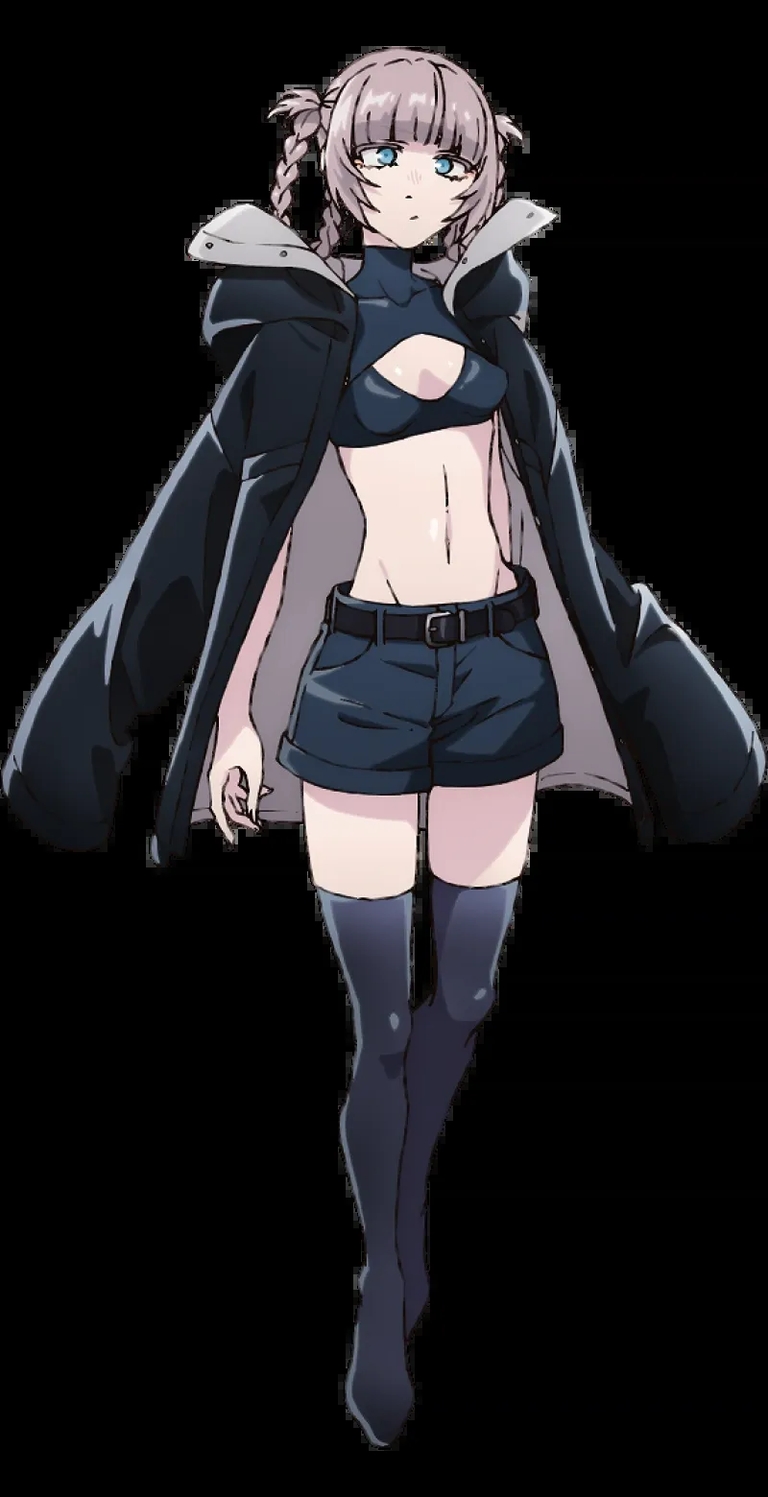
Nazuna Nanakusa's character and role in Call of the Night work because she refuses to be categorized. She's not the manic pixie dream girl saving the sad boy. She's not the ancient vampire mentor dispensing wisdom. She's a mess with superpowers who is figuring it out as she goes along, and that honesty makes her the best part of the show. When you strip away the purple lighting and the Creepy Nuts soundtrack and the fancy animation, you're left with a character who is deeply lonely and slowly learning that freedom doesn't have to mean isolation. That's why people buy the merchandise. That's why they cosplay her at conventions. That's why the anime wouldn't work without her. She's the night personified, and the night is more interesting than the day could ever hope to be.
Frequently Asked Questions
How old is Nazuna Nanakusa really?
She's technically in her 30s or 40s, though she looks like a teenager and often acts like one emotionally.
Why can't Nazuna just turn Kou into a vampire immediately?
In this universe, a human must fall in love with the vampire before being bitten during that emotional peak. Since Kou may be asexual or aromantic, he struggles to meet this requirement despite their close bond.
What are Nazuna's specific vampire powers?
She has superhuman strength, speed, regeneration, the ability to phase through solid objects, and pseudo-flight through extreme leaping. However, she rarely uses these powers seriously because she's lazy.
Why does Nazuna have purple hair in the anime but blonde in some art?
Her hair was blonde in the original manga but was changed to pale purple in the anime adaptation to better match the show's midnight color palette.
What jobs does Nazuna work?
She runs a snooze shop helping insomniacs sleep, and later works at the Vamp Maid Cafe for the paycheck and free after-work beer.