
Okabe Rintarou's Journey in Steins;Gate 0
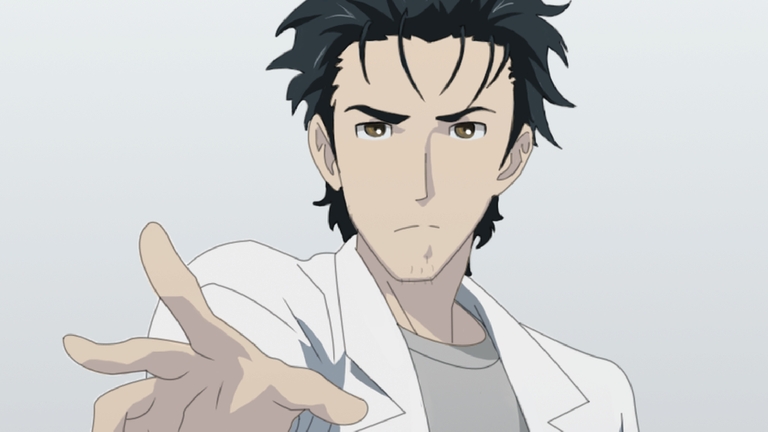
Okabe Rintarou's journey in Steins;Gate 0 isn't a fun adventure about time travel. It's a brutal look at what happens when a teenage boy watches the girl he loves die in front of him, realizes he caused it, and then gets told he has to let it stay that way to prevent World War III. Most people who watched the original Steins;Gate think they know who Okabe is. They remember the loud guy in the white lab coat yelling about being a mad scientist and making stupid jokes about being an agent fighting an evil organization. That guy dies in Steins;Gate 0. What replaces him is someone a lot more disturbing and a lot more real.
The anime and visual novel don't waste time setting up a happy scenario. They drop you straight into the Beta worldline where Okabe failed to save Kurisu Makise. He's given up on time travel entirely. The Phone Microwave sits unused in the lab. He doesn't wear the lab coat anymore. He goes to therapy sessions where he sits silently because he can't explain that he remembers dying thousands of times in other timelines without sounding insane. This isn't the same character who cheerfully told everyone to call him Hououin Kyouma. This is a guy who flinches when someone mentions time machines and has panic attacks in the bathroom.
The Day He Stopped Being Hououin Kyouma
The white lab coat wasn't just a costume. It was armor. When Okabe wore it and called himself Hououin Kyouma, he could pretend the weird stuff happening around him was part of some grand adventure against an evil organization called SERN. It let him process fear through fake melodrama. It let him be brave because he was playing a character who was brave. In Steins;Gate 0, he hangs up that coat permanently because the performance is over. He knows there's no evil organization to fight. There's just physics, and time, and the inevitable convergence of worldlines that makes certain deaths impossible to avoid.
People call this version the "Sad Scientist" instead of the Mad Scientist, and that nickname fits too well. He trades the white coat for black clothes. He stops shouting. He starts taking medication for depression and PTSD that doesn't really work because you can't medicate away memories of watching your childhood friend get shot, run over by a train, stabbed, or die in a car crash across hundreds of timeline shifts. The psychological breakdown analysis hits this hard. Okabe isn't just sad. He's broken in a way that makes getting out of bed feel like a victory.
The lab members don't get it at first. Daru keeps trying to drag him back to the lab. Mayuri watches him with this worried expression that makes him feel worse because he knows she's trying to help and he can't accept it. They've all forgotten what happened in the Alpha worldline because Reading Steiner only lets Okabe remember. He carries the weight of a thousand dead Mayuris and one dead Kurisu all by himself. That's the curse of his ability. Everyone else gets to live in blissful ignorance while he remembers every single drop of blood.
Living with a Ghost Called Amadeus
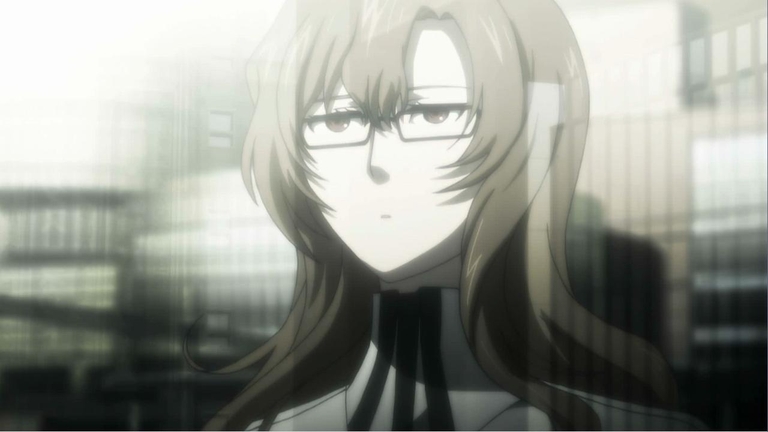
Things get worse when he meets Maho Hiyajo. She's a tiny genius who worked with Kurisu, and she's developing something called the Amadeus system. It's basically an AI made from Kurisu's memories and personality. When Okabe talks to Amadeus Kurisu, he's talking to the ghost of the woman he loves, except she doesn't remember dying because she was scanned months before her death. It's torture wrapped up in a smartphone app.
Maho doesn't realize what she's doing to him at first. She sees this depressed college student and thinks maybe connecting him with his dead friend's digital copy will help. She couldn't be more wrong. Every conversation with Amadeus Kurisu rips the wound open again. He hears her voice, he argues with her about time travel theories, he almost forgets she's not real, and then he remembers she's dead and he killed her. The character study points out that Amadeus isn't a comfort. It's a trap that keeps him stuck in grief.
The interactions with digital Kurisu show how far gone he is. In the original Steins;Gate, he bantered with real Kurisu as an equal. They challenged each other. With Amadeus, he's gentler, more desperate, and more broken. He's talking to a memory, and he knows it, but he can't stop because it's the only thing keeping him from completely shutting down. Maho eventually figures out that she's accidentally torturing him, but by then the damage is done. He's hooked on talking to a dead girl's ghost in a computer.
Why He Wouldn't Save the World
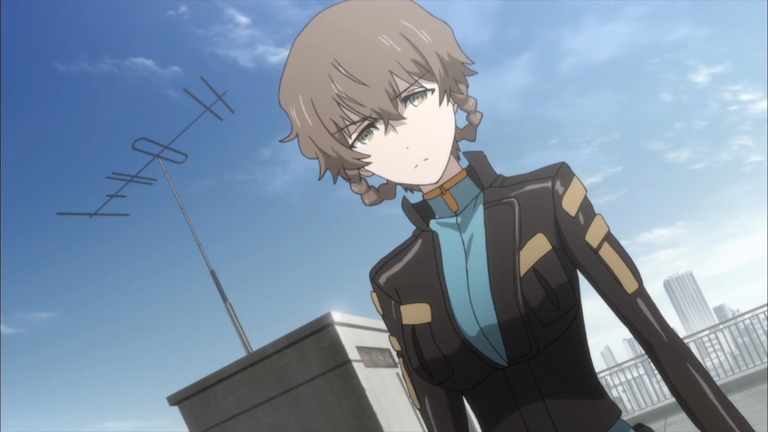
Here's where a lot of viewers get angry at Okabe. Suzuha shows up from the future again and tells him they have to prevent World War III. She explains that Kurisu's death leads to her father stealing her time travel thesis, which leads to an arms race between America and Russia, which leads to billions of people dying in a war that lasts until 2036. She wants him to try again to save Kurisu. He refuses. He says he's done with time travel. He won't build the time leap machine. He won't try to change the past. He just wants to live a normal life until 2025 when he's supposed to die according to convergence.
Some fans call this selfish. There's a whole Reddit thread arguing that S;G0 Okabe puts his friends in danger by refusing to act. But that's missing the point entirely. Okabe isn't being selfish. He's traumatized to a degree most people can't comprehend. Remember, this guy performed over 3000 time leaps in the original series trying to save Mayuri. He watched her die hundreds of times. Then he accidentally killed Kurisu with his own hands. Then he time traveled to 2036 and saw the hellscape of the future. Then he performed another 3000 time leaps to get back to 2011.
He knows exactly what happens when you mess with time. He knows the cost. And he's reached his limit. Asking him to jump back into time travel is like asking a soldier with severe PTSD to go back into active combat for you. It's not selfish to say no. It's self-preservation. The Siliconera piece makes it clear that his refusal is the only realistic response to what he's been through. He's not a superhero. He's a 19-year-old college student who needs therapy and rest, not another suicide mission against the laws of physics.
Daru and Maho build the time leap machine anyway behind his back. They think they're helping. They think if they just give him the tool, he'll use it to fix things. But they're forcing him to confront his trauma before he's ready. When he finds out, he freaks out. He destroys the equipment. He yells at them. He tells them they don't understand what they're playing with. He's right. They don't remember the Alpha worldline. They don't remember watching Mayuri die over and over. They haven't earned the right to be cavalier about time travel.
The 18000 BC Problem and the Rescue
Things get messy when Mayuri and Suzuha steal the incomplete time machine to go back to 2010. They want to convince past Okabe to try again. But the machine malfunctions because of a missile strike or fuel issues depending on the route, and they get stranded in 18000 BC. They're stuck there for 14 years living in a wasteland with no supplies, aging while waiting for someone to rescue them.
Future Okabe in 2025 realizes what happened. By this point, he's recorded the video D-Mail that tells his past self how to trick the world and reach Steins;Gate. He's done his part for the timeline. He could just wait for 2025 convergence to kill him. Instead, he decides to use the prototype time machine to go to 18000 BC and save them. People ask why he bothers since that worldline is going to get erased anyway once Operation Skuld succeeds. The answer is simple. Okabe doesn't leave people behind. Even if the worldline vanishes, the suffering is real to him. Reading Steiner means he feels every timeline. If Mayuri and Suzuha suffer for 14 years in the past, he feels that pain. He can't let them die alone in the ice age just because it's convenient for the timeline.
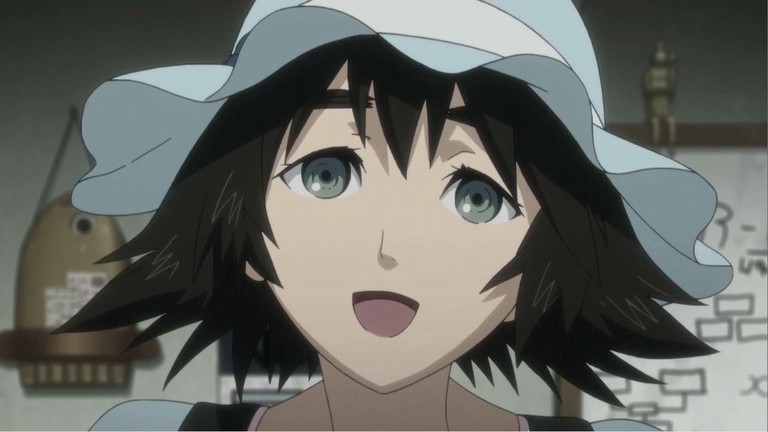
He travels to 18000 BC, picks them up, and brings them forward to 2036. This creates a weird situation where there are two Suzuhas in 2036 for a bit, but he manages it carefully to avoid paradox. The older Suzuha from 18000 BC has aged 14 years. She's in her thirties now. She helps ensure that the younger Suzuha goes back to 2010 with the knowledge of the video D-Mail. This is crucial. The Suzuha who helps Okabe in the original Steins;Gate episode 23 is this older, wiser Suzuha who knows about the video message. Without S;G0 Okabe going to 18000 BC, that Suzuha never exists, and Operation Skuld fails.
Recording the Message That Changes Everything
The most important thing Okabe does in Steins;Gate 0 isn't fighting or time traveling. It's sitting in a room in 2025 and recording a video message. He explains to his 2010 self exactly how to save Kurisu without changing the past enough to erase his own memories. He explains the plan to trick the world by making it look like Kurisu died while actually saving her.
This video is the linchpin of the entire series. Without it, the Okabe of the original series would have given up after failing once. He needed to see his future self telling him it was possible. He needed to know that he eventually figured it out. S;G0 Okabe spends years working on this plan, calculating the exact way to reach Steins;Gate. He does all the hard work so his past self can have the easy part.
It's depressing and beautiful at the same time. This broken, traumatized man who can't save himself spends his last years ensuring another version of him gets the happy ending. He records the message knowing he'll probably die in 2025 or get stuck in 18000 BC. He accepts that he's the sacrifice so the other Okabe can live. That's not selfish. That's the opposite of selfish.
The Return and the Slap

Eventually, Mayuri gets through to him. In one of the routes, she travels from the future and slaps some sense into him. She tells him to stop moping and be the mad scientist she loves. She reminds him that Hououin Kyouma isn't just a mask. It's who he is when he's brave enough to fight for everyone. This is the turning point where Okabe starts to recover.
He puts the lab coat back on. He starts acting like his old self, but it's different now. He's not playing a character anymore. He's integrating the madness with the pain. He becomes someone who can smile while knowing the horror of the world because he's chosen to fight anyway. The recovery isn't instant. It takes time and false starts. But by the end, he's functional enough to execute the final plan.
The contrast between the broken man at the start and the guy who steps into the time machine to travel to 18000 BC is stark. He's not fixed. He'll never be completely fixed. But he's functional. He's found a way to carry the trauma without letting it crush him. That's the most realistic depiction of recovery you can ask for. He doesn't get magically cured. He just gets strong enough to keep going.
Steins;Gate 0 is often misunderstood as a side story or a "what if" scenario. It's not. It's the explanation for how the original ending was possible. Without Okabe Rintarou's journey in Steins;Gate 0, the Okabe of the original series never gets the video message, never tries a second time, and never reaches the Steins;Gate worldline where both Mayuri and Kurisu live. This story is the foundation that makes the happy ending possible.
The story forces you to sit with discomfort. It makes you watch a protagonist fail and give up and break down. It doesn't offer easy solutions or heroic moments until the very end. But that's what makes it valuable. It respects the trauma it depicts. It shows that saving the world sometimes means sacrificing your own sanity first, and that the people who fix everything are often the ones who suffered the most to figure out how.
Frequently Asked Questions
Is Steins;Gate 0 a sequel to the original Steins;Gate?
No, it's not a sequel or an alternate story. It shows the events that originally happened on the Beta worldline before the original Steins;Gate's ending. It's the story of how the video message was created that allowed Okabe to reach the Steins;Gate worldline.
Why is Okabe so depressed in Steins;Gate 0?
He suffers from severe PTSD and depression after accidentally killing Kurisu and experiencing thousands of time leaps trying to save Mayuri in the original series. He's traumatized by time travel and refuses to use it again because he knows the cost better than anyone.
Why did Okabe go to 18000 BC in Steins;Gate 0?
He traveled there to rescue Mayuri and Suzuha after their time machine malfunctioned and stranded them there for 14 years. Even though that worldline would eventually be erased, Okabe's Reading Steiner means he feels their suffering as real, so he couldn't leave them behind.
Is Okabe selfish in Steins;Gate 0?
It's complicated. Some argue he's selfish for ignoring World War III, but others say he's traumatized and protecting himself from further psychological damage. His friends build a time machine behind his back, which forces him to confront his trauma.
How does Steins;Gate 0 lead into the original ending?
He records a video D-Mail explaining Operation Skuld, which tells his past self exactly how to fake Kurisu's death while saving her. Without this message, the original Okabe would have given up after his first failure.