Redo of Healer Anime Controversy and Themes Explained
Redo of Healer anime controversy and themes dominated anime Twitter for months back in 2021, and most people talking about it completely missed the point. You have this show about a healing magician named Keyaru who gets drugged, beaten, and raped by his own party for four years straight, then uses a magic rock to rewind time so he can return the favor tenfold. People called it the worst thing ever made while others defended it as a power fantasy, but both sides were looking at the surface level garbage and ignoring what the story is really doing with power structures and broken systems.
The show isn't just edgy shock content for degenerates, though it definitely has plenty of that. It's a messy, ugly look at what happens when a society treats certain people like disposable tools, and it asks whether breaking the cycle requires burning the whole thing down. Keyaru isn't a hero. He's a broken kid who decides that being nice got him nowhere, so he's going to use his healing magic, which is pretty ridiculously overpowered when you think about it, to rewrite reality itself and make his abusers pay. The anime aired in three different versions because the content was so raw, and that alone tells you this wasn't just another fantasy romp.
Keyaru's Broken Healing Powers Explained
Most people hear "healer" and think of some support character standing in the back throwing green sparkles. Keyaru's power is nothing like that. His "Heal" ability lets him restore health sure, but it also lets him absorb the pain and experience of whoever he touches. This means every time he fixes a broken arm or cures a disease, he's stealing that person's muscle memory and combat skills through a secondary ability called "Imitation." He can copy sword techniques, magic spells, and physical stats just by touching people, which makes him basically unstoppable once he starts healing the right fighters.
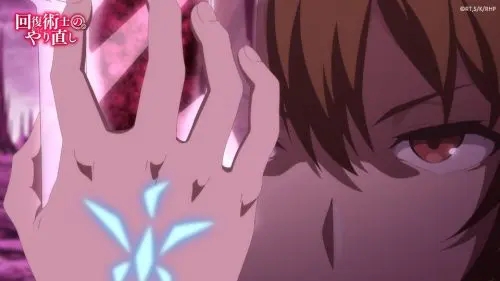
Then you have the messed up stuff. He can use "Corruption" to destroy people from the inside, "Upgrade" to modify stats, and "Transmutation" to change someone's appearance, memories, or mental state entirely. He also has "Predator" which lets him absorb levels and mana from enemies, and he can use his healing on himself to stay young and fit indefinitely. This last one is how he turns Princess Flare into Freia, essentially erasing her personality and rebuilding her as a loyal slave who thinks she always loved him. The show doesn't shy away from showing him use these powers for revenge rape and brainwashing, which is where most of the controversy comes from. People see a protagonist doing things that would make a villain blush, and they can't handle that he's still the guy you're supposed to root for.
The key detail most miss is that healing in this world is inherently traumatic for the healer. Keyaru feels every injury he fixes as if it were happening to him. Four years of healing battle wounds for ungrateful heroes didn't just make him strong through Imitation; it built up a reservoir of pain that he can give back to people. When he tortures his abusers, he's not just being cruel for fun. He's returning the exact suffering he absorbed, which adds a weird layer of poetic justice to the brutality even if it makes you uncomfortable watching it.
The Three Versions Nobody Talks About
If you watched this show on different platforms, you saw completely different anime. There was the standard TV broadcast version that censored everything with white light and steam, the streaming "Redo" version that showed more but still cut certain scenes, and then the AT-X "Complete Healing" version that aired uncensored at 4 AM for the hardcore fans. Most of the viral clips came from that third version, and they made the rounds on Twitter faster than the studio could issue copyright strikes. Crunchyroll didn't even air it, and Amazon removed it from their platform after viewer complaints, which only made people want to see it more.
The existence of three tiers tells you something about how the production team viewed the audience. They knew casual viewers would tune out if they saw the full brutality immediately, but they also knew there was a dedicated group that wanted the unfiltered experience. This strategy of tiered censorship boosted the show's profile because everyone wanted to know what was being hidden behind all that white fog. According to data I found, the light novels sold over 800,000 copies, and the anime got a surprisingly high percentage of female viewers despite, or maybe because of, its reputation. The uncensored truth about the broadcast versions reveals a calculated marketing move that treated controversy as fuel rather than poison.
Why the Revenge Hits Different Than Other Anime
You've seen revenge stories before. The Rising of the Shield Hero starts with a false rape accusation and gets dark, but it quickly turns into a standard harem adventure where the MC becomes OP and collects girls who forgive him immediately. Redo of Healer refuses to let Keyaru become a good person again. He stays angry, he stays cruel, and he treats his companions like "toys" even when he starts caring about them. The author specifically said he hated how other revenge anime abandoned their premise halfway through to become generic power fantasies where everyone loves the hero.
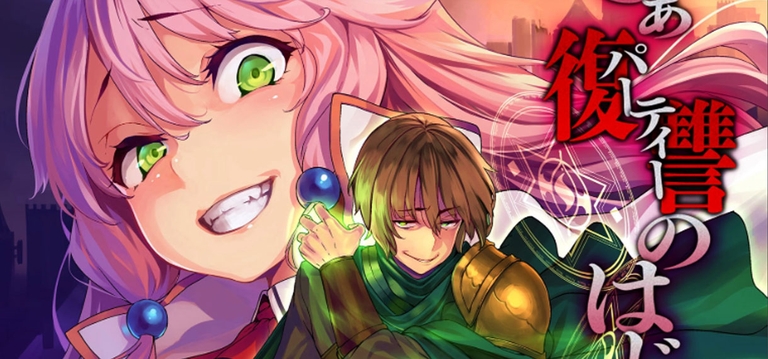
The gender dynamics also flip the usual script. Keyaru is a male rape victim getting revenge on primarily female abusers, specifically Princess Flare, the Sword Hero Blade, and eventually the Cannon Hero Bullet who tried to assault him in the original timeline. This made a lot of people uncomfortable because media usually portrays sexual violence against men as either comedy or impossibility. Seeing it treated with the same weight as female victimization, and then seeing the victim fight back using the same methods his abusers used, created a firestorm of debates about whether the show was criticizing or glorifying abuse.
Episodes 2 and 3 are where the internet broke. That's when Keyaru captures Flare, breaks her fingers, rapes her, erases her memory, and reshapes her into Freia. He does the same thing later with her sister Norn, turning the princess into Ellen, a loyal servant who helps him destroy her own kingdom. These aren't quick scenes played for titillation despite what critics claim. They're long, uncomfortable sequences that force you to watch a victim become exactly as monstrous as his abusers, and they ask whether that transformation is tragic or triumphant.
The Jioral Kingdom Is the Real Monster
Look past the sex scenes and gore, and you'll see the story is really about a failing state. The Jioral Kingdom is corrupt from top to bottom. They practice slavery openly, run drugs through border towns, neglect villages outside the capital, and raise their nobility to believe they're inherently superior to everyone else. Princess Flare and her sister Norn aren't just born evil; they're products of a system that taught them power equals the right to abuse. When Keyaru uses his "Mind Heal" on them and places them in different environments, they become kind people, which suggests the kingdom itself created the monsters he hates.
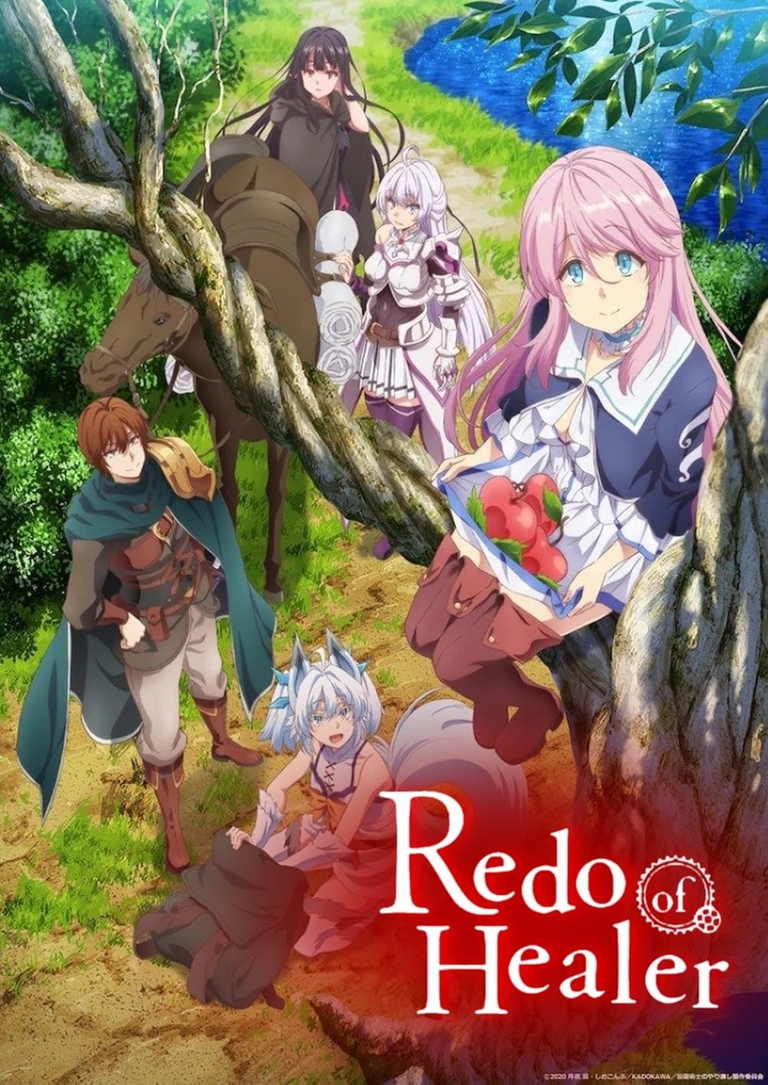
The show touches on how demi-humans get harassed until they form guerilla warfare groups, how the military exterminates innocent demons to justify expansion, and how knights like Kureha Clyret genuinely believe they're serving justice when they're actually enforcing a broken hierarchy. Kureha only realizes the kingdom is evil when Keyaru restores her arm and shows her the truth behind the propaganda. The revenge plot isn't just personal; it's political, with Keyaru systematically dismantling the power structures that allowed his abuse to happen in the first place.
Setsuna's arc shows this clearly. She's from the Ice Wolf clan, a demi-human group that got attacked because the kingdom allows slavery and discrimination. She joins Keyaru not just because he freed her, but because he offers a way to burn down the system that put her in chains. Eve Reese, the demon lord candidate, is running from genocide perpetrated by the current demon lord who has an inferiority complex. Every woman in Keyaru's harem is a victim of the same broken world he is, and they join his crusade because he offers something the kingdom doesn't: agency and revenge.
The Author Played Everyone Like a Fiddle
Rui Tsukiyo, the writer behind the light novels, gave an interview that should be taught in marketing classes. He said he wasn't trying to please everyone. He used the "100 people example" where he'd rather have 50 hardcore fans who buy every piece of merchandise than 100 casual viewers who watch once and forget about it. He knew the other 50 would hate his work, but he didn't care because haters don't affect profit margins. This calculated approach explains why the anime leans so hard into the controversy instead of softening the edges.
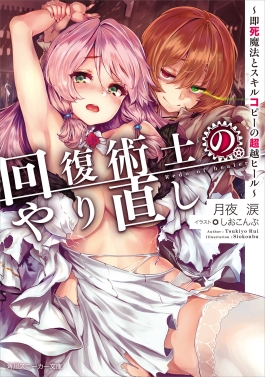
Tsukiyo understood that in the modern anime market, being talked about is better than being liked. He also mentioned that he wrote the story specifically to avoid the "revenge anime becomes harem comedy" trap that Shield Hero fell into. He wanted Keyaru to remain an anti-hero who never gets redeemed, and he stuck to that plan even when it made the story hard to watch. The author actively trolls critics on Twitter and engages with fans who defend the work, creating a siege mentality that makes the fanbase more loyal.
Why Women Actually Watched This Show
Here's a weird fact that doesn't fit the "only incels like this" story: the viewership was split almost evenly between men and women in some regions. Part of this is that the story deals with trauma and recovery in ways that resonate with survivors, even if the methods are extreme. Setsuna joins Keyaru after he frees her from slavery, and her path is about reclaiming agency through violence. Eve Reese is running from genocide. These female characters aren't just window dressing; they have their own trauma and their own reasons for buying into Keyaru's violent revolution.
The show also doesn't pretend that power dynamics between genders don't exist. It shows how women can be abusers and men can be victims, and it refuses to let anyone off the hook regardless of gender. For viewers tired of sanitized, polite discussions about assault, the raw anger of Redo of Healer offered something different, even if it was uncomfortable. The brainwashing elements play into yandere and dark romance tropes that have a significant female fanbase in manga and light novels, which explains why the controversy didn't stop women from watching.
The Aftermath and Season Two
The anime ended with Keyaru having brainwashed two princesses, allied with a demon lord candidate, and declared war on the entire kingdom. The light novels continue the story with more political maneuvering and less sexual violence as the focus shifts to dismantling Jioral's military. A second season was announced but has been delayed, probably because finding a studio willing to animate the remaining content is difficult when the first season caused so many platform headaches.
Whether you think it's garbage or genius, Redo of Healer anime controversy and themes forced the community to have conversations about censorship, victim agency, and what we're willing to watch in fiction. It proved that there's a market for stories that don't offer easy redemption or happy endings, even if that market makes mainstream audiences nervous. Keyaru's path from broken healer to vengeful god isn't pretty, but it's honest about what prolonged abuse does to a person's soul. Sometimes the only way to heal is to hurt back, and this show takes that idea to its logical, disturbing end.
Frequently Asked Questions
Is Redo of Healer just hentai with a plot?
It's classified as ecchi but borders on hentai with its explicit scenes. However, it has a real story about trauma and revenge that goes beyond just sex scenes, though those scenes are graphic enough to make streaming services nervous and get it removed from platforms like Amazon.
Why didn't Keyaru just kill Flare instead of brainwashing her?
Death was too easy for her. He wanted to strip away her power, identity, and royalty, then make her dependent on him the same way he was dependent on her during the abuse. It's about breaking the cycle of power and making her experience the helplessness he felt, not just ending a life.
What's the difference between the three anime versions?
The TV version censors everything with light beams and steam. The streaming Redo version shows more violence and skin but still cuts some sexual content. The AT-X Complete Healing version aired at 4 AM and showed everything uncensored, including the revenge rape scenes that broke Twitter.
Did the author really say he only cares about 50 fans?
In an interview, Rui Tsukiyo said he'd rather have 50 hardcore fans who buy merchandise than 100 casual viewers who don't spend money. He knew the show would be controversial and decided to please the dedicated fans rather than appeal to everyone, using the 100 people example to explain his marketing strategy.
Why do women watch this show if it's supposedly for men?
The show deals with trauma, recovery, and agency in ways that resonate beyond gender. Female characters like Setsuna and Eve have their own detailed trauma arcs, and the story shows men as victims of abuse, which is rare in media. The brainwashing and dark romance elements also appeal to yandere tropes popular with female manga fans.
What are Keyaru's powers in Redo of Healer?
Keyaru is a Healing Hero who can absorb pain and experience through his Heal ability, copy skills through Imitation, modify stats with Upgrade, destroy bodies with Corruption, and rewrite memories and appearance with Transmutation. These powers make him essentially a god who can rewrite reality, which he uses for brutal revenge.