
Sailor Moon Franchise Lore and History Is A Beautiful Disaster
Sailor Moon franchise lore and history is way more chaotic than most fans realize, and that's exactly what makes it worth talking about. You probably remember it as that show with the blonde girl screaming about moon power while wearing a sailor suit, but the production behind this thing was a mess of overlapping deadlines and conflicting visions.
The whole series started because Naoko Takeuchi was already drawing Codename: Sailor V, a solo story about Minako Aino fighting crime. Toei Animation wanted to adapt it, but they insisted on a team format like Power Rangers. So Takeuchi had to create Sailor Moon from scratch while still finishing Sailor V, and the anime started airing only a month after the manga debuted. That meant the 90s anime writers were working with storyboards that didn't exist yet, forcing them to make up entire arcs while waiting for Takeuchi to finish the manga chapters. This simultaneous production created two completely different versions of the same story, with the anime developing a goofier tone and filler episodes that never happened in the comics.
The lore itself starts simple enough with Usagi Tsukino finding a talking cat named Luna, but it quickly spirals into ancient Moon Kingdom politics, reincarnation cycles that break their own rules, and a power scale that goes from fighting street punks to battling the physical embodiment of chaos across the galaxy. By the time you reach the final season, Sailor Stars, you've got ten different Sailor Guardians, three alien pop stars who are actually women disguised as men, and a villain who destroyed the entire universe off-screen before the show started. It's a lot.
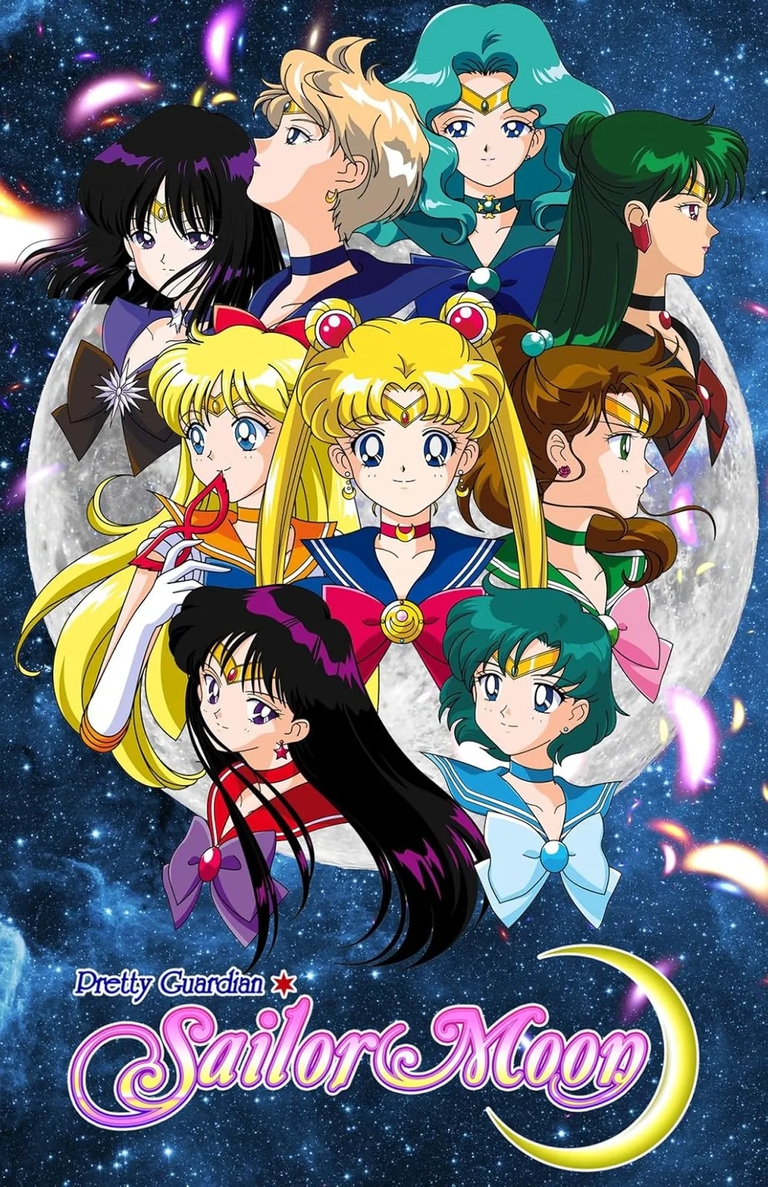
Where It Really Started With Codename Sailor V
Before anyone transformed into Sailor Moon, Takeuchi created Codename: Sailor V in 1991. This followed Minako Aino as a solo magical girl working with a white cat named Artemis to fight the Dark Agency. The villain Phantom Ace, who was actually Danburite in disguise, turned out to be Adonis from the Silver Millennium, a soldier who loved Princess Venus but was destined to die by her hand. He cursed her to never find love, which explains why Minako's love life is such a disaster in the main series.
When Toei asked for an anime adaptation, they didn't want one girl. They wanted five. So Takeuchi expanded the concept, creating the team dynamic and adding Usagi as the lead. Artemis got a partner named Luna, and Minako became Sailor Venus, the leader of the Inner Guardians who shows up last in the anime but was technically the first to exist in-universe. This origin explains why Venus has her own manga series while the others don't, and why she sometimes acts like she knows more than the others, because she actually does.
The Simultaneous Production Disaster
The 90s anime and the manga weren't sequential. They were happening at the same time, with the anime often only six weeks behind the manga publication. That's insane. Most adaptations wait for years of material to exist before they start production, but Sailor Moon was flying blind.
This caused real problems. Takeuchi planned the series as one arc, the Dark Kingdom story, and intended to end it with everyone dying. Toei wanted more episodes because the ratings were good, so they forced her to continue. Editor Fumio Osano suggested adding Usagi's future daughter Chibiusa to extend the story, which created the Black Moon arc. But the anime needed time to let Takeuchi write ahead, so they invented the Makai Tree arc, also called the Doom Tree arc, featuring aliens Ail and Ann who steal human energy with Cardians. These characters never existed in the manga and are never mentioned again after their eight-episode arc ends.
The manga villains often got defeated in one or two chapters because Takeuchi was rushing to stay ahead of the anime. The Four Kings of the Dark Kingdom, Jadeite and Nephrite and Zoisite and Kunzite, had detailed backstories in her notes but barely appeared in the manga. The anime expanded them significantly, giving Nephrite that weird romance with Naru that broke everyone's heart when he died. This difference in pacing means the manga feels compressed and tragic while the anime feels episodic and sometimes silly.
The Silver Millennium Backstory Keeps Breaking Its Own Rules
The foundation of Sailor Moon franchise lore is the Silver Millennium, an ancient kingdom on the Moon that existed a thousand years ago. Queen Serenity ruled it, and her daughter Princess Serenity fell in love with Prince Endymion of Earth, which was forbidden for diplomatic reasons. The Dark Kingdom attacked, everyone died, and Queen Serenity used the Silver Crystal to reincarnate everyone on Earth in the 20th century.
But here's where it gets weird. Later arcs reveal that Sailor Guardians are constantly reincarnated throughout history as the guardians of their planets, and that the Silver Crystal grants immortality. So why did Queen Serenity have to sacrifice herself to send everyone to the future if they were just going to reincarnate anyway? The Stars arc suggests Senshi reincarnate eternally, which makes that initial sacrifice seem pointless. Also, if the Moon Kingdom was so advanced, why didn't they have proper defenses?
There's also the problem of Sailor Earth. Every planet has a Sailor Guardian except Earth. That's because Earth has Prince Endymion, who becomes Tuxedo Mask. The lore states that only women can be Sailor Guardians, and each one is the princess of her planet. Since Earth has a prince instead of a princess, there's no Sailor Earth. Tuxedo Mask functions as the Earth's protector in practice, but he can't transform like the others and his powers are mostly throwing roses and being mysterious. The 2003 live-action series tried to fix this by making him more powerful, but in the 90s anime he's mostly just bait for kidnappers.
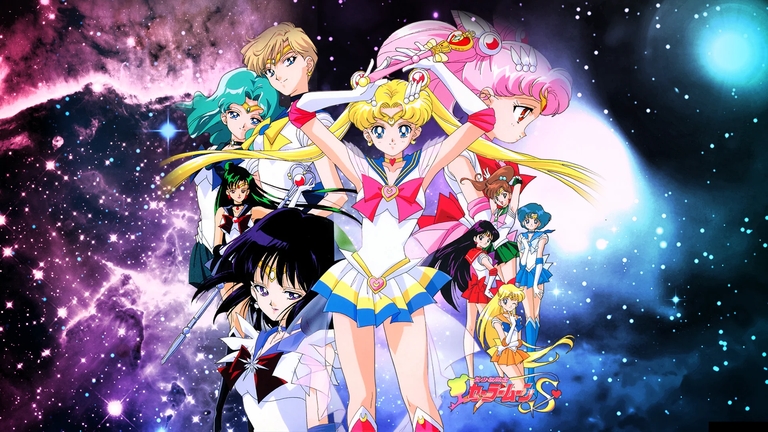
How The 90s Anime Went Completely Off Script
Because the anime staff was mostly male while Takeuchi was writing a shojo manga, the tone shifted significantly. Takeuchi noted the anime had a "slight male perspective," which meant more focus on action sequences and monster-of-the-week battles, and less on the emotional introspection and romantic tragedy of the manga.
Usagi in the manga is clumsy but deeply emotional and mature in her own way. In the anime, she's often a crybaby who eats too much cake and needs Tuxedo Mask to save her every episode. Rei Hino becomes way more antagonistic toward Usagi in the anime, turning into a tsundere rival for Mamoru's attention, while in the manga she's more reserved and spiritual. The anime also toned down the violence and death, showing the Sailor Guardians getting captured or turned into dolls instead of straight-up dying during the Dark Kingdom finale.
The filler episodes created their own mini-lore that contradicts the main story. There are episodes where the characters meet ghosts, time travel to the Edo period, or fight video game villains, none of which fits with the cosmic scale of the later arcs. The anime also refused to let certain characters stay dead, bringing back the Four Kings as ghosts to help Mamoru in the SuperS movie, even though they were clearly killed off in the first season.
The Censorship Mess In Western Dubs
When Sailor Moon hit North America in 1995, DiC Entertainment got their hands on it and decided Japanese culture was too scary for American kids. They changed names, flipped car scenes to show driving on the right side, cut entire episodes, and removed any hint of LGBTQ+ content.
The biggest change was making Haruka Tenoh and Michiru Kaioh, Sailor Uranus and Neptune, into cousins instead of lovers. This created this weird unintentional incest subtext because they were still clearly flirting with each other. Zoisite, who was a gay male villain in love with Kunzite in the original, became a female character in the dub. Fisheye from the Dead Moon Circus, who was a cross-dressing man who hit on other men, also became female.
They also cut out violence against children, which meant removing scenes where the villains attacked the Sailor Guardians, and any nudity during transformation sequences was covered with digital swimsuits or cut entirely. Cloverway later handled the S and SuperS seasons with slightly less censorship, keeping the relationships ambiguous but still cutting content. It wasn't until Viz Media redubbed the entire series) that English-speaking fans got the actual story without the weird edits.
Sailor Moon Crystal And The Attempt To Fix Everything
In 2014, Toei released Sailor Moon Crystal, promising a faithful adaptation of the manga that would ignore the filler and stick to Takeuchi's vision. The character designs went back to her original art style with the long limbs and big eyes, and the story hit all the major manga beats without the monster-of-the-week padding.
But Crystal had its own problems. The animation quality was inconsistent, with some episodes looking gorgeous and others having off-model faces that fans called "Sailor Moon Derp." The pacing felt rushed because they were adapting roughly one manga chapter per episode, removing the breathing room that even the compressed manga had. The characters came off as flat compared to the 90s anime versions that fans had grown up with.
The series covered the Dark Kingdom, Black Moon, and Death Busters arcs, then continued with the Eternal movies for the Dead Moon Circus arc and Cosmos for the Stars arc. These movies looked better than the TV series and finally gave fans the manga ending where everyone dies and comes back through the power of friendship and the Lambda System. Crystal serves as the definitive version for purists who want Takeuchi's original story without the 90s anime's detours, but it lacks the warmth and character development that made the original anime so beloved despite its flaws.
The Hidden Mythology Most Fans Miss
Takeuchi packed the series with references most viewers don't catch. The Silver Crystal appears as a lotus flower when at full power, which symbolizes enlightenment and rebirth in Buddhism and Hinduism because lotuses grow from mud but bloom clean. The forbidden romance between Serenity and Endymion comes straight from Greek mythology, where Selene the moon goddess fell in love with Endymion the shepherd, causing the first eclipse because she stopped moving the moon to watch him sleep.
Each Sailor Guardian corresponds to their planet's gemstone and mythology. Sailor Mars controls fire because Mars is the red planet and associated with war. Sailor Mercury is the strategist because Mercury is the messenger god. Sailor Jupiter has lightning and plant powers because Jupiter was the god of thunder and wood. The Sailor Starlights represent shooting stars, and their princess Kakyuu is based on the legend of the Tanabata festival.
The cats Luna, Artemis, and Diana are named after the Roman moon goddess and her counterparts, and they come from the planet Mau, which is named after the cat sound. Diana was originally going to be a fairy named Diana in the first arc, but Takeuchi scrapped that idea and reused the name for the future kitten instead.
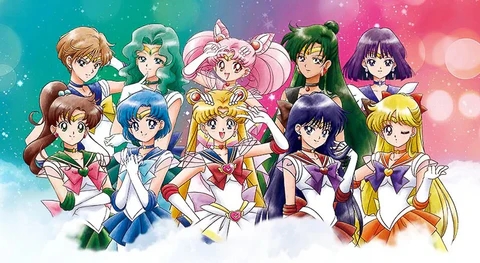
Sailor Moon franchise lore and history is held together with duct tape and good intentions, but that's why it works. The inconsistencies between the manga and anime, the censorship wars, and the retconned backstories created this multilayered text where there's always something new to argue about. Whether you prefer the emotional gut punches of the manga or the comfy episodic nature of the 90s anime, you're getting a story that changed the game for magical girls and female-led action shows.
The franchise has survived thirty years because it balances cosmic horror with schoolgirl problems, dealing with the end of the world while also worrying about math tests. It made $2.5 billion in merchandise because kids wanted those wands and compacts, not because the lore was airtight. The beauty of this series is that it grew with its audience, starting as a simple good-vs-evil story and ending as this weird philosophical meditation on immortality, gender, and the cyclical nature of war. That's a pretty good run for a comic that started because an editor said "make them wear sailor suits."
Frequently Asked Questions
Why isn't there a Sailor Earth in the series?
According to the lore, only women can be Sailor Guardians, and each one is the princess of her planet. Earth has Prince Endymion, who becomes Tuxedo Mask, so there's no Sailor Earth. He protects Earth but can't transform like the others.
What's the difference between the 90s anime and Sailor Moon Crystal?
The 90s anime was produced simultaneously with the manga and added lots of filler episodes and character changes. Crystal, released in 2014, follows the manga closely with modern animation and cuts the filler, but it rushes through the story and has inconsistent animation quality.
Why were Haruka and Michiru changed to cousins in the English dub?
DiC and Cloverway thought American audiences couldn't handle a lesbian couple in a kids' show, so they rewrote them as cousins. This created weird implications since they still flirted with each other. The Viz Media dub restored their relationship.
What is the Silver Millennium exactly?
It was an ancient kingdom on the Moon ruled by Queen Serenity a thousand years ago. It served as a diplomatic hub for the solar system until the Dark Kingdom destroyed it, forcing the queen to reincarnate everyone in 20th century Tokyo.
Who is Sailor Venus and why does she have her own manga?
Minako Aino starred in Codename: Sailor V before Sailor Moon existed. She's the first Sailor Guardian to awaken and works solo with Artemis until joining the main team. Her series acted as the prototype for the Sailor Moon concept.