
Social Commentary in Anime Is Everywhere If You Pay Attention
People keep asking where to find social commentary in anime like it is some rare gem you need a map to locate. They think it is buried under artsy indie films or locked inside 90s OVAs that nobody watched. That is dead wrong. Social commentary in anime is sitting right there in your shonen battle series, your isekai power fantasies, and your cute girl slice of life shows. You are just looking at the explosions and missing the message.
The medium is packed with angry creators who use giant robots and magical girls to scream about real problems. Japanese animators and writers have been dealing with economic crashes, nuclear anxiety, and workplace death cults for decades. They pack that frustration into shows about space wars and demon hunters. If you think Attack on Titan is just about eating people or that Spirited Away is a fun ghost story, you are watching with your eyes closed.
I have been digging through this stuff for years. The politics are not hidden in some secret code. They are loud and obvious once you stop treating animation like it is only for kids or escapism. Let me walk you through where this stuff lives and why it hits harder than most live-action shows dare to try.
The Capitalist Meat Grinder
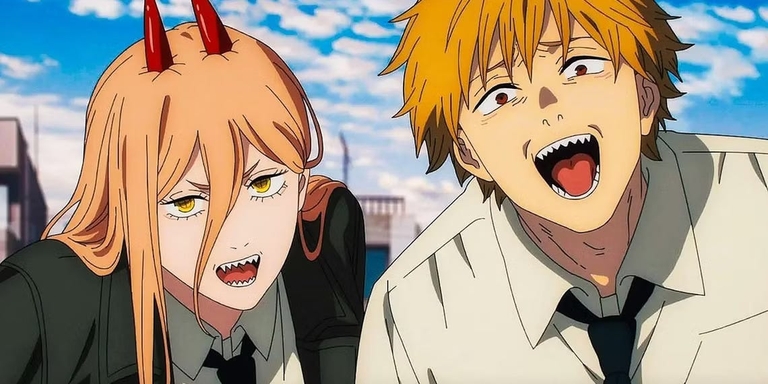
Denji is not just a horny teenager with chainsaws coming out of his arms. He is a portrait of a kid broken by poverty and debt. The whole setup of Chainsaw Man is about exploitation. Denji works dangerous jobs for crumbs, gets treated like trash by his boss, and signs away his body parts just to survive. That is not edgy humor. That is a direct attack on gig economy culture and the way corporations chew up young workers. He is specifically in debt to the yakuza, which mirrors how organized crime exploits desperate people in real Japan where salarymen fall through the cracks. When he becomes Chainsaw Man, he trades one exploitative boss for another. The Public Safety Devil Hunters are just a government version of the yakuza, both treating Denji like a weapon instead of a person.
Retsuko from Aggretsuko is screaming death metal about the same thing. She sits in an office every day getting pushed around by sexist pigs and narcissistic managers. The show looks like a Sanrio commercial but it is really about Japanese office culture crushing souls. She faces the gendered version of this exploitation, expected to be cute and obedient while male coworkers take credit for her work. The death metal scenes are funny but they are her only outlet for rage that has no other escape valve. Japanese work culture demands total dedication to the company family while paying you just enough to afford a tiny apartment and instant ramen.
Then you have Planetes, which follows space garbage collectors. It is boring on purpose. The show wants you to feel the emptiness of working a pointless job for a corporation that sees you as replaceable. These creators hate capitalism and they are not shy about it. The main character starts off idealistic but gets ground down by corporate indifference until he realizes he is just cleaning up the mess left by wealthy military programs and satellite companies.
When the Government Becomes the Enemy
The Sibyl System in Psycho-Pass is a direct shot at predictive policing and surveillance states. The show asks what happens when you let algorithms decide who is a criminal before they commit a crime. It is about societies that sacrifice freedom for fake safety. The cops in that show are basically walking weapons enforcing thought crime laws. This is an obvious parallel to predictive policing algorithms that real police departments use now to harass minority communities. The show asks whether a society with zero crime is worth living in if you have to give up all privacy and free will.
Code Geass takes that energy and turns it into a rebellion story. Lelouch is a terrorist by every government definition. The show follows him tearing down a colonial empire that treats conquered nations like livestock. It is messy and complicated. He is not a perfect hero. That is the point. Real political revolution is ugly and costs lives. The Britannian Empire is a colonial power that treats conquered Japanese people as numbers instead of humans. Lelouch uses terrorist tactics because that is the only tool available to the powerless. The show refuses to sanitize rebellion. Innocent people die. Lelouch makes deals with devils. The morality is gray because real political resistance is never clean.
Ghost in the Shell gets into the nitty gritty of information control and government corruption. Section 9 fights cyberterrorism but they spend half their time fighting politicians who are using crises to grab more power. The show deals with fake news and election interference before those terms were mainstream. It shows how easy it is to manipulate public opinion when everything is digital.
Racism Without Using Human Characters
Beastars looks like Zootopia fanfiction but it is a brutal look at discrimination. The carnivores and herbivores live in constant tension. The show digs into instinctual prejudice and how societies create systems to keep certain groups down. It is about race and class without ever saying the words. When a herbivore gets eaten, the school goes into lockdown and every carnivore becomes a suspect. This is stop and frisk policy. This is racial profiling. Legoshi struggles with his own instincts because society tells him he is a monster waiting to happen. That is the experience of growing up as a minority in a society that fears you.
86 does the same thing with mecha battles. The Republic puts minority citizens in death machines and tells them they are not even human. They use language and paperwork to hide genocide. The show is about how governments use bureaucracy to mask racism and how easy it is for citizens to ignore atrocities happening in their backyard as long as they are comfortable. The Alba citizens send the Colorata minorities to the front lines and literally erase their existence from official records. The government claims unmanned drones are fighting the war but they are actually manned by these disposable people. This is about how language and bureaucracy are used to hide genocide.
The Mental Health Crisis Nobody Wants to Name
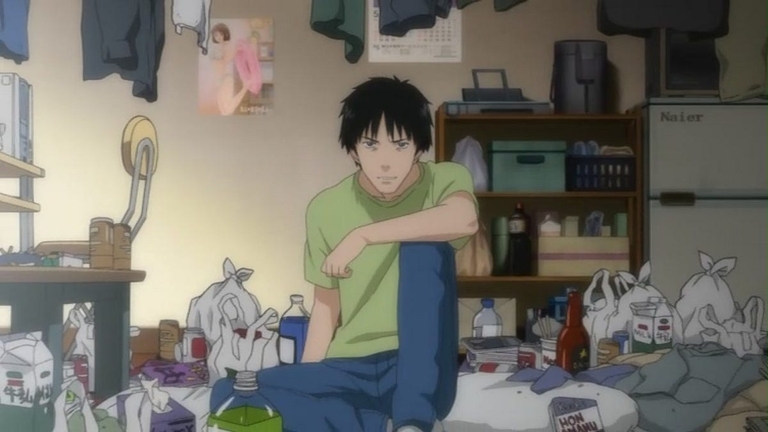
Satou from Welcome to the NHK is a hikikomori. He has not left his apartment in months. The show does not make him a quirky hero. It shows the rot and the paranoia and the way society failed him. It is about social anxiety and the pressure to conform until you break. He is paralyzed by anxiety and conspiracy theories and the crushing weight of expectation. The show explores how the Japanese economic bubble burst left a generation behind, creating hikikomori who cannot function in the rigid social structure. Misaki tries to fix him but she is broken too. The show refuses to offer easy solutions because there are none.
Odd Taxi looks like a kid's show with its animal characters but it is about addiction, depression, and the way social media makes us all perform fake versions of ourselves. The main character is a walrus taxi driver who is just trying to get through the day while the world falls apart around him. The characters are all connected but none of them really see each other. They are too busy performing for their followers or hustling for their next paycheck. These shows get that modern life is isolating and weird and they do not offer easy fixes.
War Is Hell and Your Side Is Not Innocent
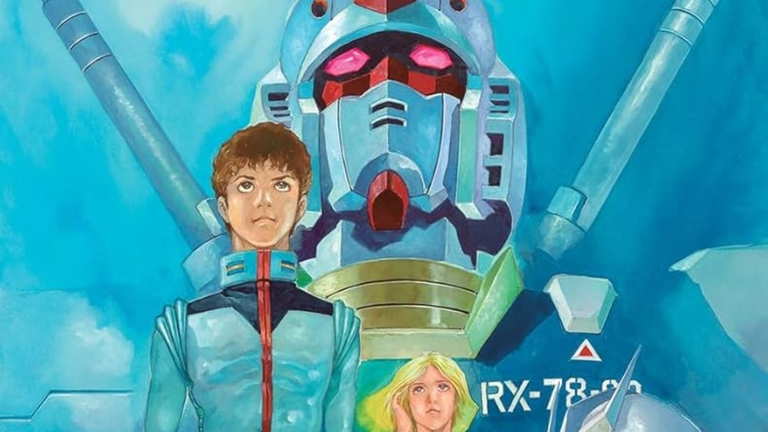
Mobile Suit Gundam invented the real robot genre specifically to show that war is not fun. Amuro Ray is a kid who gets traumatized by killing people. The series follows how military industrial complexes create eternal conflicts to sell weapons. Gundam 00 and Witch from Mercury specifically look at corporate warfare and privatized militaries. The original series had Amuro killing enemy pilots and then showing him vomiting in the cockpit because he realized they were human beings. This was revolutionary in a time when mecha shows treated enemies like faceless robots.
Later series like Iron Blooded Orphans show child soldiers being bought and sold by corporations. The kids form their own security company but they are still just disposable labor to the rich people running the government. Grave of the Fireflies strips away all the mecha glamour. It is just two kids starving to death because of war. It is an anti-war statement that does not flinch. It removes all the sci-fi trappings and just shows two siblings dying because their country started a war it could not finish.
Legend of the Galactic Heroes is basically a political science textbook about how democracies can rot and autocracies can seem efficient until they do not. It is 110 episodes of arguing about governance while spaceships blow up. It compares the slow rot of democracy to the efficient brutality of autocracy. It argues that both systems fail because humans are flawed, but at least democracy fails slower.
Miyazaki Will Not Stop Talking About the Environment
Hayao Miyazaki is angry about pollution and he has been saying it since the 80s. Princess Mononoke is about industrialization destroying nature and how both sides of that conflict lose something. These films are not subtle. The bad guys are literally destroying forests or turning into pigs because of greed. Miyazaki thinks humanity is screwing up the planet and he uses beautiful animation to make you feel guilty about it.
In Princess Mononoke, both the forest gods and the ironworks are trying to survive. The humans need to cut down trees to feed their people. The wolves need to kill humans to protect their home. There is no easy answer but the film makes it clear that uncontrolled industrialization will destroy everything. Nausicaa of the Valley of the Wind shows a post apocalyptic world where toxic jungles are really cleaning up the mess humans made. The so called monsters are just part of the healing process. Miyazaki hates war machines and pollution and he puts that hatred into every frame of his films.
Spirited Away is about a girl working in a bathhouse for spirits and losing her name. It is a clear metaphor for labor exploitation and identity loss in modern work culture. In Japanese culture, names hold significant importance, often tied to identity and memory. When Yubaba steals Chihiro's name, she turns her into a mindless puppet. That is what corporations do to workers.
Cultural Imperialism and Soft Power
Outbreak Company is a weird one. It looks like a harem comedy but it is actually about cultural imperialism. Shinichi is sent to a fantasy world to spread otaku culture because the Japanese government wants to create dependency. If the locals start craving manga and anime, they will need Japanese imports to get their fix. This is how soft power works in the real world. America does it with Hollywood. Japan does it with anime. The show questions whether this is ethical even when the culture being spread seems harmless.
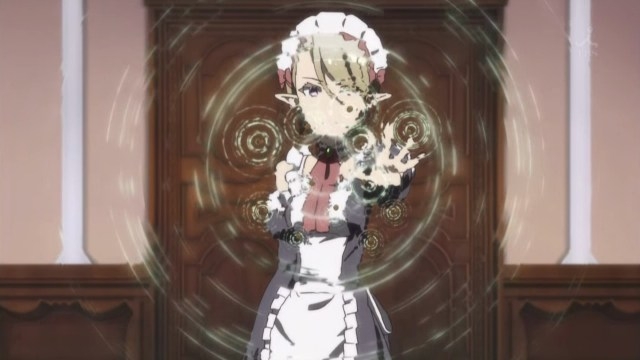
The show explores how Japan uses anime and manga as political tools to establish economic and political ties. It also looks at how this exchange affects traditional art forms in the fantasy world, with painters abandoning their own styles to draw moe characters because that is what pays now. The main character tries to use manga to break down caste systems and racism in the fantasy world, but the Japanese government is just using him to get resources.
The Information War
Attack on Titan starts as a zombie movie with walls. It ends as a story about government propaganda and historical revisionism. The characters realize their entire history is a lie told by the state to keep them compliant. It is about how controlling information is the best way to control people. The Eldians on the island do not know they are the descendants of an empire that committed genocide. The Marleyans tell them they are devils but Marley committed atrocities too. Everyone is lying to maintain power. The show gets into how nationalism is manufactured through propaganda and how easy it is to turn people against each other by controlling information.
Ghost in the Shell Stand Alone Complex deals with the stand alone complex phenomenon where copycat crimes happen because of media coverage, essentially predicting the way viral misinformation spreads online today. It shows the bureaucratic nightmare of trying to do the right thing inside a corrupt system. Section 9 is full of good cops but they are constantly blocked by politicians who care more about poll numbers than justice.
Gender and Identity Politics
Kunihiko Ikuhara makes weird anime about social issues and identity. Revolutionary Girl Utena is about breaking gender norms and escaping cycles of abuse. It has a girl who wants to be a prince fighting against a system that wants her to be a princess. It is about breaking free from gender roles that trap people in cycles of abuse. Sarazanmai is about connection and how modern society makes it hard to really know other people. The kappa zombies represent the secrets and desires people hide.
Kino's Journey is about a traveler who visits countries with bizarre customs and never judges but always observes. The show asks why we accept our own society's weird rules just because they are familiar. These shows use surrealism to talk about how society boxes people in based on gender and expectation. They are not always easy to watch but they are always saying something about the pressure to conform.
Why This Matters
You cannot escape social commentary in anime because the creators cannot escape their own society. They live in a country that saw its economic bubble burst and never really recovered for the working class. They live with the knowledge that their grandparents committed war crimes and their parents worked themselves to death. They see the birth rate dropping because nobody can afford kids and the elderly are dying alone. All of this pain goes into the shows.
When you watch these series, you are not just watching entertainment. You are watching a culture processing its own trauma in real time. The giant robots are metaphors for military industrial complexes. The magical girls are metaphors for the exploitation of young women. The isekai portals are metaphors for escapism that does not actually work.
Do not let anyone tell you anime is just for kids or just mindless fun. The best shows are angry and smart and willing to ask questions that make people uncomfortable. They hide these messages behind pretty colors so the censors do not catch on, or so the audience does not realize they are being taught. But the message is there. Social commentary in anime is the whole point. Look for it.
Frequently Asked Questions
Is anime just escapism without real messages?
No, and it never was. While some shows are pure escapism, classics like Mobile Suit Gundam were explicitly created to criticize war and military propaganda. Even battle shonen like One Piece feature protagonists fighting corrupt world governments.
How do I spot social commentary in anime?
Look past the action scenes at the power structures. If a show has a mega corporation, a corrupt government, or rigid class systems, it is probably saying something about real world inequality. Pay attention to who holds power and who gets exploited.
Which anime criticize capitalism?
Chainsaw Man attacks gig economy exploitation, Aggretsuko critiques Japanese office culture and sexism, and Planetes examines corporate indifference toward workers. These shows use sci fi and comedy elements to discuss labor issues.
What anime deal with racism?
Beastars uses predator prey dynamics to explore racial profiling and discrimination. 86 explicitly shows how governments use bureaucracy and language to hide genocide against minority groups.
Do Japanese anime criticize Japanese society?
Yes, but often indirectly. Many creators use fantasy settings or non human characters to criticize Japanese work culture, historical revisionism, and social conformity without triggering direct censorship.