
Tales of Zestiria the X Is Gorgeous But Broken
Tales of Zestiria the X is the prettiest trainwreck you'll see this year. Ufotable threw their entire animation budget at this adaptation and somehow forgot to hire someone to check if the plot made sense. If you played the original game, you'll spend half the runtime screaming at your screen about why they're changing mechanics that didn't need fixing. If you haven't played it, you'll probably just wonder why everyone keeps crying about dragons they suddenly can kill after saying they couldn't.
That's the real problem here. The show looks like it cost a million dollars per episode. The fight scenes move like liquid. But the story starts wobbling halfway through season one and completely falls apart once season two kicks in. It's weird because the first few episodes actually trick you into thinking this might be one of the better game adaptations out there. Then it keeps going and you realize they didn't have a plan for the back half.
The Visuals Are Unfairly Good
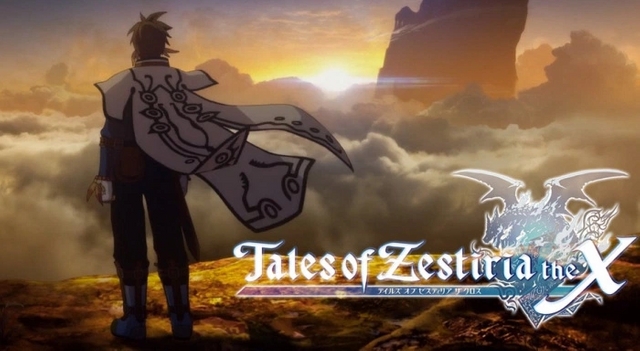
Let's get this out of the way first. Ufotable didn't hold back on a single frame. The backgrounds look like someone took photographs of real landscapes and painted over them with fantasy colors. The lighting effects during the armatization sequences are legitimately beautiful, all glowing gold and blue particles swirling around Sorey like he's made of light. When he pulls that sword from the rock in the first episode, you can see why this studio got the gig. People on MyAnimeList gave the animation a straight 10 out of 10, and honestly, they aren't wrong. The character designs pop against the environments, the magic effects have real weight and impact to them, and even the CGI background crowds don't look terrible most of the time, which is rare for anime.
The fight choreography is exactly what you'd expect from the studio that did Fate. Sorey spins around like he's weightless when he's fighting hellions, flipping through the air and slamming down with that sword. The camera work during the big set pieces keeps up with the action without getting messy or confusing. There's one sequence in the second opening where he's fighting on a bridge that looks better than most movie fight scenes. It's just frustrating that all this talent and money got wasted on a story that keeps tripping over its own feet and breaking its own rules.
Season One Starts Strong Then Stalls
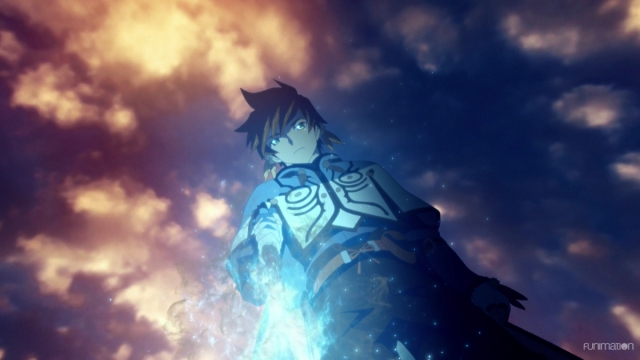
The first half of Tales of Zestiria the X isn't bad if you don't know any better. It follows the game pretty closely at first, hitting the major beats. You get Sorey meeting Alisha in the ruins, leaving Elysia with Mikleo, becoming the Shepherd at the lake with Lailah, the whole deal. They spend extra time on Alisha's political situation, which the game players actually wanted since she got sidelined hard in the original story after the first few hours. Here she gets to actually fight, make decisions, and have opinions instead of just being a damsel who needs rescuing every five minutes.
But then around episode four, the pacing gets weird. Things slow down way too much and never really recover. Everyone's just traveling from point A to point B. Sorey beats up some generic monsters, they stand around talking about malevolence and the age of chaos for the hundredth time, and nothing really happens to move the plot forward. The political tension between the Hyland Kingdom and the Rolance Empire that should feel urgent and dangerous just sits there like background noise. You keep waiting for the story to kick into gear, but it keeps taking these pit stops to look at scenery and have characters explain lore you already figured out three episodes ago.
The Berseria Episodes Kill The Momentum
Then episodes five and six happen. Out of nowhere, the show slams on the brakes hard to give you a two-part commercial for Tales of Berseria. Velvet Crowe shows up with her own problems, her own cast of characters, and her own revenge plot that has absolutely nothing to do with Sorey or his quest. If you've played Berseria, it's cool to see her animated and stabbing people with her demon arm. If you haven't played it, you're just confused about why we're spending two full episodes watching this angry lady tear through prisons and eat people when we were supposed to be following the Shepherd on his world-saving quest.
This isn't a small detour. It eats up crucial early season real estate that should have been spent establishing the Lord of Calamity as a real threat or developing the party dynamics between Sorey and his Seraphim. When the show snaps back to Zestiria in episode seven, the energy is completely gone. You can feel that the production just wanted to promote the newer game that was coming out and didn't care that it broke the flow completely. Some fans argue these were the best episodes of the whole series, but that's only because Velvet is a more interesting protagonist with actual flaws and anger issues compared to Sorey's bland nice guy routine. That's not a good sign for your main character when the side story in the middle of your show is better than the main event.
Season Two Goes Full Fanfiction
Season two is where it gets really messy and starts insulting the intelligence of people who played the game. The first season at least tried to follow the major game events even if it rushed them. The second season starts changing things for no good reason and creates plot holes you could drive a truck through. In the game, it's established multiple times that dragons cannot be purified once they're fully corrupted by malevolence. It's a whole tragic theme about loss and accepting death. The anime suddenly decides in season two that Sorey can purify them anyway if he just tries hard enough or gets emotional enough, which completely breaks the established lore about why Eizen's situation is such a tragedy and why Edna is sad all the time.
Then there's the Pendrago arc. In the game, Cardinal Forton is the source of the endless rain because she's corrupt, powerful, and has been spreading malevolence through the church. The anime swaps her out for a dead dragon that nobody cares about and that doesn't make sense with the rules they established. They also wrote out Pope Masedra, who was a major political figure in the game, and replaced him with nothing. The whole thing feels smaller and less important than it should be. They also let Alisha armatize with Sorey during a battle, which literally never happens in the game and makes no sense with the established rules about how Squires work. She's supposed to be a normal human with high resonance who can see Seraphim, not a fusion partner who can combine with the Shepherd.
The Camlann stuff gets butchered too. Sorey and Mikleo, who are supposed to be the main characters, get sidelined in their own story's climax. The final battle has Sorey fusing with every single Seraph at once to become super powerful, which the game explicitly says is impossible and dangerous. It's like the anime writers played the game once on easy mode, forgot half the details about the lore, and just made up whatever sounded cool without checking if it contradicted earlier episodes.
Season two fanfiction discussion
The Characters Feel Wrong
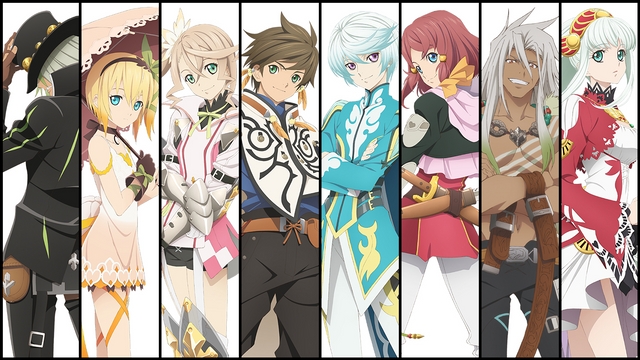
Sorey is boring. There's no other way to put it that doesn't waste your time. He's a generic nice guy who wants humans and Seraphim to get along because... he just does. He doesn't grow or change as a person throughout the entire series. He just gets more powers and wins harder. Mikleo spends literally half the show just saying Sorey's name in a worried voice and looking concerned. That's his entire character arc. He gets a new outfit at the end but his personality stays flat as a board.
Edna shows up late and makes sarcastic comments about everyone, which is funny at first, but her whole emotional deal with her brother Eizen being a dragon gets rushed through so fast it doesn't land with any impact. Zaveid just appears to hit on her and shoot things. Dezel gets introduced and then dies so quickly you wonder why they bothered. Rose is the most confusing of all. She's supposed to be this hardcore assassin guild leader who kills people for money, but her motivations flip around depending on what the plot needs that week. One minute she's trying to kill Alisha's political enemies, the next she's best friends with her and giving her pep talks. The show wants you to think she's complex but she's just inconsistent and poorly written.
Alisha gets the opposite problem from the game. The show gives her way too much screen time compared to the source material, but it doesn't know what to do with it. She just keeps getting saved by Sorey or being noble and pure while everyone else does the actual work. Her friendship with Rose comes out of nowhere and feels completely forced, like the writers knew fans wanted to see them interact so they just put them together without building up to it. By the end, she's armatizing and doing things that break the power scaling just because the anime staff liked her character model.
The Ending Makes Less Sense Than The Game
The finale is a complete mess that tries to be emotional but just raises questions. Sorey beats the Lord of Calamity, which is fine, but then he decides to take a nap for what appears to be a few centuries to purify the world from all the malevolence at once. In the game, this is a huge sacrifice that costs him his humanity and his relationships. In the anime, it feels completely tacked on and unnecessary. The time skip at the end where Mikleo is waiting for him in the ruins is supposed to be bittersweet and romantic, but it just makes you wonder why Sorey couldn't find another way to fix things or why he didn't take Mikleo with him.
They also spoil the identity of Maotelus way earlier than they should, which ruins the mystery and the impact of the final dungeon. The actual final fight looks incredible, don't get me wrong. The animation during the boss battle against Heldalf is top tier Ufotable work with particles and effects everywhere. But you're sitting there wondering why the rules keep changing every five minutes and why Sorey can suddenly do things that characters spent twelve episodes saying were impossible. The power of friendship doesn't work as an explanation when you've spent the whole series establishing hard magic rules.
Should You Even Bother Watching
If you care about the game lore or the established rules of the world, this anime will drive you up the wall. It changes too much for zero benefit. The Berseria shoehorning makes the pacing weird and unsatisfying. The character changes in season two invalidate the themes of sacrifice and hard choices that the original story was built on.
But if you just want to see pretty pictures moving on a screen and don't care about consistency or logic, it's worth a look. The action scenes are genuinely fun to watch even when the story makes no sense. The music is great since they just reused the excellent game soundtrack composed by Motoi Sakuraba. And if you're a Berseria fan, seeing Velvet Crowe animated and voiced might be worth sitting through the rest of the nonsense.
It's not the worst adaptation out there. The first season is solid enough and the Alisha focus is genuinely good. Just know that season two goes off the rails hard and breaks everything. You might want to stop after the first season ends and just play the game for the real story and ending. Or watch it with friends so you can laugh at the plot holes together.
Tales of Zestiria the X stands as a perfect example of why great animation can't save a broken adaptation. Ufotable delivered some of the best looking episodes in anime history, but the story changes in season two break everything the game built. The Berseria insertion disrupts the pacing, the character arcs get twisted into pretzels, and the lore stops making sense halfway through. If you want a visual spectacle and don't mind turning your brain off completely, go for it. If you loved the game, prepare to be frustrated by the wasted potential. Either way, you'll remember how it looked long after you've forgotten what it was trying to say.
Frequently Asked Questions
Is Tales of Zestiria the X faithful to the game?
Season one follows the game reasonably close but season two changes major plot points, character abilities, and lore rules. It lets characters do things that are explicitly impossible in the game and alters key story beats.
Do I need to play the game to understand the anime?
The anime tries to explain the basics but assumes you know who the characters are and how malevolence works. You can follow the plot without playing, but some emotional beats won't hit as hard.
Why do people hate the Berseria episodes?
Episodes five and six suddenly switch to a different cast and story set in the past to advertise Tales of Berseria. It kills the pacing of Zestiria's story and confuses viewers who haven't played that game.
Is the anime better than the game?
Some people prefer the anime's focus on Alisha and the improved visuals, but most fans agree the game has a more coherent story. The anime's second season is widely considered worse than the game's ending.
Why can Sorey purify dragons in the anime but not the game?
The anime writers changed the rules in season two to give Sorey an easier win. In the game, dragons are too far gone to save, which is a major tragic element. The anime ignores this for a happier ending.