
The En Family Runs on Loyalty and Mushrooms
The En Family dynamics and character hierarchy in Dorohedoro create something you don't see often in dark fantasy. You've got this group of professional murderers who handle cleanup for a mushroom-obsessed crime boss, and they act more like siblings than coworkers. That's the weird magic of Q. Hayashida's writing. She built an organization where the top hitmen bicker over dinner while the boss worries about his subordinates' love lives, and somehow it feels more real than most fictional families.
Most crime syndicates in fiction feel like cardboard cutouts shouting about honor while stabbing each other. Not these guys. The En Family operates on genuine affection buried under layers of violence and sarcasm. They live together in this massive mansion, eat together, fight together, and genuinely care whether everyone makes it home. When En gets dismembered and turned into a mushroom pie, the whole organization doesn't collapse because nobody's scrambling for power. They're just trying to get their dad figure back together.
How En Built a Family Instead of an Army
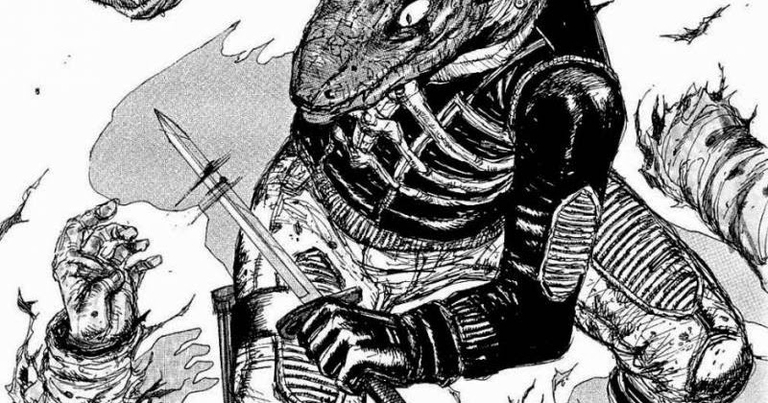
En himself is this terrifyingly powerful smoke user who can turn anything into mushrooms with a touch, but he runs his organization like a weird hybrid between a mafia don and an overprotective father. He didn't just gather the strongest magic users and call it a day. He found broken people and gave them a home. Shin was half-human and treated like garbage in the Magic User world. Noi was a combat freak with healing magic who everyone feared. Fujita was weak and useless by sorcerer standards. Ebisu had identity issues and a busted magic ability. Instead of exploiting them, En gave them masks, paychecks, and a place at his dinner table.
The hierarchy is dead simple but weirdly fair. En sits at the top making decisions and growing literal mushroom forests in his mansion. Below him are the Cleaners, the hit squad that handles problems. Shin and Noi form the main pair, the heavy hitters who take down other sorcerers. Then you've got Fujita and Ebisu as the B-team, the rookies who handle smaller jobs and mess up constantly but keep getting chances because En sees something in them. Turkey handles the cooking and support. Kikurage, that weird little devil creature, just wanders around being cute and occasionally saving lives with its resurrection abilities.
What makes this work is that En actually pays attention to his people's needs. He notices when Noi's crushing on Shin. He gives Fujita pep talks even when the kid screws up massively. He tolerates Ebisu's weird lizard transformations and constant disasters. This isn't calculated manipulation either. When the family thinks En died, they don't scatter or try to take over. They fall apart emotionally and then pull themselves together to fix it. That's not employee loyalty. That's family.
The Cleaners and Their Messy Partnerships
The Cleaner pairs are where the dorohedoro en family dynamics and character hierarchy get really interesting. You've got two distinct partnerships operating at completely different power levels, but both are treated as essential to the family's function.
Shin and Noi are the elite unit. Shin uses a hammer to dismember people while keeping them alive, which is horrifying but useful for interrogations. Noi is basically a tank with healing abilities, strong enough to fight Devils but choosing to stay at Shin's side as his partner. Their dynamic drives a lot of fans crazy because it's this undefined thing between partners, childhood friends, and maybe something more, but they never let it get in the way of the work. They cover each other's backs instinctively. When Shin gets hurt, Noi loses her mind. When Noi's in danger, Shin drops his calm demeanor immediately.
Then you've got Fujita and Ebisu, the disaster duo. Fujita is weak by magic user standards, can barely produce smoke, and mostly just shoots little energy blasts. Ebisu has this weird reptile transformation magic that usually just turns her into a useless lizard or gets her killed repeatedly. They shouldn't work as Cleaners, but En keeps them on the payroll because he recognizes that loyalty matters more than raw power. Fujita is obsessed with avenging his friend Matsumura who got killed by Kaiman, and that obsession makes him persistent. Ebisu is just happy to have a family that doesn't treat her like a freak.
The hierarchy between these pairs is clear. Shin and Noi get the dangerous missions, the respect, the private rooms. Fujita and Ebisu get the grunt work and the mockery. But here's the thing. When things get serious, nobody treats Fujita and Ebisu like they're disposable. During the final arcs against Hole and the Cross-Eyes, the family fights as a unit. Shin doesn't abandon Fujita just because he's weaker. Noi heals everyone equally. The hierarchy exists for organization, not for determining who deserves to live.
Found Family in a World That Eats Its Young
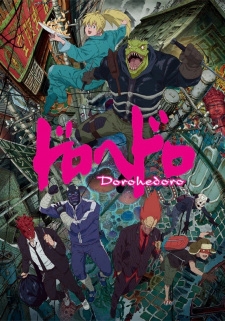
The Magic User world is brutal. Children with weak magic get thrown away. Devils treat everyone like toys. The Hole's humans get experimented on for fun. In the middle of all this carnage, the En Family stands out as an anomaly because they actually like each other. I saw some data that said the intricate found family dynamics are considered a defining highlight of the series, and that's dead on.
Most characters in Dorohedoro don't have biological families worth mentioning. Nikaido erased hers with time magic. Kaiman is a patchwork of identities. The Cross-Eyes are bound by addiction to black powder and shared trauma, not trust. But the En Family chose each other. They have dinner together. They celebrate birthdays. They get drunk and play stupid games. When En throws a tantrum and turns the living room into a mushroom forest, nobody quits. They just complain and clean it up.
This found family structure serves a practical purpose too. Magic users are paranoid by nature. Their society runs on backstabbing and power plays. The En Family survives because they don't waste energy fighting each other. While other groups are dealing with internal coups, the En Family is coordinating tactics. That stability makes them the most effective organization in the Magic User world, even if they look dysfunctional from the outside.
The TV Tropes breakdown mentions how En demonstrates genuine care for his subordinates, and that's rare in this setting. He doesn't see them as tools. When Noi decides to risk her life fighting Devils instead of ascending to become one, En respects her choice even though it costs him his strongest healer. When Fujita fails repeatedly, En keeps giving him chances because he sees the kid's determination. That's not good business sense in a criminal organization, but it's good family sense.
Why the Hierarchy Actually Works
The En Family hierarchy isn't just about who can kill who. It's about function and trust. En makes the big decisions because he's the strongest and smartest, but he delegates based on capability rather than fear. Shin handles the violence because he's good at it and detached enough not to enjoy it too much. Noi handles healing and heavy combat because she's the only one strong enough for both. Turkey manages the household because she cares about domestic comfort. Everyone has a role that fits their personality, not just their power level.
This setup survives crisis after crisis because it's flexible. When En gets turned into mushrooms and spread across the city, the family doesn't collapse into a power struggle. Shin steps up as the tactical leader because he's the most experienced, not because he demands the title. Noi becomes the heavy hitter without trying to take over. Fujita and Ebisu step up their game because they have to protect the family. The hierarchy adapts to the situation without anyone needing to assert dominance.
Contrast this with the Cross-Eyes Gang, where the hierarchy is based entirely on who has the most black powder and who can intimidate the others. The Cross-Eyes fall apart the moment their leader shows weakness because their bonds are transactional. The En Family bonds are emotional. They fight harder because they're protecting something real, not just a paycheck or a drug supply.
The Weird Ones at the Bottom
Fujita and Ebisu deserve special mention because they prove the En Family hierarchy isn't pure meritocracy. By any logical standard, Fujita should have been fired or killed years ago. He's weak, impulsive, and constantly gets in over his head. Ebisu is a liability in combat, transforms into a reptile at inconvenient times, and has the survival instincts of a lemming. In any other organization, they'd be dead or exiled.
But En keeps them around because he recognizes something important. Fujita has heart. The kid never gives up, even when facing enemies who could squash him like a bug. That persistence pays off during the final battle when Fujita's determination to save the mushroom guy's little demon actually changes the outcome. Ebisu provides something the family needs without knowing it. She's comic relief, yeah, but she's also innocence in a group of killers. Her weird lizard magic ends up being crucial multiple times, and her simple joy at being included keeps the family grounded.
They're at the bottom of the totem pole, getting yelled at by Shin and teased by Noi, but they're still at the dinner table every night. That inclusion is what makes the En Family feel real. They don't discard their weak members. They train them, protect them, and let them contribute in their own weird ways.
Devils and the Cost of Power
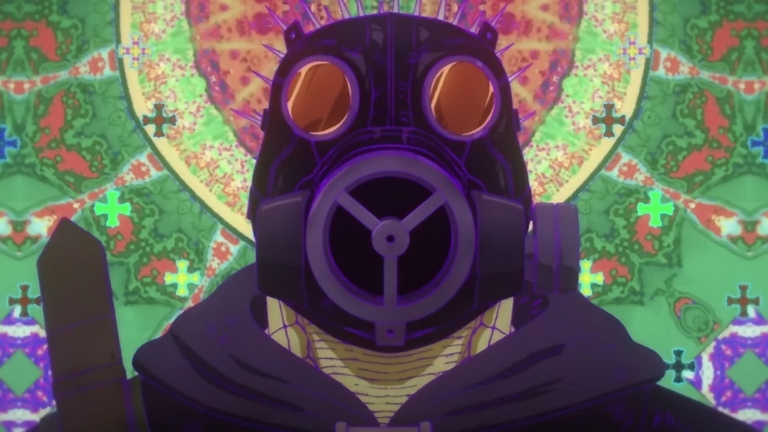
Noi's backstory adds another layer to the family dynamics. She was offered the chance to become a Devil, to ascend to that highest tier of the hierarchy where magic users become nearly godlike beings. Most sorcerers would kill for that opportunity. Devils are the top of the food chain, treated like royalty and feared by everyone. Noi turned it down to stay with Shin and the family.
That decision defines the En Family's values. Noi chose loyalty over power. She chose her found family over biological advancement. The Devils couldn't understand it, but En did. He didn't punish her for refusing the promotion. He kept her on as his top Cleaner, respecting her choice even though it meant losing his most powerful asset to potential godhood.
This rejection of the standard Magic User hierarchy, where power is the only metric that matters, sets the En Family apart from every other group in the series. They value the person over the power level. They care about compatibility over capability. That's why they work together so effectively. Noi's healing isn't just a utility. It's an expression of her desire to protect her family. Shin's dismemberment magic isn't just violence. It's precision work to keep the family safe.
Surviving the End of the World
When Hole itself, that genocidal consciousness made of mud and corpses, decides to wipe out all magic users, the En Family doesn't scatter. They hole up in their mansion and fight back together. The hierarchy shifts into survival mode instantly. En coordinates from the center. Shin and Noi handle the heavy combat. Fujita and Ebisu run support and handle the weird magical logistics. Turkey keeps everyone fed and bandaged.
They survive where other groups fall because they trust each other completely. Shin doesn't hesitate to follow En's orders even when they sound crazy. Noi doesn't abandon her post to chase personal glory. Fujita doesn't panic and run away even though he's terrified. They've built something worth dying for, and that makes them fight harder than any black powder addiction or fear of punishment ever could.
The Reddit discussion about the series highlights how the team formations and character groupings in the final arc worked so well, and that's because the hierarchy had been established over years of shared meals and missions. They know each other's rhythms. They know who goes left and who goes right without talking about it.
What Other Stories Get Wrong
A lot of anime and manga try to do the found family thing with criminal organizations, but they usually mess it up by making the betrayal inevitable. Someone always turns out to be a traitor. The boss always turns out to be abusive. The family dissolves in blood and regret. Dorohedoro avoids that trap. The En Family stays solid through the whole story.
Even when members disagree, even when Shin argues with En about tactics or Noi ignores orders to heal someone, it's not betrayal. It's family drama. They yell, they sulk, they maybe throw a fork or two, but they don't stab each other in the back. Apparently the series title references going from mud to mud, this cycle of violence and rebirth, but the En Family breaks that cycle by refusing to turn on each other.
Other stories also tend to make the hierarchy rigid and oppressive. The boss is a tyrant, the subordinates are slaves. The En Family hierarchy is more like a sports team where the captain is also your weird uncle who grows mushrooms in the basement. There's respect, yeah, but it's earned through care and protection, not fear.
The Quiet Moments Matter Most
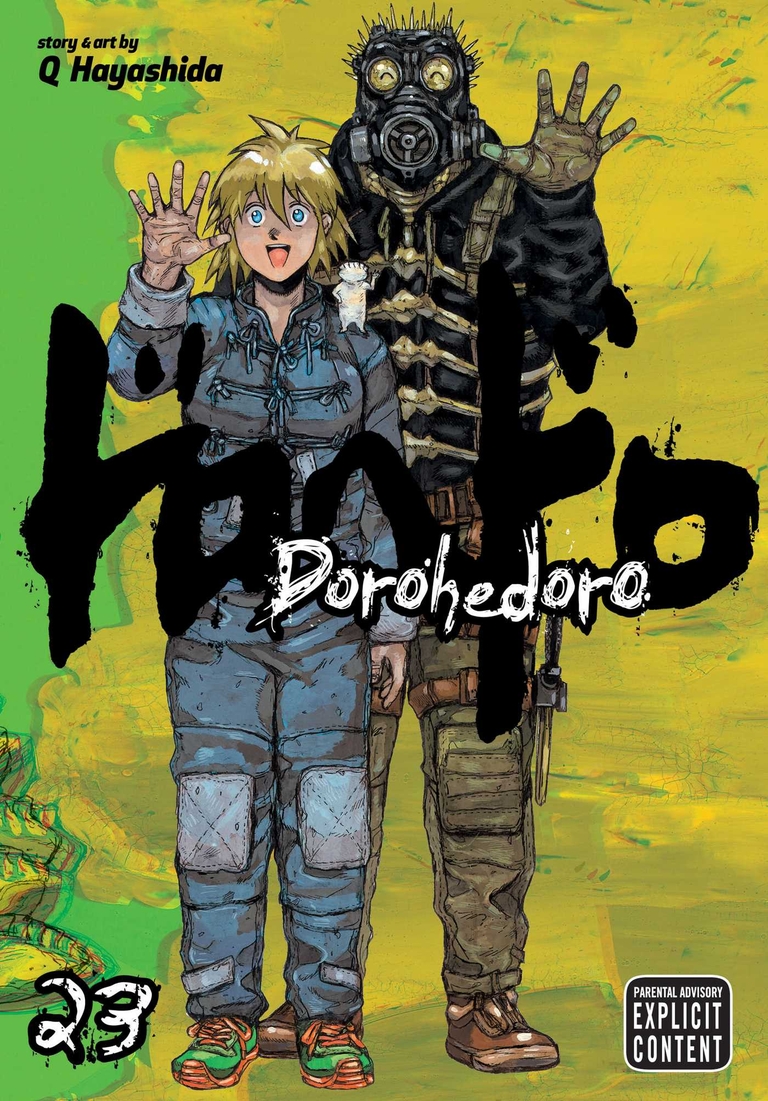
The best parts of the En Family dynamics aren't the fight scenes. They're the quiet moments between missions. Fujita and Ebisu playing video games. Turkey scolding everyone for not eating breakfast. Noi teasing Shin about his mask. En obsessing over mushroom recipes. These mundane interactions make the violence meaningful because you understand what they're fighting to protect.
The hierarchy softens in these moments too. Shin stops being the terrifying Cleaner and becomes the guy who complains about the coffee. En stops being the mushroom tyrant and becomes the father figure checking on everyone's emotional state. The power levels don't matter when you're sitting around a dinner table arguing about who ate the last piece of meat.
These scenes also establish why the family works as an organization. They know each other as people, not just as magic abilities. When they're in combat, that knowledge becomes tactical advantage. Shin knows exactly how Noi moves. Fujita knows when Ebisu is about to panic. En knows how to position everyone for maximum effect because he pays attention to their personalities, not just their stats.
The Final Verdict on En Family Dynamics
The En Family in Dorohedoro works because it rejects the cynical idea that power must corrupt and that criminals can't love each other. They've built something solid in a world that's falling apart. The hierarchy exists to keep them organized, not to keep them oppressed. The dynamics are messy and violent and weird, but they're genuine.
When the story ends and the dust settles, the family is still together. They survived the apocalypse, the Devils, the Cross-Eyes, and Hole itself because they had each other's backs. That's the real magic of the En Family. Not the mushroom smoke or the healing abilities or the dismemberment hammers. Just the simple fact that they chose to be family, and they stuck with that choice when everything else went to hell.
Q. Hayashida didn't just create a cool group of characters. She created a blueprint for how found family should work in fiction. You don't need tragic backstories that get resolved through betrayal. You don't need power struggles and coups. You just need people who care about each other enough to clean up the mushroom messes and fight the world together. The En Family dynamics and character hierarchy prove that even in the muddiest, bloodiest story, there's room for loyalty that lasts.
Frequently Asked Questions
How does En maintain authority over such powerful subordinates?
En leads through a mix of overwhelming power and genuine paternal care. He makes the big decisions and handles the organization's business, but he also looks after his subordinates' emotional wellbeing and gives them second chances when they fail. He's more like a strict dad than a tyrannical boss.
What is the relationship between Shin and Noi?
Shin and Noi are partners with a deep bond built on childhood friendship and mutual respect. Noi is actually stronger than Shin and could have become a Devil, but she chose to stay as his partner. They work together seamlessly in combat and obviously care about each other beyond just professional obligation.
Why does En keep weak members like Fujita and Ebisu around?
Fujita is weak by magic user standards and Ebisu has unreliable magic that often turns her into a reptile, but En keeps them because he values loyalty and persistence over raw power. They serve as the family's underdogs and provide essential support during the final battles, proving that weakness doesn't mean uselessness.
How is the En Family different from other groups in Dorohedoro?
Unlike the Cross-Eyes who are bound by addiction to black powder and fear, or other magic users who backstab each other for power, the En Family genuinely cares for each other. They live together, eat together, and fight to protect each other rather than for personal gain.
What is the hierarchy within the En Family?
The hierarchy is functional rather than oppressive. En commands, Shin and Noi handle combat as senior Cleaners, while Fujita and Ebisu handle support missions. However, during crises, the structure becomes flexible with everyone contributing based on the situation rather than rigid rank.