
The Strongest Sage With The Weakest Crest Is Not Isekai
The Strongest Sage with the Weakest Crest gets shelved next to isekai shows on every streaming site out there but here's the thing that bugs me every time I see it in that category. It isn't really isekai. Not in the strict sense. The protagonist doesn't get hit by a truck or sucked through a magic portal to another dimension. He just wakes up thousands of years in the future of his own world. Same planet, different era. No parallel universes involved.
People throw the isekai label on anything with RPG mechanics and an overpowered protagonist these days. Mathias Hildesheimer, formerly known as Gaius, reincarnates himself on purpose to grab a better magical crest. That's the whole hook. He seals his soul, dies, and pops back up in the future. No otherworldly travel involved. Just time. Lots of it.
But try telling that to Crunchyroll or any anime database. They list it right alongside Mushoku Tensei and Re:Zero. The marketing teams know what sells. It looks like isekai, it smells like isekai, so they call it isekai. The fans eat it up either way. Whether you want to split hairs about genre definitions depends on how much you care about the technicalities of Japanese light novel categorization. If you just want to know if it's worth watching, the label doesn't matter. But if you're pedantic about your genre tags like I am, this one grates.
Is The Strongest Sage With The Weakest Crest Isekai By Definition
The word isekai literally means different world. That's it. That's the whole definition. A protagonist starts in our world, or a world like ours, then gets transported to a fantasy world. Sometimes they die first. Sometimes they just get sucked through a portal. The key element is the crossing of worlds. You go from Point A reality to Point B reality.
Reincarnation stories muddy the waters. If you die in Tokyo and wake up as a baby in a fantasy land with magic and dragons, that's isekai. You crossed over. Your soul migrated. But if you die in a fantasy world and wake up in the same fantasy world just several thousand years later, that's just reincarnation fantasy or time travel fantasy. It's a subtle difference that determines whether you're browsing the right tag on Novel Updates or getting into arguments on Reddit about genre boundaries.
The Strongest Sage with the Weakest Crest falls into this weird gray area where the protagonist never leaves his original reality. Mathias was the strongest sage in the ancient civilization. He had the First Crest, which was great for making magic items and support spells but terrible for actual combat. He wanted the Fourth Crest specifically for fighting. So he killed himself and set a spell to resurrect him in the future when someone with that crest would be born. He didn't go anywhere new. He just took a really long nap in his own world.
The Four Crests and Why History Got It Wrong
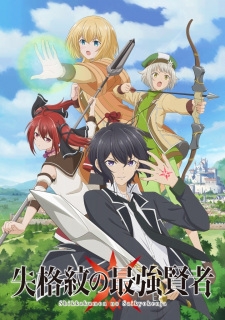
The magic system in this show revolves around these birthmark-like things called Crests. Everyone gets one of four types engraved on their hand when they're born. In Mathias's original timeline, people knew what these meant and trained accordingly.
The First Crest, also called the Crest of Creation, makes you great at support magic, enchanting, and creating magical items. It's a production class. The Second Crest gives you slow but powerful long-range magical attacks like artillery. The Third Crest lets you spam rapid-fire magic at lower power, great for crowd control. The Fourth Crest, the one Mathias wanted, specializes in close combat with short-range barriers, detection magic, and efficient mana usage. It's the fighter class that requires getting up close and personal.
Here's where the story gets its political intrigue. When Mathias wakes up thousands of years later, everything is backwards. The First Crest is now called the Crest of Glory and gets treated like the best one, given to nobles and pampered students. The Fourth Crest is called the Crest of Failure and people think it's trash fit only for commoners and losers. Mathias realizes immediately that demons survived the ancient war and spent millennia manipulating human society through infiltrating academies and churches. They spread bad information about which Crests are good, crippling humanity's combat potential on purpose.
This setup is solid when you think about it. It gives Mathias a reason to be underestimated while being secretly broken. He has the "weakest" crest according to modern standards but it's actually the best for fighting demons. He also remembers all the lost magic from the ancient era. Everyone else uses incantations like they're casting spells in a video game, shouting out attack names and waving their hands. Mathias casts wordlessly because he knows the real theory behind the magic. He understands that incanted casting is less efficient and leaves you vulnerable.
Why Everyone Calls It Isekai Anyway
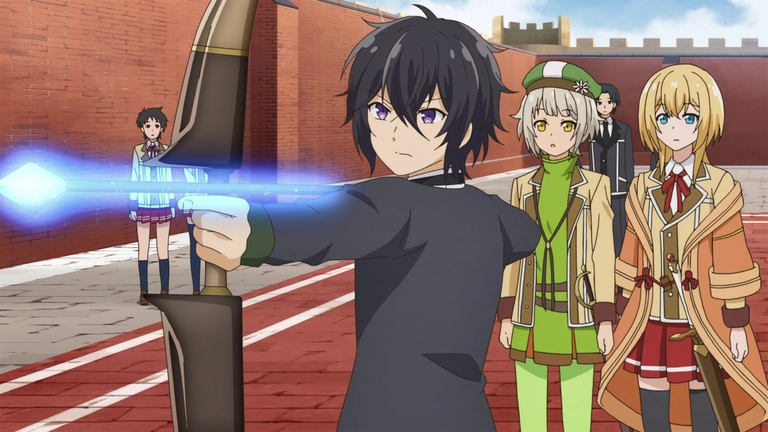
So if it's not technically isekai, why does every site from Crunchyroll to random anime blogs label it that way? The answer is simple. It hits all the same beats as isekai. Mathias arrives in a world where he knows more than everyone else combined. He corrects their misconceptions about magic constantly. He gathers a party of cute girls who admire his strength and follow him around. He fights demons that are secretly controlling society from the shadows. It's the power fantasy template that drives the genre forward.
The RPG mechanics seal the deal for most viewers. Characters talk about levels and monster classifications openly. They use terms like Calamity Class to describe threats. Mathias levels up by killing monsters and gets stronger through experience points. This gamification of reality is a hallmark of isekai even when the protagonist never played a video game in his life. The world operates on game logic with stats and visible progression.
There's also the fish out of water element that defines isekai. Mathias is constantly confused by how weak everyone became. He references his past life constantly and nobody questions it beyond mild curiosity. He pulls out ancient artifacts that everyone thinks are legendary national treasures. The dynamic looks identical to someone who got transported from modern Japan to Medieval Fantasy Land. The only difference is he was born on Fantasy Land the first time too. He just remembers the good old days when magic worked right.
The Anime Adaptation Problems
J.C. Staff produced the anime and they did a functional job at best, which is disappointing because they can do better. The animation is decent when it wants to be but the pacing is an absolute mess. They compressed multiple light novel volumes into twelve episodes. Stuff happens too fast. Characters accept Mathias's ridiculous abilities without question. Battles end in seconds because he's so overpowered there's no tension.
The dialogue is rough too. Mathias narrates everything constantly. He explains his magic, his motivations, the history of the world, and the plot points directly to the camera like he's reading a wiki page) aloud. There's no subtlety. No showing instead of telling. Just exposition dumps every few minutes that treat the viewer like they can't figure out what's happening.
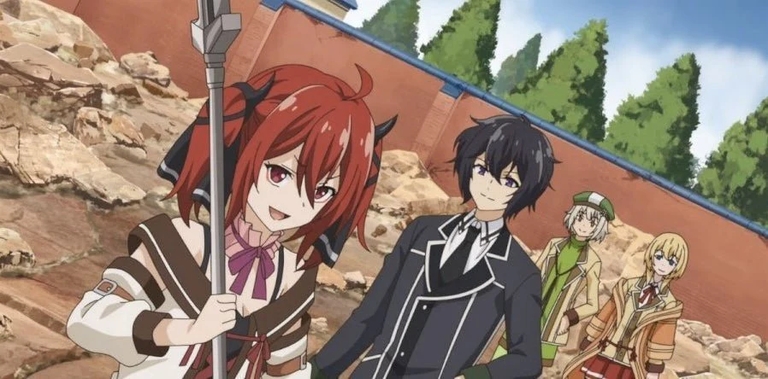
The supporting cast suffers from this speed run approach to adaptation. Lurie is the sweet childhood friend who blushes a lot and heals people. Alma is the tomboy archer who shoots things. Iris is the ancient dragon who takes human form and provides the only decent comic relief in the entire show. That's their whole depth. They exist to react to how awesome Mathias is. Iris gets a pass because she's genuinely funny when she destroys schoolyards with a single punch or eats everything in sight, but the others are cardboard cutouts with one personality trait each.
Critics on MyAnimeList and Anime-Planet consistently point out these flaws. The show is rated as generic and forgettable by most who watched it. It wastes its interesting premise on rushed storytelling and boring battles where the outcome is never in doubt. The villain demons are stupid and one-dimensional, existing only to get stomped by Mathias to show how cool he is.
The Harem Debate and Power Fantasy
Some people call this a harem anime but that's not quite right either. Mathias only has eyes for Lurie really. The other girls admire him but it's not a romantic free-for-all. It's more of a party dynamic with one designated love interest who blushes whenever he looks at her. The relationship goes nowhere though. They share some shy moments and he gives her a necklace, but it's static. No development, no real obstacles, just background noise.
The power fantasy aspect is what drives the show. Mathias is a Mary Sue. He knows everything, can do everything, and never loses. He defeats calamity class monsters in one hit. He teaches teachers at the academy. He exposes demons disguised as students immediately. There's no struggle. No growth. Just constant validation that he's the best and everyone else is an idiot for forgetting real magic.
This works for some viewers who just want to turn their brain off and watch an overpowered kid kick demon butt. It fails for anyone looking for stakes or character development. Comparisons to shows like One Punch Man fall flat because Saitama is interesting despite being overpowered. Mathias is boring because of it. He has no personality beyond correcting people's magic mistakes.
Wordless Magic and Why It Matters
One of the few interesting mechanics the show bothers to explain is the difference between wordless casting and incantation magic. In the ancient era, everyone cast silently. It was efficient, fast, and didn't telegraph your moves. Then the demons infiltrated human society and pushed incantation magic as the standard. This requires shouting spell names and taking longer to cast. It makes you weaker.
Mathias is the only one who remembers how to cast without words. This gives him a massive advantage. He can fire off spells while enemies are still reciting their attack names. He explains this to his party members and teaches them the old ways. It's a decent training montage when the show bothers to slow down enough to show it.
The problem is the anime rushes through this. In the light novels, there's more detail about how the magic theory works. The anime just has Mathias say "incantations are bad" and then everyone agrees. The visual representation of crests glowing during combat is cool though. You can see which type someone has based on the pattern on their hand.
The Demon Infiltration Plot
The demons in this series are shapeshifters who have been living among humans for generations. They corrupted the magic academies, changed the history books, and promoted the worst combat crest as the best one. Their goal was to weaken humanity so much that when demons returned openly, humans couldn't fight back.
Mathias figures this out immediately because he's not an idiot. He spots demons disguised as students and teachers within days of enrolling at the Second Academy. The show tries to build mystery around who is a demon but it's obvious to everyone watching. The bad guys smirk evilly and act suspicious constantly.
When Mathias exposes them, he kills them immediately. No trials, no negotiations, just blast them into ash. This is refreshing compared to anime where protagonists hesitate, but it also removes moral complexity. Demons are just evil and that's it. They have no motivation beyond being bad guys who want to win.
Comparison to Actual Isekai
If you want a real isekai with similar vibes, watch Mushoku Tensei. That show handles reincarnation with actual weight and character growth. The protagonist was a loser in his past life and tries to do better. Mathias was already the best and just wants to be the best again with a different build.
Overlord is another comparison point. Ainz Ooal Gown is overpowered but the show explores the implications of his power and the worldbuilding around his guild. Mathias just fixes misconceptions and beats demons. There's no exploration of what it means to outlive your civilization beyond a few comments about how the food changed.
Even something like That Time I Got Reincarnated as a Slime handles the power fantasy with more charm and side character development. The Strongest Sage feels hollow by comparison. It's checking boxes without understanding why those boxes exist.
Source Material Differences
The anime adapts the light novels which themselves adapted the web novel. The web novel had even more exposition and slower pacing. The light novels trimmed some fat. The anime cut out whole chunks of worldbuilding to fit into twelve episodes.
In the source material, the training sequences with Lurie and Alma take longer. You see them actually struggling to learn wordless casting. The anime has them pick it up in one scene. The relationship between Mathias and Iris also gets more development in the books. She's an ancient dragon who knew him in his past life, so they have history. The anime mentions this but doesn't explore the emotional weight of meeting someone from your previous era.
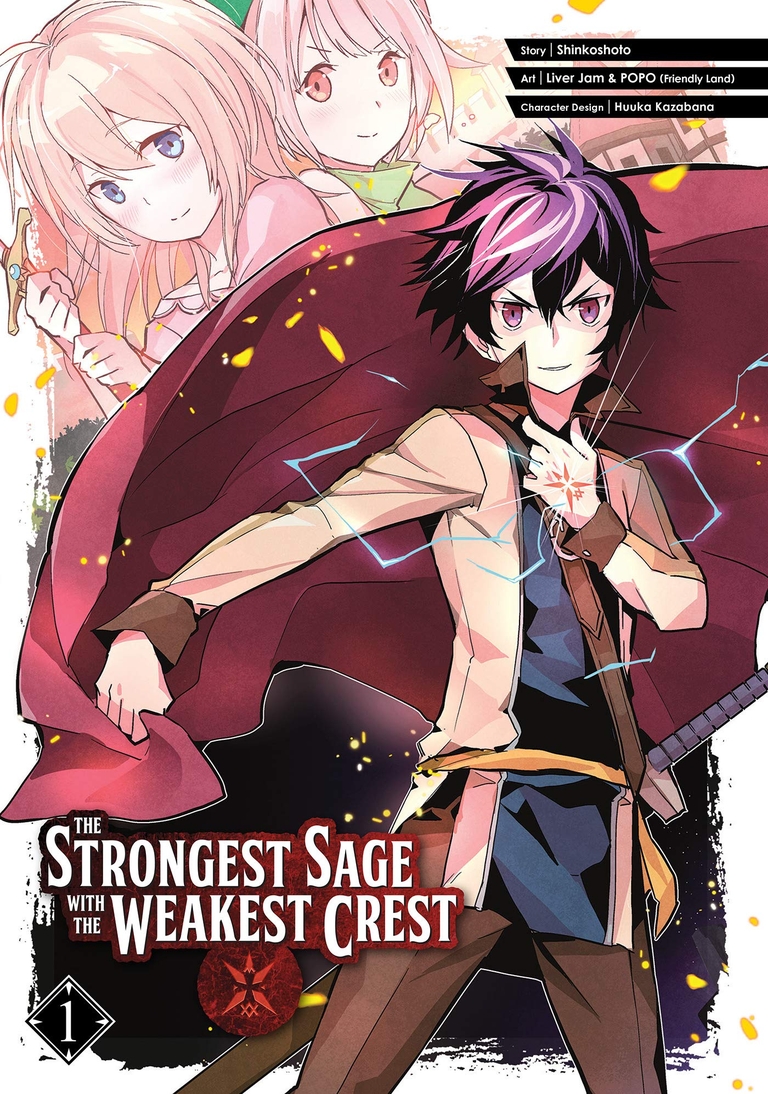
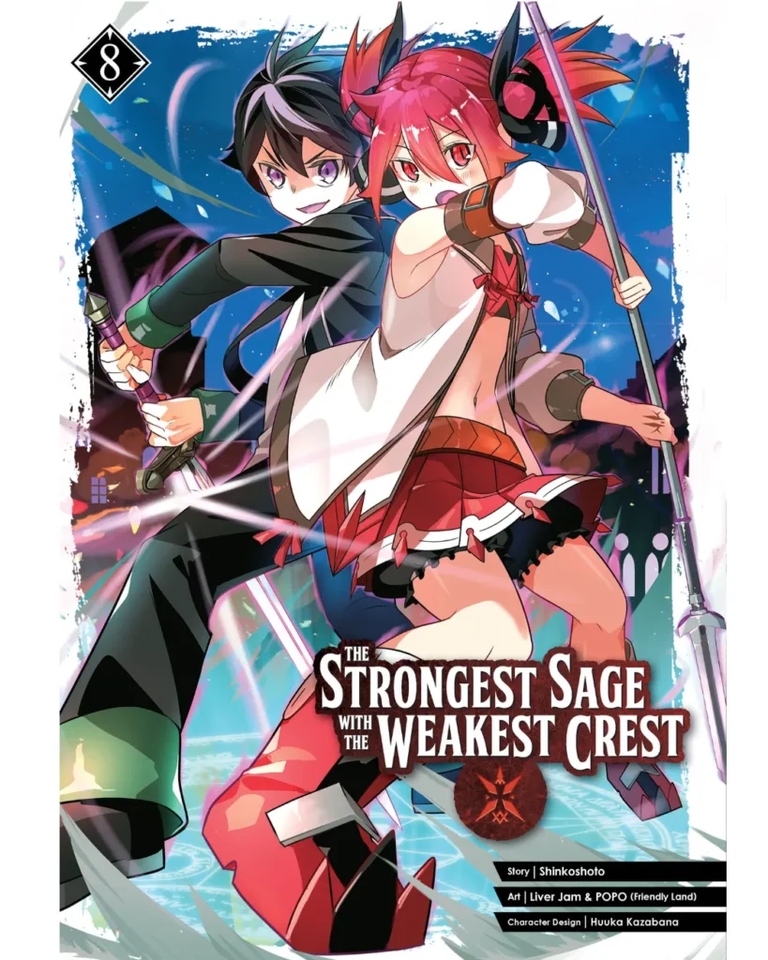
The manga adaptation by LIVER JAM&POPO is apparently more detailed than the anime too, giving side characters like Alma more to do in battles. In the anime, Mathias does everything while the girls watch.
Sound and Music
The opening and ending songs are forgettable. That's not an insult, just a fact. They sound like every other fantasy anime opening from the last five years. Epic orchestral swells during action scenes, soft piano during emotional moments. It's standard.
The voice acting is fine. Mathias sounds appropriately confident and slightly condescending. Lurie's voice is sweet and airy. Iris gets the most vocal range since she switches between serious dragon mode and hungry girl mode. The sound effects for magic are decent, with different noises for different crest types.
Who Should Watch This
Watch this if you want background noise while doing other things. It's perfect for folding laundry or grinding in a video game. You don't need to pay close attention because nothing complex happens. If you miss an episode, Mathias will explain what happened in the first minute of the next one anyway.
Don't watch this if you want your isekai to have stakes. Don't watch it if you want romance that goes anywhere. Don't watch it if you want to see characters grow from weak to strong. Mathias starts at max level and stays there.
Final Thoughts on the Genre
So where does that leave us? According to detailed analysis, the series is a time travel reincarnation story, not an isekai. The Wikipedia entry classifies it as fantasy. But walk into any anime store and you'll find it in the isekai section. It's a marketing reality that function overrides technicality.
If you're the type who gets annoyed when books are shelved wrong, this will bug you. The show lacks the cultural clash that makes isekai interesting. There's no modern knowledge being applied to medieval problems. Mathias uses ancient knowledge to fix modern problems. It's backwards isekai in a way, if you want to stretch definitions.
At the end of the day, The Strongest Sage with the Weakest Crest is a power fantasy first and foremost. The isekai label is marketing. The reincarnation label is technical. What matters is that it's a show about a guy who knows everything fixing a broken world while everyone cheers. It's simple. It's dumb sometimes. It's not going to win awards.
But it's also not offensive. It's just there. Existing. Taking up space in Crunchyroll's catalog. If you like the genre, you'll tolerate it. If you hate the genre, this won't change your mind. It's the definition of a five out of ten anime that could have been a seven if they'd slowed down and given the characters room to breathe. Call it whatever you want, just know what you're getting into.
Frequently Asked Questions
Is The Strongest Sage with the Weakest Crest isekai?
Not technically. The protagonist Mathias reincarnates thousands of years into the future of his own world, not a different dimension. He never leaves his original reality, he just time travels via magic. But it's marketed as isekai because it shares all the same tropes like RPG mechanics and overpowered protagonists.
What is the weakest crest in the anime?
The Fourth Crest, also called the Crest of Close Combat or the Crest of Failure in the modern era. It's considered weak because society forgot how to use it properly, but it's actually the best crest for fighting when combined with wordless casting.
Who is the main character?
Mathias Hildesheimer, formerly known as Gaius in his past life. He was the strongest sage in the ancient civilization who reincarnated to obtain a combat-focused crest.
Is The Strongest Sage with the Weakest Crest worth watching?
Only if you like simple power fantasies with no stakes. The animation is decent but the pacing is rushed and the characters are flat. It's good for background noise but don't expect deep storytelling or character growth.
How many episodes is the anime?
Twelve episodes. The anime covers multiple light novel volumes in that short run, which is why the pacing feels compressed and rushed.