
The Sword of Damocles Explained for K Project Fans
Most people who watch K Project think the Sword of Damocles is just a visual effect. They see Mikoto Suoh surrounded by red fire with a big crystal blade floating over him and they think, "That looks cool." They're not wrong, but they're missing the entire point of the series. The sword isn't decoration. It's a countdown timer. The anime takes an ancient Greek warning about power and makes it literal. If that sword breaks, everyone dies. The Sword of Damocles explained properly means understanding that these characters aren't just superheroes. They're walking nuclear reactors held together by stress and willpower.
The story starts with a guy named Damocles who didn't understand power, and it ends with Kings who understand it too well. You can't watch this anime without grasping that central idea. Every fight scene, every dramatic pause, every moment where a King looks up at the sky with worry, it's all about that blade.
Where the Myth Actually Came From
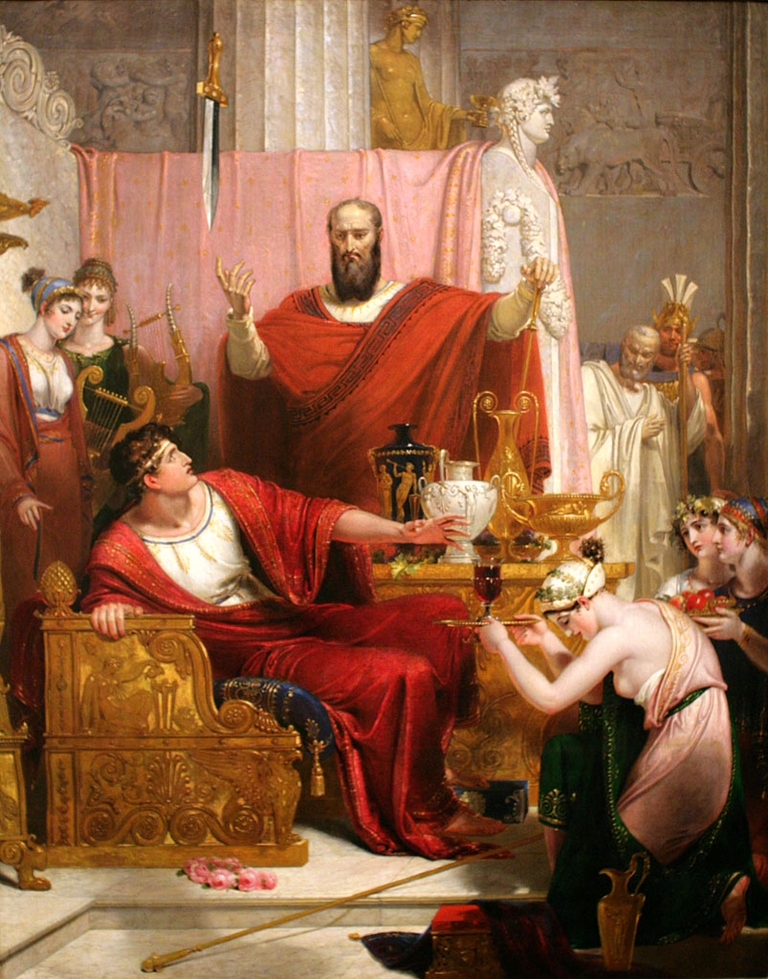
Before you can understand why Mikoto looks stressed all the time, you need to know about a courtier from Syracuse in the 4th century BC. The Roman writer Cicero told this story in his book Tusculan Disputations. Damocles was this guy who hung around King Dionysius II and kept telling him how great it must be to be king. All that luxury, all that power, total happiness. Dionysius got tired of hearing it, so he offered to switch places for a day. Damocles jumped at the chance.
They set up a huge feast with gold couches and servants and all the best food. Damocles was living it up until he looked up. Right above his head, tied to the ceiling by a single strand of horsehair, was a sharp sword pointing straight down at him. He froze. He couldn't enjoy the food, the music, or the wine because he knew that hair could snap at any second. He begged Dionysius to let him leave. He finally got it. Power isn't fun. It's terrifying. Ancient Greek origins
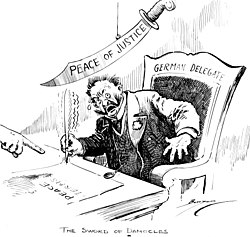
Cicero used this to argue that people in charge are constantly afraid. Death hangs over them constantly. They can't relax. This isn't just an old story. President Kennedy gave a speech to the UN in 1961 where he said every person on earth lived under a "nuclear sword of Damocles, hanging by the slenderest of threads." Cold War context That's the same anxiety the Kings feel.
How K Project Turned Anxiety Into a Weapon
In the anime, when a King draws on their power, a massive sword appears floating above their head. It's not solid metal. It's made of their aura, their Sanzu Waters, that weird supernatural energy that the Dresden Slate gives them. It glows with their clan color. Red for HOMRA, Blue for Scepter 4, Silver for the Silver King, and so on. But this isn't a halo. It's a threat.
The series explains that the sword represents the King's authority, sure, but more importantly it represents their limit. Every time they use their powers, they strain the sword. The more they fight, the more cracks appear in the blade. If they push too hard, the sword falls. This is called Damocles Down.
When a sword falls, it doesn't just disappear. It crashes into the ground like a meteor and explodes. The previous Red King caused the Kagutsu Crater that destroyed a huge chunk of Japan. That's why the current Kings are so dangerous. They're walking around with nukes suspended over their heads by literal threads of their own sanity.
Why the Horsehair Matters
In the original myth, it was a horsehair holding the sword. Horsehair is strong but it's thin. It can snap without warning. The anime keeps this energy. A King's control is that horsehair. Mikoto Suoh's thread was fraying for the whole first season. You could see the cracks in his sword getting bigger every time he fought. He knew he was going to drop that thing eventually. It wasn't a question of if, but when.
The visual is perfect because you don't need a lecture to understand it. A giant blade held by a thread? That's obviously bad. When you see hairline fractures spreading across the Red King's blade during the final fight, you feel the tension in your gut. You know the clock is ticking. You don't need someone to scream "His Weismann level is rising!" to understand that a broken sword means death.
The Seven Swords and What They Look Like
Each King's sword looks different because it reflects their personality and their clan's vibe. The design tells you everything about how they rule.
The Red King's sword looks like it's made of burning crystal. It's jagged, aggressive, and unstable. Mikoto's was cracked and damaged because he was fighting his own nature, burning too hot, refusing to cool down. Anna's sword, when she becomes King later, is more refined but still red and dangerous, smaller but intense.
The Blue King's sword is huge and disciplined. It looks like a massive executioner's blade made of ice and order. Reisi Munakata carries this thing that looks like it could chop a building in half, and he keeps it pristine through pure military discipline. But even his starts cracking when the pressure gets too high and he's forced to fight dirty.
The Silver King's sword is weird because Adolf K. Weismann is immortal. His sword just hangs there, massive and untouchable, glowing with that eerie silver light. It doesn't seem to degrade because he doesn't age, but it's still there, a reminder that even eternity has its price. He's been carrying that weight for decades.
The Gold King had the most stable one because he was the first and the strongest, a huge broadsword that looked like it could hold up the sky itself, but even he had limits. The Green King's sword was tricky and hidden, fitting his sneaky style, a blade that didn't announce itself until it was too late. The Colorless King didn't even have a solid identity, so his sword was all over the place, shifting and unstable.
Weismann Levels and the Science of Breaking
The anime throws around the term Weismann level like it means something technical, but it's really just a measurement of how close the sword is to snapping. Think of it like a stress meter. Normal humans don't have this problem. They can punch walls or run fast without manifesting a giant sword of doom. But Kings aren't normal.
When a King pushes their powers, maybe to shield someone from an explosion or to fight another King, their level rises. The Dresden Slate gives them incredible abilities, but it also ties them to that blade. The Slate doesn't care about collateral damage. It just grants power. The sword is the safety limiter, and it's a terrible one because it kills the user and everyone nearby if it fails.
Mikoto spent the entire first season running at max level. His sword looked like a windshield that had been hit with a hammer. Cracks everywhere. Pieces missing. Every time he roared and threw fire, you could see the sword get worse. That's why Munakata kept trying to arrest him. It wasn't just about the law. Munakata knew that if Mikoto sneezed too hard, Tokyo would get a new crater.
Damocles Down Is The Worst Way To Go
When the sword finally falls, it's called Damocles Down. This is total catastrophe. The Kagutsu Crater incident killed thousands and scarred the landscape permanently. That's why Scepter 4 exists. They're not just cops. They're the guys trying to make sure Mikoto doesn't accidentally level the city block.
Mikoto's whole arc in season one is him accepting that he's going to die. He knows his sword is too damaged. He fights Munakata not because he wants to win, but because he needs to be stopped before he drops his sword on the city. Munakata is trying to save him, but also trying to save everyone else. It's a messed up situation. If Munakata kills Mikoto, the sword might still fall depending on how the energy disperses. If Mikoto lives, the sword definitely falls eventually.
The anime doesn't shy away from showing that power has a cost. You don't get to be a King and be happy. You get to be a King and be scared. When Mikoto finally lets go, when he accepts his fate and fights for the last time, his sword is barely holding together. It's painful to watch because you know it's not going to end well.
Why Only Kings Can See the Truth
There's this detail in the show where regular people can't see the swords unless the King makes them visible or unless there's a massive energy surge. This fits the metaphor perfectly. Regular folks look at Kings and see the luxury, the nice clothes, the fancy headquarters, the authority. They see HOMRA hanging out in a bar having a good time or Scepter 4 looking sharp in their uniforms. They don't see the sword.
But other Kings see it immediately. When Munakata looks at Mikoto, he sees that cracked blade hovering there like a warning label. He sees the stress, the inevitable destruction. That's why the Kings have this weird respect for each other even when they're enemies. They know what it's like. They live with that same dread.
It's like that Reddit post I saw about the Mr. Robot reference, where someone realized the phrase means living with constant disaster hanging over you. Pop culture usage The Kings in K Project are the definition of that. They can't look away from it. It's always there, even when they're drinking or laughing. Especially then.
The Modern Connection Still Hits
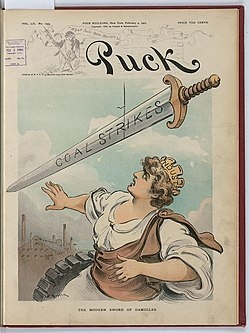
People talk about the Sword of Damocles metaphor in politics all the time. That History.com article mentions how JFK used it to talk about nuclear war, saying every human lived under that threat. The Kings in K Project are basically living that speech. They have their finger on the button 24/7. One bad day, one loss of control, and it's over.
This is why the power system in K Project is better than most anime. It isn't about friendship power or believing in yourself. It's about responsibility. Can you handle the weight of that blade? Most people can't. Damocles couldn't handle it for one dinner. These guys handle it for years, and it wears them down. You see it in their eyes. Munakata has bags under his eyes from stress. Mikoto stops sleeping. The Gold King isolates himself.
What the Anime Changes From the Myth
In the original myth, Damocles learns his lesson and leaves the throne. He chooses to give up the power to save his life. You can't do that in K Project. Once the Slate picks you, you're stuck. You can't hand the sword back. You can't abdicate. You can die, and the sword falls, or you can live and keep balancing it. There is no third option.
That makes it worse. Dionysius could have stepped down if he wanted to, probably. He chose to keep living with the sword because he valued power over peace of mind. The Kings don't get that choice. Mikoto didn't ask to be the Red King. He got chosen after the previous one dropped his sword. Now he's stuck with the bill.
The anime takes the anxiety of the myth and removes the escape hatch. In Cicero's story, the moral is that power isn't worth the stress. In K Project, the moral is that sometimes you get the power anyway, and you have to deal with the stress because the alternative is killing thousands of people. It's brutal.
Why This Symbolism Works So Well in Animation
The visual of the sword works because it's simple. You don't need a lecture to understand that a giant blade hanging by a thread is bad news. When you see cracks spreading across Mikoto's sword, you feel the tension. You know the clock is ticking. You don't need someone to explain the Weismann level in detail to understand that a broken sword means death.
The animation studio did a great job making each sword distinct. The way the Red sword shatters in slow motion during the final episodes, sending crystal shards falling like rain before the whole thing drops, it's beautiful and terrifying. The sound design helps too. When a sword appears, there's this heavy, resonant hum, like a bell that won't stop ringing. It makes your teeth hurt.
The anime uses the Greek myth perfectly. It doesn't just reference it. It lives it. Every fight scene has that blade hovering in the background, reminding you that the cool fire powers aren't free. Every time Mikoto punches someone through a wall, his sword gets another crack. The audience might forget for a second, but the characters never do. They look up constantly, checking the blade, checking the thread.
The Sword of Damocles in K Project isn't just a cool name for an attack. It's the central truth of the series. Power breeds anxiety. Leadership means living with a target on your back and a weight on your mind. The next time you watch Mikoto and Munakata fight, look up. That cracked blade isn't decoration. It's the whole story.
Frequently Asked Questions
What happens if a King's Sword of Damocles breaks in K Project?
It causes a Damocles Down. The sword crashes into the earth and explodes with enough force to destroy cities. The previous Red King caused the Kagutsu Crater this way, killing thousands.
Why does the Sword of Damocles appear above the Kings' heads?
It physically manifests the burden and limit of their power. The more they use their abilities, the more the sword cracks. It represents the constant threat that their power poses to everyone around them, just like the original Greek myth.
Is the Sword of Damocles in K Project the same as the Greek myth?
It's based on it. The myth involves a sword hanging by a horsehair representing the danger of power. The anime makes this literal, where the sword will actually fall and kill everyone if the King loses control.
Which King had the most damaged sword?
Mikoto Suoh, the Red King in season one. His sword was severely cracked throughout the series because he was pushing his powers to the limit constantly, knowing he was going to die soon.
Can a King get rid of their Sword of Damocles?
Only by dying or being killed. The sword is tied to their life and their authority as a King. It's a permanent burden they carry from the moment they accept the Dresden Slate's power. They can't quit or hand it off to someone else safely.