
Why Shin and Lena's Slow Burn Actually Works
Most anime romances are garbage. Either they dance around each other for twelve episodes until a confession in the final scene, or they hook up in episode three and spend the rest of the series having manufactured drama. 86 Eighty-Six does neither. When you're analyzing Lena and Shin's relationship, you're looking at a military sci-fi series that treats romance like it actually matters to the plot, not like some tacked-on reward for surviving the war.
The whole thing starts with Lena as a handler and Shin as a processor. She's an Alba officer in the Republic, he's an Eighty-Sixer they sent to die on the front lines. This isn't a meet-cute. It's a war crime waiting to happen. The Republic treats the 86 like livestock, and Lena starts out as one of the few officers who actually sees them as human. But seeing someone as human isn't the same as understanding them, and that's where the writing gets interesting. Shin thinks she's naive and annoying at first. He's not wrong. She comes in with these idealistic speeches about equality while he's burying his friends every week.
Their connection builds through the Para-RAID system, which lets them share senses and thoughts during combat. This is basically forced emotional intimacy. They're in each other's heads during the worst moments of their lives. Lena experiences Shin's combat trauma firsthand. She feels what it's like to be the Reaper, the guy who has to mercy-kill his friends when they get turned into Legion sheep. That changes her. It breaks something in her that needed breaking.
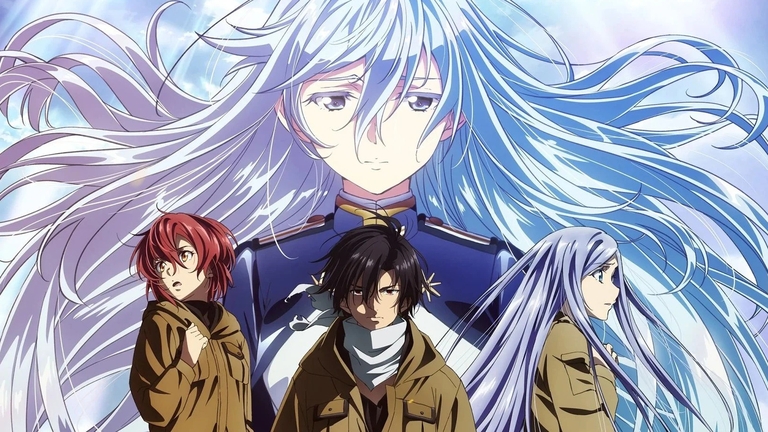
The Handler and Processor Problem
People always want to skip to the romance, but you can't understand Shin and Lena without understanding why their professional relationship matters. In the beginning, Lena is Shin's superior officer. She gives the orders. He follows them. Even though she's naive, she holds the power of life and death over him through military hierarchy.
Shin notices this imbalance immediately. He sees that she's burdened by guilt over what the Republic did to his people, even though she didn't personally do it. He also recognizes that a relationship built on her feeling sorry for him or worshipping him as some tragic hero would be broken from the start. He's been through enough abuse and loss to know that one-sided adoration doesn't fix anything.
This is why their relationship development in 86 Eighty-Six works better than most war stories. The series doesn't pretend that shared trauma automatically equals healthy romance. Shin and Lena have to figure out how to be equals first. That takes time. It takes Lena getting her hands dirty and actually fighting alongside him instead of giving orders from a safe room. It takes Shin accepting that she isn't going to abandon him like everyone else did.
The separation arc cements this. When Spearhead goes on the Special Reconnaissance Mission, it's basically a suicide assignment. Lena thinks they all die. Shin thinks she died when the Republic fell. That year apart is crucial because it lets both of them process who they are without the other. Lena hardens into the Bloodstained Queen. Shin falls deeper into his death wish. When they reunite in that field of spider lilies, they're different people, but they finally recognize each other as peers.
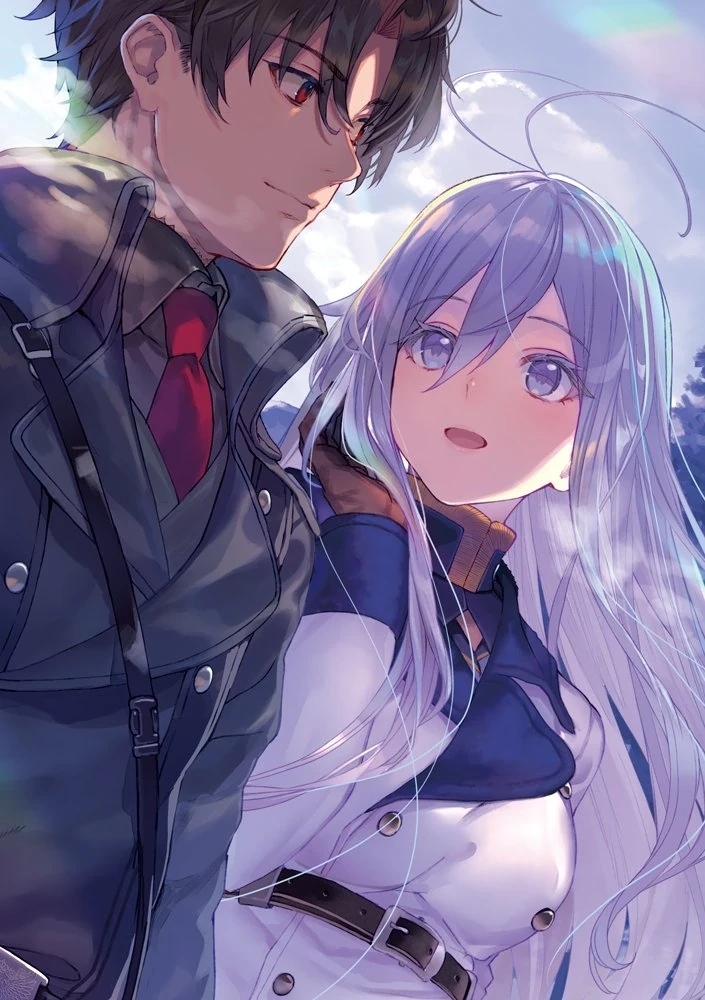
Resetting the Dynamic
Here's where the writing gets really solid. When Lena joins the Eighty-Sixth Strike Package, they don't just pick up where they left off with hand-holding and dates. They reset to a superior-subordinate relationship on duty. They use ranks and last names during operations. They keep their personal relationship separate from the chain of command.
This is weirdly mature for an anime. Most shows would have them making googly eyes at each other during briefings or compromising missions because they can't keep their hands off each other. Instead, Shin and Lena acknowledge that they're attracted to each other, agree it complicates things, and decide to deal with it like adults. They use first names in private, ranks in public.
Frederica calls Shin out on his feelings constantly. Theo calls them a troublesome pair. Everyone in the squadron knows Shin is in love with Lena before Shin is willing to admit it fully. But he doesn't act on it immediately because he knows the stakes. If he dies, it destroys her. If she dies, it destroys him. In a war where people die daily, starting a romance means accepting that pain.
Shin's primary motivation throughout the middle volumes becomes showing Lena the sea. It's not just a date idea. It represents a future. Shin has been living without a future for years. He was just waiting to die so he could join his brother and his dead friends. Lena gives him something to survive for. The sea is symbolic, yeah, but it's also just a place he wants to share with her. A place where they aren't fighting.

The Slow Burn Timeline
If you only watched the anime, you might think their romance is just subtext and chemistry. The light novels take it further, but slowly. Volumes 4 through 6 are pure buildup. You get scenes like Lena covering Shin with a blanket while he's sleeping, or Shin catching her when she almost falls while ice skating. Small touches. Looks that last too long. Them realizing they're the only people who truly understand each other.
By the end of Volume 6, they both know they're in love. Neither says it. It's frustrating but realistic. These are two emotionally stunted people who have survived by closing themselves off. Shin because he lost everyone he cared about. Lena because she was isolated by her intelligence and then traumatized by the war.
Volume 7 is where it breaks open. During a fireworks display in the Alliance of Wald, Shin confesses. Lena panics and kisses him, then runs away without answering verbally. It's messy. It's awkward. They spend a month avoiding each other because they don't know how to handle what happened. This isn't a clean confession scene with orchestral music and crying. It's two soldiers who don't know how to be vulnerable.
Volume 8 gives us Shin's response to that kiss. He corners her on the Stella Maris and gives her a "payback" kiss that lasts several pages. He's teasing her, but he's also serious. He tells her to answer when she's ready. No pressure. No ultimatum.
Volume 9 is when they finally make it official. After a mission where Shin goes missing and Lena nearly breaks down, they sit down and actually talk. Lena confesses properly. They kiss again, for real this time, not running away after. The Valkyrie Has Landed mission becomes their confirmation that they're choosing to stay together.
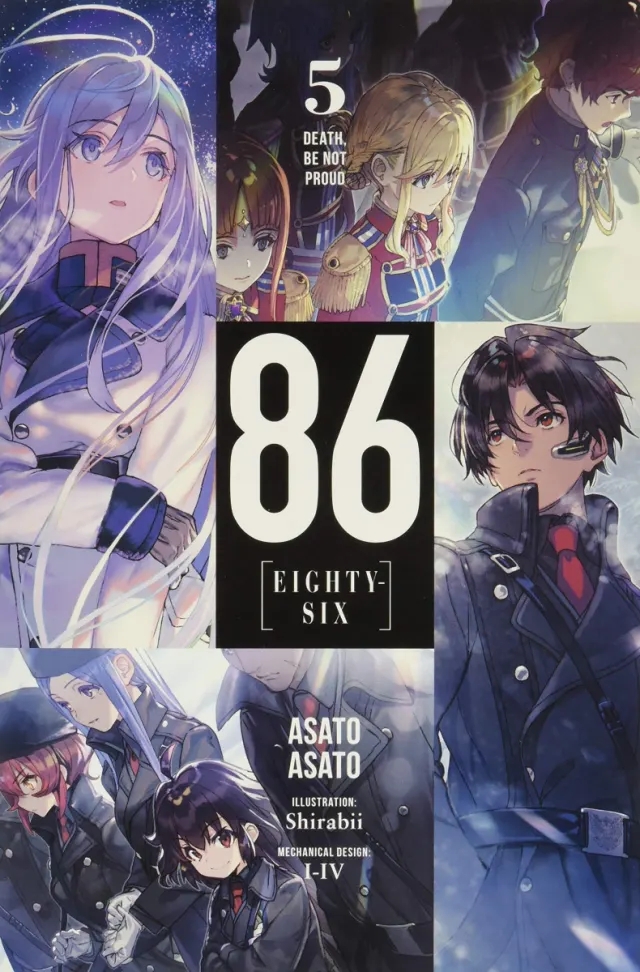
Why This Matters for Character Growth
Shin and Lena's relationship isn't just shipping fodder. It's the engine that drives their character arcs. Shin starts the series as a guy who wants to die. He's carrying the voices of the dead in his head, literally, because of his para-RAID connection to the Legion. He thinks his only purpose is to find his brother's body and then die himself.
Lena starts as someone who thinks good intentions are enough. She learns they aren't. She learns that pity is insulting and that she has to fight beside the 86, not just give them orders. Her relationship with Shin forces her to become competent. Not just as a tactician, but as someone who can hold the emotional weight of the war without breaking.
They fix each other's blind spots. Shin is so focused on death that he can't imagine a future. Lena is so focused on saving everyone that she doesn't understand when sacrifice is necessary. Together, they balance out. She gives him hope. He gives her perspective.
The series gets criticized sometimes for being slow, but that's the point. A romance between a handler and her processor, between an oppressor class and an oppressed class, between two people who have watched everyone they love die, can't be rushed. If they got together in episode five, it would feel cheap. It would feel like the war didn't matter.
Instead, their relationship is earned through hundreds of conversations, through shared nightmares, through Lena learning to command respect on the battlefield, and through Shin learning that surviving isn't betrayal of the dead. When they finally kiss in Volume 7, it hits harder than a hundred confession scenes from other anime because you watched them crawl through hell to get there.
The Sea and What It Means
I keep coming back to the sea because it's the perfect summary of their relationship. Shin wants to show Lena the sea because it's the one thing he can give her that isn't stained by war. The 86 were born in concentration camps, raised to fight, and expected to die before they turned twenty. Most of them have never seen the ocean. It's a symbol of freedom, sure, but it's also just something beautiful he wants to share.
Lena doesn't care about the sea specifically. She cares that Shin has something he wants to share with her. That he has a future he wants to build. For a guy who spent years carrying his brother's death wish and the ghosts of his squadron, wanting to take a girl to the beach is revolutionary. It's an act of hope.
That's why analyzing their relationship in 86 Eighty-Six reveals something rare in anime. It's not about two hot people who look good together. It's about two broken people who choose to heal each other slowly, carefully, while the world burns around them. They don't let their feelings compromise their duties as soldiers, but they don't suppress their humanity either. They find a way to be professionals and partners at the same time.
The series ends with them together, but still fighting. Still separated sometimes by military necessity. Still dealing with the trauma of what they've done and seen. There's no magical cure, no "power of love" solves everything ending. Just two people who decided that facing the future together is better than facing it alone. That's enough. That's more than most stories give us.
Frequently Asked Questions
When do Shin and Lena officially get together?
They don't officially become a couple until Volume 9 of the light novel, which covers events well after the anime's current ending. The anime adapts up through Volume 3, showing their reunion but not their romantic confirmation.
Why does Shin want to show Lena the sea?
He wants to show her the ocean. It's a future he can imagine with her, something beautiful outside of war. Most 86 have never seen the sea since they were trapped in the Eighty-Sixth Sector their whole lives.
What happens to their relationship when Lena becomes Shin's commander?
Lena joins the Eighty-Sixth Strike Package as his commanding officer. They agree to use ranks and last names during duty, but first names in private. This keeps their professional and personal lives separate while they figure out their feelings.
Who confesses first, Shin or Lena?
She kisses him first. During a fireworks scene in Volume 7, Shin confesses, and Lena panics and kisses him without saying anything, then runs away. He calls it a dirty move later because she avoided answering.
Is there romance in the anime or just the light novels?
Not really in the way most romance anime handle it. The first season focuses on their emotional connection through the Para-RAID system and their separation. The romantic payoff happens in later light novel volumes that haven't been animated yet.